
Pests don’t wait for an invitation, they find a crack, exploit a gap, and set up shop like they own the place. Whether it’s ants trailing through your kitchen or rodents scratching behind walls, dealing with unwanted critters becomes a top priority fast. OPC Pest Control has built a reputation for helping homeowners tackle these problems head-on with targeted treatments and comprehensive service. Understanding what they offer, how their methods work, and when to call in the pros versus handling things yourself can save time, money, and a whole lot of frustration.
Table of Contents
ToggleKey Takeaways
- OPC Pest Control uses integrated pest management (IPM) strategies that combine inspection, exclusion, and treatment to eliminate pests at the source rather than just surface-level solutions.
- Professional pest control is essential for structural pests like termites and carpenter ants, bed bugs, and large infestations where DIY methods fail or pose health risks.
- OPC Pest Control pricing ranges from $150–$400 for one-time treatments to $100–$150 per quarterly visit, with termite treatments costing $1,200–$2,500 for full perimeter protection.
- Prevention and maintenance—including sealing cracks, managing moisture, trimming vegetation, and storing food in airtight containers—are critical to keeping your home pest-free long-term.
- Proper pest identification is crucial; misidentification leads to wasted money on ineffective treatments, making professional inspection the foundation of successful pest control solutions.
What Is OPC Pest Control and Why Homeowners Choose It
OPC Pest Control is a professional pest management company serving residential and commercial properties, primarily in the Northeast U.S. They focus on integrated pest management (IPM) strategies that combine inspection, exclusion, and treatment to address infestations at the source rather than just surface symptoms.
Homeowners turn to OPC for several reasons. First, they offer comprehensive inspections that identify entry points, nesting sites, and environmental conditions that attract pests. This diagnostic approach means treatments target the actual problem, not just visible bugs. Second, their technicians are licensed and stay current with state regulations and evolving pest control methods, critical when dealing with invasive species or pesticide application near children and pets.
Another draw is their range of service plans. One-time treatments work for isolated problems, while quarterly or monthly plans provide ongoing monitoring and prevention. That consistency matters when you’re dealing with seasonal pests like stink bugs in fall or carpenter ants in spring. Reviews on platforms like Angi’s List highlight responsiveness and thoroughness, traits that set reliable pest control apart from fly-by-night operators.
Common Pest Problems OPC Pest Control Addresses
OPC handles the usual suspects and some less common invaders. Here’s what homeowners typically call them for:
- Rodents (mice and rats): These chew through wiring, insulation, and framing. A single mouse can squeeze through a gap the width of a dime (about ¼ inch). OPC uses bait stations, traps, and exclusion work, sealing entry points with steel wool, copper mesh, or caulk.
- Ants: Carpenter ants hollow out wood for nesting (though they don’t eat it like termites). Pavement ants and odorous house ants invade kitchens. Treatment involves baiting, perimeter sprays, and eliminating moisture sources.
- Termites: Subterranean termites cause billions in U.S. property damage annually. OPC offers liquid termiticides and bait station systems. Annual inspections are standard in many areas.
- Bed bugs: These require heat treatment, steam, or targeted insecticide applications. DIY attempts usually fail because eggs survive most over-the-counter sprays.
- Stinging insects: Yellow jackets, wasps, and hornets build nests in eaves, attics, and ground cavities. Removal often requires specialized equipment and protective gear, not a job for a homeowner with a can of spray and a ladder.
- Wildlife: Squirrels, raccoons, and bats require humane trapping and exclusion. Many states regulate wildlife removal, so hiring a licensed service keeps you compliant.
Identifying the pest correctly is half the battle. Misidentification leads to wasted money on ineffective treatments. For persistent bug problem solutions, proper diagnosis matters more than product choice.
How OPC Pest Control Methods Work in Your Home
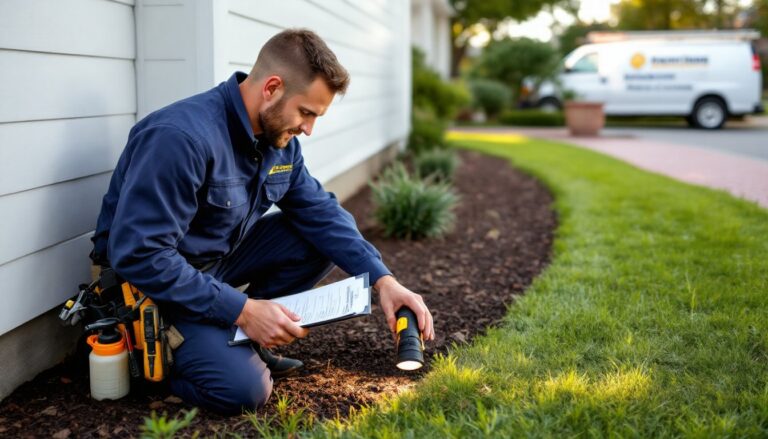
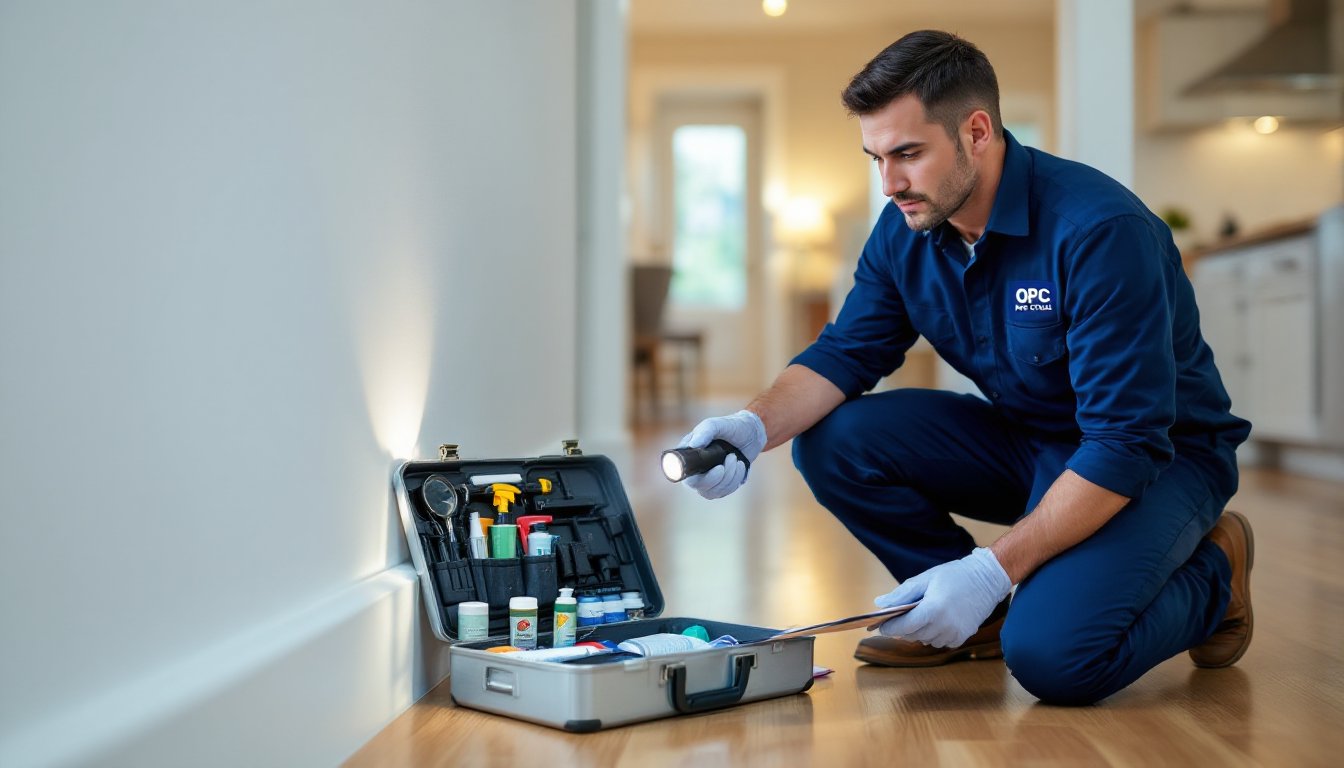
OPC’s process starts with a detailed inspection, interior, exterior, attic, crawl space, and foundation. Technicians look for droppings, damage, nests, and conditions like standing water or wood-to-soil contact that invite pests.
Once the pest and extent are identified, treatment follows an IPM approach:
- Exclusion: Sealing cracks in foundation, gaps around pipes and vents, and damaged screens. This is the most effective long-term defense.
- Sanitation and habitat modification: Removing debris, trimming vegetation away from siding, fixing leaks, and eliminating food sources. Pests need food, water, and shelter, take one away and populations drop.
- Mechanical controls: Traps, barriers, and physical removal. These are low-toxicity and effective for rodents and larger pests.
- Chemical treatments: Applied as perimeter sprays, crack-and-crevice treatments, baits, or dusts. Products vary, pyrethroids for general insects, baits with fipronil or hydramethylnon for ants and roaches, termiticides like fipronil or imidacloprid for termites. Technicians select formulations based on pest biology and site conditions.
- Follow-up: Most plans include return visits to monitor, re-treat, and adjust strategies. Pest control isn’t one-and-done.
Safety gear during treatment includes gloves and masks for technicians applying concentrated products. Homeowners should vacate treated areas per label instructions, typically 2-4 hours, and keep pets and kids away until surfaces dry.
For those exploring less chemical-intensive options, organic pest control methods integrate well with professional services, especially for preventive maintenance.
DIY vs. Professional OPC Pest Control: Making the Right Choice
Some pest problems are manageable with DIY methods. Others aren’t.
When DIY works:
- Occasional ants or spiders: Perimeter sprays with bifenthrin or deltamethrin, available at hardware stores, provide residual control for weeks.
- Mice (early stages): Snap traps baited with peanut butter, placed along walls where droppings appear. Check traps daily, wear gloves when disposing of carcasses.
- Drain flies or fruit flies: Clean drains with enzyme cleaners, remove overripe produce, use apple cider vinegar traps.
- Prevention: Caulking gaps, installing door sweeps, fixing screens, storing food in sealed containers.
When to call OPC or a similar pro:
- Structural pests: Termites and carpenter ants damage framing and require specialized equipment (soil trenching tools, high-volume sprayers, thermal imaging cameras).
- Health risks: Bed bugs, cockroaches, and rodents carry pathogens. Incomplete treatment spreads the problem.
- Reinfestation: If DIY efforts fail after two attempts, the issue is likely hidden nesting, inaccessible entry points, or misidentified pests.
- Large populations: A few ants is one thing: trails of hundreds signal a colony in the walls.
- Legal or safety concerns: Termite letters for real estate transactions, wildlife that requires permits, or pesticide applications near wells and septic systems.
DIY pest control saves money upfront but often costs more in repeat product purchases and damage if the problem persists. Professionals bring diagnostic tools, access to commercial-grade products, and liability insurance. For comprehensive coverage, many homeowners check resources like The Spruce for initial troubleshooting before deciding to hire.
Cost Considerations for OPC Pest Control Services
Pricing for pest control varies by region, pest type, property size, and service frequency. Here’s what homeowners can expect:
- One-time treatments: $150–$400 for general pests (ants, spiders, roaches) in a typical 1,500–2,500 sq ft home. Bed bug heat treatment runs $1,000–$2,500 depending on infestation severity.
- Quarterly plans: $100–$150 per visit. Most companies discount annual prepayment by 10–15%.
- Termite treatments: Liquid barriers cost $1,200–$2,500 for perimeter treatment. Bait systems run $800–$1,500 plus annual monitoring fees around $300.
- Wildlife removal: $200–$600 for trapping and exclusion, more if structural repairs (soffit replacement, chimney caps) are needed.
Prices fluctuate with material costs and labor availability. Urban areas and coastal regions skew higher. Get quotes from at least three companies and confirm what’s included, inspection, treatment, follow-up, warranty.
Warranties matter. Termite treatments often include a one-year guarantee with renewal options. General pest plans typically cover re-treatments between scheduled visits at no extra charge if pests return. Read the fine print on exclusions (some don’t cover Wood-destroying insects if you skip annual inspections).
Budget for prevention, too. Sealing a foundation crack with hydraulic cement costs $10. Replacing a $30 door sweep is cheaper than treating a mouse infestation. Investing in exclusion and sanitation reduces long-term pest control expenses. Homeowners maintaining pest control archives often save by catching problems early.
Tips for Maintaining a Pest-Free Home After Treatment
Professional treatment is just the starting point. Ongoing prevention keeps pests from coming back.
Exterior maintenance:
- Trim tree branches and shrubs at least 6 inches from siding and rooflines. Branches act as highways for ants, rodents, and squirrels.
- Clean gutters quarterly. Clogged gutters create standing water and rot, attracting mosquitoes and wood-damaging pests.
- Store firewood at least 20 feet from the house, elevated on racks. Termites and carpenter ants nest in wood piles.
- Inspect foundation annually for cracks. Seal anything wider than ⅛ inch with polyurethane or silicone caulk.
Interior habits:
- Wipe counters and sweep floors regularly. Crumbs and spills attract ants, roaches, and pantry moths.
- Store dry goods (flour, cereal, pasta) in airtight containers. Plastic bins or glass jars with gasket lids work well.
- Fix leaky faucets and pipes. Pests need water: eliminating moisture reduces attractants.
- Declutter basements and attics. Cardboard boxes and stacks of newspapers provide nesting material for rodents.
Monitoring:
- Set sticky traps in basements, garages, and under sinks. Check monthly. Increased catches signal a developing problem.
- Inspect attics and crawl spaces twice a year for droppings, nests, or damage.
- Keep landscaping mulch 12–18 inches from foundation. Mulch retains moisture and hides subterranean termite activity.
For businesses facing similar challenges, commercial pest control strategies emphasize documentation and compliance, but the prevention fundamentals, sanitation, exclusion, monitoring, stay the same.
Trusted sources like Good Housekeeping offer tested product recommendations for traps, deterrents, and cleaning supplies that support integrated pest management between professional visits.
Conclusion
OPC Pest Control and similar professional services provide expertise, tools, and products that most homeowners don’t have on hand. They’re the right call for structural pests, health hazards, and stubborn infestations that DIY methods can’t crack. That said, prevention and maintenance fall squarely on the homeowner. Seal gaps, manage moisture, and stay vigilant. A proactive approach keeps pests from gaining a foothold and stretches the value of professional treatments well beyond the initial visit.