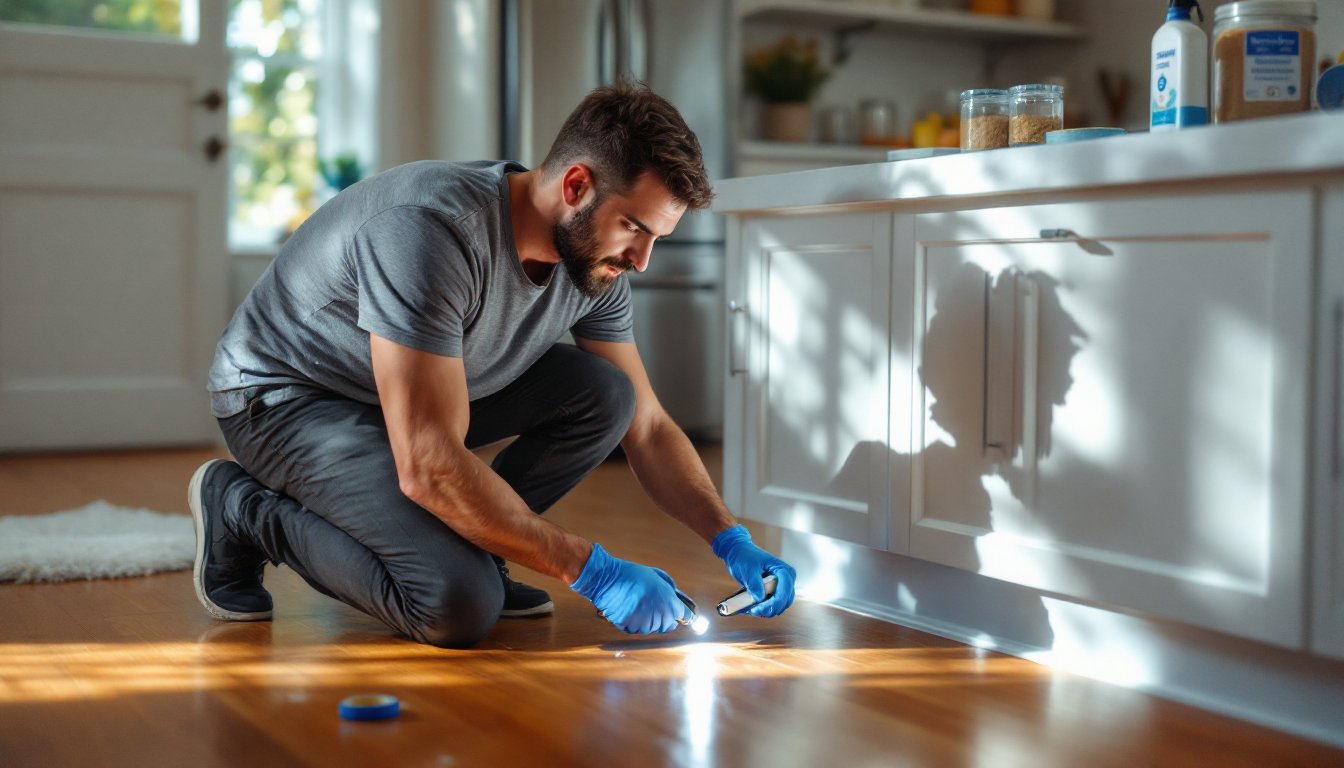

Dealing with household pests isn’t just unpleasant, it’s a maintenance issue that affects your home’s value and livability. Whether you’re spotting ants trailing through your kitchen, hearing the telltale rustle of roaches at night, or finding mystery bites on your skin, getting ahead of an infestation requires a methodical approach. Debug pest control isn’t about temporary fixes or panic-spraying aerosols into corners: it’s about understanding what you’re dealing with, choosing the right tools and treatments, and preventing re-entry. This guide walks through identification, proven elimination methods, and prevention tactics that actually work in 2026.
Table of Contents
ToggleKey Takeaways
- Debug pest control is a systematic, ongoing maintenance process that involves identifying pests, eliminating breeding sites, and sealing entry points to prevent re-infestation.
- Proper pest identification is critical: ants, roaches, spiders, and pantry pests require different treatment approaches, while bed bugs and termites always demand professional intervention.
- Natural solutions like food-grade diatomaceous earth, boric acid baits, and essential oil sprays work best for light infestations and prevention, but chemical treatments deliver faster results for moderate to severe problems.
- Prevention accounts for 80% of effective debug pest control—seal entry points, manage moisture, eliminate food sources, and conduct regular monitoring to stop infestations before they start.
- Sanitation is non-negotiable: wipe counters nightly, store food in airtight containers, fix leaks, and vacuum weekly to cut off the food and water sources that attract pests.
What Is Debug Pest Control and Why It Matters
Debug pest control refers to the systematic process of identifying, eliminating, and preventing insect infestations in residential spaces. Unlike one-off exterminator visits, it’s an ongoing maintenance practice, similar to cleaning gutters or servicing HVAC systems.
The term “debug” originates from computing (literally removing bugs from early electrical systems), but in home maintenance, it means diagnosing the pest, targeting the source, and implementing barriers to prevent re-infestation. You’re not just killing visible bugs: you’re eliminating breeding sites, sealing entry points, and disrupting their lifecycle.
Why it matters: unchecked infestations can damage structural wood (termites, carpenter ants), contaminate food supplies (pantry moths, weevils), trigger allergies (cockroach droppings, dust mites), and create health hazards. Even minor infestations escalate quickly, a few ants can become thousands in weeks if the colony isn’t addressed.
Most debug work is DIY-friendly for common household pests like ants, flies, spiders, and occasional roaches. But, termites, bed bugs, and large-scale rodent issues typically require licensed pest control professionals. Many jurisdictions require fumigation or tenting to be done by certified operators due to chemical safety regulations.
Common Household Bugs That Require Debug Control
Knowing what you’re fighting is half the battle. Here are the usual suspects and their identifying traits:
Ants: Small (1/16″ to 1/4″), often spotted in trails. Carpenter ants (larger, black) nest in wood. Odorous house ants (tiny, dark brown) smell like rotten coconut when crushed. Argentine ants form super-colonies and are nearly impossible to eliminate without bait stations.
Cockroaches: German roaches (tan, 1/2″ to 5/8″) prefer kitchens and bathrooms. American roaches (reddish-brown, 1.5″ to 2″) live in basements and crawlspaces. Both reproduce rapidly, one egg case can hold 30+ nymphs.
Spiders: Common house spiders are harmless but indicate other pest populations (they’re hunting smaller bugs). Brown recluse and black widow spiders require caution: if you see these, contact a professional.
Pantry pests: Indian meal moths, weevils, and flour beetles infest dry goods. You’ll see webbing in cereal boxes or tiny holes in pasta packaging.
Fruit flies and drain flies: Fruit flies breed in overripe produce. Drain flies (fuzzy wings, 1/8″) breed in organic buildup inside drains.
Silverfish: Wingless, carrot-shaped insects (1/2″ to 3/4″) that feed on starches, paper, and glue. They prefer damp environments like basements and bathrooms.
Bed bugs: Flat, oval, reddish-brown (1/4″), found in mattress seams and furniture joints. If you suspect bed bugs, stop DIY efforts and call a professional immediately, mishandling spreads them.
Identification drives treatment. An ant colony requires baiting and exclusion: a fruit fly problem needs sanitation and trapping. Misdiagnosing wastes time and money.
Essential Debug Pest Control Methods for DIY Homeowners
Natural Debug Solutions
Natural methods work best for light infestations, prevention, and homes with kids or pets where chemical exposure is a concern.
Diatomaceous earth (DE): Food-grade DE is a fine powder made from fossilized algae. It damages insect exoskeletons, causing dehydration. Dust it along baseboards, under appliances, and in crawlspaces. Wear a dust mask during application, DE is non-toxic but irritates lungs. Reapply after vacuuming or moisture exposure.
Boric acid: More potent than DE, boric acid disrupts insect digestive systems. Mix it with powdered sugar (3:1 boric acid to sugar) for ant and roach bait. Place in shallow bottle caps behind appliances and inside cabinets. Keep away from children and pets, while low-toxicity, ingestion causes stomach upset.
Essential oil sprays: Peppermint, tea tree, and eucalyptus oils repel many insects. Mix 10-15 drops per cup of water in a spray bottle. Spray entry points, windowsills, and problem areas. Reapply every few days, oils evaporate quickly.
Sticky traps: Non-toxic monitoring tools. Place near suspected entry points to identify pest types and traffic patterns. Particularly effective for natural pest management strategies involving spiders, silverfish, and roaches.
Sanitation: This is non-negotiable. Wipe down counters nightly, store food in airtight containers (glass or heavy plastic, not cardboard), fix leaky faucets, and take out garbage daily. Most infestations start because food and moisture are readily available.
Natural methods require patience and consistency. They won’t eliminate a heavy infestation overnight but excel at prevention and control when combined with exclusion tactics.
Chemical Debug Treatments
Chemical treatments deliver faster, more aggressive results, necessary for moderate to severe infestations.
Insecticidal sprays: Pyrethroid-based sprays (permethrin, bifenthrin, cyfluthrin) kill on contact and leave residual protection for weeks. Spray along baseboards, door frames, window casings, and foundation perimeters. Wear gloves, goggles, and a respirator, pyrethroids are toxic to fish and cats. Ventilate treated areas for at least two hours before re-entry.
Gel baits: Ant and roach gels (fipronil, hydramethylnon) are placed in small dots near trails and entry points. Insects carry bait back to the colony, poisoning others. Apply pea-sized dots every 12 inches along problem areas. Keep baits away from surfaces where food is prepared.
Granular baits: Outdoor perimeter treatment. Spread granules (like bifenthrin or lambda-cyhalothrin) in a 3-foot band around the foundation. Water lightly to activate. Reapply every 60-90 days or after heavy rain.
Aerosol foggers: Total-release foggers treat entire rooms but are often overkill for targeted infestations. They don’t penetrate cracks where pests hide and can create chemical residue on surfaces. Use only for severe, widespread problems and remove all people, pets, and plants. Turn off pilot lights and electronics. Follow label instructions exactly.
Insect growth regulators (IGRs): Products like hydroprene and methoprene prevent larvae from maturing. Use alongside adulticides for long-term population control. Particularly effective against roaches and fleas.
Always read product labels. The EPA regulates pesticide use, and misuse violates federal law. Some treatments aren’t legal for indoor residential use without a license. When in doubt, consult professional-grade solutions or hire a certified applicator.
Safety note: Store all pesticides in original containers, away from children and pets. Dispose of empty containers per local hazardous waste guidelines, never pour leftovers down drains.
Prevention Strategies to Keep Your Home Bug-Free
Effective debug pest control is 80% prevention. Once you’ve eliminated an active infestation, these tactics keep bugs from returning.
Seal entry points: Inspect your home’s exterior for gaps and cracks. Use silicone caulk for cracks smaller than 1/4″ and expanding foam for larger gaps around pipes, vents, and utility lines. Install door sweeps on exterior doors, standard sweeps should have less than 1/8″ clearance. Replace damaged window screens (18×16 mesh is standard: 20×20 is tighter for smaller insects).
Manage moisture: Fix leaky pipes, unclog gutters, and grade soil away from the foundation (minimum 6-inch drop over 10 feet). Use dehumidifiers in basements and crawlspaces, keep humidity below 50% to discourage roaches, silverfish, and mold. Research from Good Housekeeping emphasizes that moisture control is critical in preventing pest-friendly environments.
Eliminate food sources: Store pantry staples in airtight containers (glass or thick plastic with silicone gaskets). Vacuum weekly, focusing on baseboards and under appliances where crumbs accumulate. Clean drains monthly with a stiff brush and enzyme cleaner to remove organic buildup that attracts drain flies.
Outdoor maintenance: Trim tree branches and shrubs so they don’t touch the house, 12-inch minimum clearance. Stack firewood at least 20 feet from the structure and elevate it off the ground. Remove leaf litter, mulch buildup, and standing water in planters or gutters.
Inspect incoming items: Check grocery bags, secondhand furniture, and delivery boxes before bringing them inside. Bed bugs and roaches hitchhike in cardboard and fabric. If buying used furniture, inspect seams, joints, and undersides with a flashlight.
Regular monitoring: Set sticky traps in basements, attics, garages, and under sinks every few months. Early detection prevents full-blown infestations. Many homeowners face recurring common bug issues that can be caught early with consistent monitoring.
Landscape choices: Avoid heavy mulch directly against the foundation, use gravel or rock in a 6-inch band instead. Cedar mulch repels some insects but isn’t a substitute for exclusion. Plant pest-repellent herbs like basil, rosemary, and lavender near entry points (though their effectiveness is modest).
Prevention doesn’t guarantee zero bugs, you’ll always have the occasional spider or ant scout. But consistent habits reduce populations by eliminating the “why” behind infestations: food, water, and shelter. Tips from The Spruce on home maintenance align with these practices, reinforcing that routine upkeep is the foundation of a pest-free home.
If you’re in an area with persistent pest pressure (humid climates, wooded lots, multi-unit buildings), consider quarterly perimeter treatments or a pest control service contract. Many companies offer preventive plans for $100-$300/year depending on home size and region.
Conclusion
Debug pest control is a combination of smart identification, targeted treatment, and relentless prevention. Most homeowners can handle common infestations with the right products, PPE, and persistence. Know when to call a pro, termites, bed bugs, and structural infestations aren’t DIY projects. Stay methodical, seal your home tight, and keep it clean. Bugs follow food and water: cut off their supply, and they’ll move on.