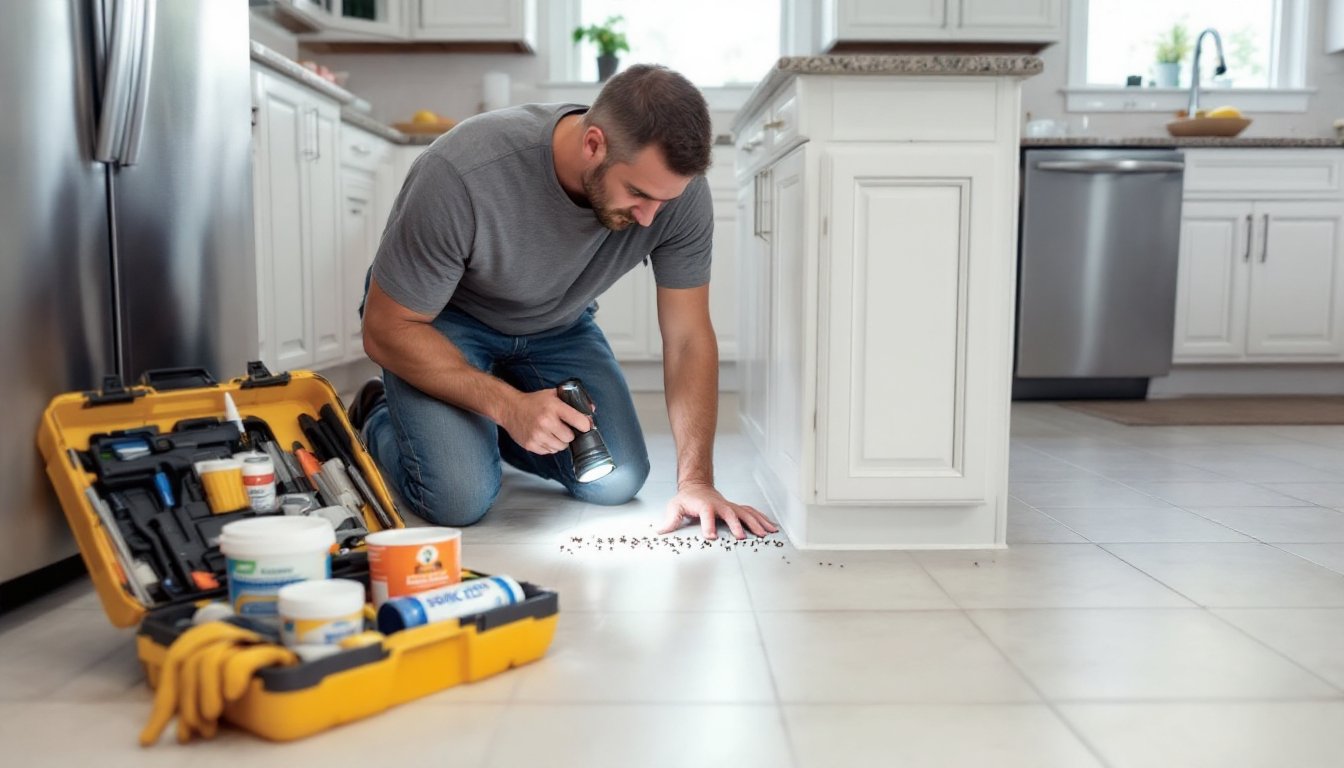

Pests don’t ask permission before they move in. One day you’re living your life, and the next you’ve got ants raiding the pantry, mice scratching behind the walls, or roaches making late-night kitchen appearances. Bug out pest control isn’t just about killing what you see, it’s about understanding what you’re dealing with, addressing the root cause, and keeping them from coming back. This guide covers identification, treatment, and prevention so homeowners can tackle infestations head-on, whether with DIY methods or professional help. No fluff, no Pinterest-speak, just practical steps that work.
Table of Contents
ToggleKey Takeaways
- Bug out pest control combines identification, treatment, and prevention rather than relying on a single product, making it essential for protecting your home’s structure, health, and value.
- Early detection of pest warning signs—like ant trails, rodent droppings, or small gaps—prevents minor infestations from becoming costly problems requiring $500+ professional remediation.
- Effective DIY pest control requires matching the treatment to the pest: bait stations for roaches and ants, snap traps for mice, and hot water washing combined with mattress encasement for bed bugs.
- Sealing entry points, managing moisture, and eliminating food sources are the three pillars of prevention that address root causes and stop pests from returning.
- Termites, bed bugs, and structural damage warrant professional pest control services, as specialized equipment, heat treatment, or fumigation are often necessary to eliminate these infestations effectively.
What Is Bug Out Pest Control and Why It Matters
Bug out pest control refers to the comprehensive approach of identifying, eliminating, and preventing pest infestations in residential spaces. It’s not a single product or method, it’s a strategy that combines inspection, treatment, and ongoing maintenance.
Pests aren’t just annoying. They carry real risks. Rodents chew through electrical wiring (a leading cause of house fires), termites compromise structural wood framing, and cockroaches trigger asthma and allergies, especially in kids. The CDC links certain pests to diseases like hantavirus, salmonella, and Lyme disease.
Most infestations start small. A couple of ants trailing across the counter signal a colony nearby. A single mouse means there are likely more, mice reproduce fast, with females birthing up to ten litters per year. Catching problems early saves money, protects home value, and keeps families healthier. Ignoring warning signs turns a $50 DIY fix into a $500+ professional remediation job.
Effective pest control also considers the home as a system. Cracks in the foundation, gaps around plumbing penetrations, and poor attic ventilation all invite pests inside. Treating visible bugs without addressing entry points is like bailing water without fixing the leak.
Common Household Pests and How to Identify Them
Ants appear in trails, usually near food or moisture. Carpenter ants, large, black, and often seen near wood, don’t eat wood but excavate it to nest, potentially damaging framing. Odorous house ants give off a rotten coconut smell when crushed.
Cockroaches hide during the day and come out at night. German roaches (small, tan, two dark stripes behind the head) prefer kitchens and bathrooms. American roaches (larger, reddish-brown) hang out in basements, crawl spaces, and sewer lines. If you see one, assume there are dozens more.
Rodents leave droppings (rice-sized for mice, larger and blunt for rats), gnaw marks on food packaging, and greasy rub marks along baseboards. You’ll hear them at night, scratching, scurrying, or chewing sounds in walls or attics.
Termites are often mistaken for flying ants during swarming season (spring). Look for discarded wings near windowsills, mud tubes on foundation walls (about the width of a pencil), and hollow-sounding wood when tapped. Subterranean termites are the most destructive species in the U.S.
Bed bugs leave itchy, clustered bites on skin and tiny blood spots on sheets. Inspect mattress seams, box springs, and headboard joints for live bugs (apple seed–sized, reddish-brown) or black fecal stains.
Spiders are generally beneficial, they eat other pests, but some species like brown recluse and black widow are dangerous. Brown recluse have a violin-shaped marking on the back: black widows are shiny black with a red hourglass on the abdomen.
DIY Pest Control Methods That Actually Work
Before grabbing a spray can, identify the pest. Treatment for ants won’t work on roaches, and baiting rodents requires different strategy than trapping them.
For ants, locate the trail and follow it to the entry point. Seal cracks with silicone caulk and deploy bait stations near trails, not directly on them. Worker ants carry bait back to the colony, killing the queen. Terro and Raid make effective boric acid–based baits.
For roaches, sanitation is half the battle. Roaches need food, water, and shelter. Fix leaky pipes, store food in airtight containers, and vacuum crumbs daily. Use gel baits (like Advion or Combat) in cracks, under sinks, and behind appliances. Bait works better than sprays for roaches because it targets the nest. Combine with diatomaceous earth (food-grade) dusted into wall voids and under cabinets, it’s a mechanical killer that shreds their exoskeletons.
For mice, snap traps still outperform glue boards and electronic gizmos. Bait with peanut butter, not cheese. Place traps perpendicular to walls where droppings appear, with the trigger end facing the baseboard. Check daily. Seal entry points with steel wool stuffed into gaps, then cover with caulk or spray foam. Mice squeeze through openings as small as a dime.
For bed bugs, DIY is tough. Wash all bedding and clothing in hot water (130°F minimum) and dry on high heat for 30 minutes. Vacuum mattresses, box springs, and surrounding areas, then immediately discard the vacuum bag in an outdoor bin. Encase mattresses in certified bed bug-proof covers. Severe infestations almost always require professional heat treatment or pesticide application.
Natural and Chemical Treatment Options
Natural methods work for light infestations and prevention but rarely eliminate heavy activity.
Diatomaceous earth (DE) is effective against crawling insects. Wear a dust mask when applying, it’s non-toxic but irritates lungs. Sprinkle in attics, basements, and wall cavities. It stays active as long as it’s dry.
Essential oils (peppermint, tea tree, eucalyptus) repel some pests but don’t kill colonies. They’re better for deterrence than eradication.
Boric acid powder kills roaches and ants. Sprinkle lightly in cracks and voids, too much and insects avoid it. Keep away from kids and pets.
Chemical treatments include insecticidal sprays (pyrethroids like bifenthrin or permethrin) for perimeter treatment and insect growth regulators (IGRs) that disrupt reproduction. Read labels carefully. Most products list target pests, dilution ratios, and re-entry times. Wear gloves and eye protection when mixing or applying chemicals.
For termites, liquid termiticides (like Termidor) create a treated zone around the foundation. This is typically a pro job, application requires trenching and drilling. Bait stations (Sentricon, Advance) are a DIY option but take months to work.
Homeowners should know that effective treatments for problems like bed bug elimination often require multiple methods used in combination, not a single silver bullet.
When to Call a Professional Pest Control Service
Some infestations exceed DIY capability. If you’ve tried multiple treatments over several weeks with no reduction, it’s time to call a pro.
Termites require specialized equipment, infrared cameras, moisture meters, and application tools most homeowners don’t own. Treatment costs vary widely by region and infestation severity, but expect $500–$3,000 for a full perimeter treatment. Given that termite damage repair can run into tens of thousands, professional intervention pays off.
Bed bugs are notoriously hard to kill. Eggs resist most pesticides, and adults hide in cracks thinner than a credit card. Pros use heat treatment (raising room temps to 120°F+), fumigation, or targeted pesticide application. This isn’t a DIY-friendly problem.
Structural pests like carpenter ants or wood-boring beetles justify professional inspection. Damage to floor joists, roof trusses, or load-bearing studs affects home safety and resale value.
Recurring infestations signal an underlying issue, maybe there’s a hidden moisture problem, an undetected entry point, or a nest inside a wall cavity. Pros have the diagnostic tools and experience to find the source.
When hiring, get at least three quotes. Ask if they’re licensed (most states require it) and insured. Request a written treatment plan that specifies target pests, products used, application method, and follow-up schedule. The National Pest Management Association offers resources for vetting providers and avoiding scams. For commercial properties dealing with infestations, businesses often rely on specialized services that follow stricter protocols than residential treatments.
Avoid companies that pressure you to sign same-day contracts or refuse to identify the products they use. Transparent pros explain their process and answer questions without sales-speak.
Preventing Future Infestations: Home Maintenance Tips
Prevention beats treatment every time. Most pest problems stem from three things: entry points, food sources, and moisture.
Seal entry points. Walk the exterior perimeter and look for gaps around utility lines, HVAC penetrations, and where siding meets the foundation. Seal with polyurethane caulk or spray foam for gaps wider than 1/4 inch. Install door sweeps on exterior doors, if you can see daylight under the door, pests can get in. Replace damaged window screens and add mesh vent covers to attic and crawl space vents.
Manage moisture. Fix leaky faucets, slow drains, and sweating pipes. Pests need water. Improve ventilation in bathrooms and kitchens with properly sized exhaust fans (rated for the square footage). Slope soil away from the foundation to prevent pooling. Clean gutters twice a year so water doesn’t overflow and soak the fascia or seep into the basement.
Store food properly. Transfer pantry staples like flour, sugar, and cereals into airtight plastic or glass containers. Wipe down counters nightly. Don’t leave pet food out overnight. Take trash out regularly and use bins with tight-fitting lids.
Trim vegetation. Keep shrubs at least 18 inches away from the house. Overhanging tree branches give pests a highway to the roof. Mulch beds should be no deeper than 2–3 inches and pulled back from the foundation, termites love damp wood mulch.
Declutter. Stacks of cardboard, old newspapers, and unused storage boxes create harborage for roaches and rodents. In basements and garages, store items on metal shelving units rather than directly on the floor.
Inspect regularly. Once a quarter, walk the basement, attic, and crawl space with a flashlight. Look for droppings, gnaw marks, mud tubes, or signs of nesting. Catching problems early keeps them manageable. Resources like HomeAdvisor and Good Housekeeping offer seasonal maintenance checklists that include pest prevention steps alongside other home upkeep tasks.
For new construction or major renovations, consider installing foundation mesh screens and borate-treated lumber in areas prone to termite activity. It’s easier to build in prevention than retrofit later.
Conclusion
Bug out pest control is part detective work, part maintenance, and part knowing when to call in backup. Identify the pest, choose the right treatment, seal entry points, and stay on top of routine home care. DIY methods handle most common invaders if applied correctly and consistently. For the heavy hitters, termites, bed bugs, or anything compromising your home’s structure, pros have the tools and know-how to solve it right the first time. Keep your home tight, dry, and clean, and pests will find easier targets elsewhere.