
Living in Forney means dealing with Texas-sized pest problems. The combination of heat, humidity, and suburban sprawl creates ideal conditions for everything from fire ants to roof rats. Whether you’re spotting cockroaches in the kitchen or hearing scratching in the attic, knowing when to grab the spray can and when to call in professionals can save you thousands in damage and frustration. This guide walks Forney homeowners through identifying common pests, tackling manageable infestations yourself, and recognizing when a problem needs expert intervention.
Table of Contents
ToggleKey Takeaways
- Forney pest control requires professional intervention for termites, bed bugs, recurring infestations, and venomous spiders, as DIY treatments cannot reach hidden colonies or apply specialized equipment effectively.
- Common Forney pests like fire ants, cockroaches, rodents, and mosquitoes thrive in the region’s hot, humid climate and require targeted seasonal approaches timed to their life cycles.
- Seal entry points with ¼-inch hardware cloth and caulk, eliminate standing water, trim vegetation, and use airtight food storage to prevent pest infestations before they require professional treatment.
- DIY solutions work for isolated incidents: liquid bait stations for regular ants, gel baits for German roaches, snap traps for rodents, and Bti dunks for mosquito breeding sites.
- Verify Texas Department of Agriculture licensing and request detailed written estimates specifying treatment methods before hiring a pest control company in Forney.
- Spring termite swarmers and summer peak season demand increased monitoring, while fall and winter present opportunities to seal entry points and repair structural damage with minimal outdoor pest pressure.
Common Pest Problems in Forney, Texas
Forney’s climate and landscape create a perfect storm for specific pest activity. Understanding what you’re up against helps you prepare the right defense.
Termites top the list for structural damage potential. Subterranean termites thrive in Forney’s clay-rich soil, creating mud tubes up foundation walls to access wood framing. Swarmers typically appear in spring, and a single colony can number in the hundreds of thousands. Left unchecked, they’ll chew through floor joists, studs, and roof decking, structural repairs can run $15,000 or more depending on the extent.
Fire ants dominate outdoor spaces. These aggressive insects build mounds 12-18 inches across in lawns, gardens, and along foundation edges. A disturbed colony attacks in swarms, delivering painful stings that can trigger allergic reactions. They’re nearly impossible to eliminate permanently without professional treatment.
Cockroaches, especially German and American varieties, plague kitchens and bathrooms. German roaches reproduce rapidly (one egg case contains 30-40 nymphs), while American roaches (the big ones, sometimes called “palmetto bugs”) enter through sewer lines and gaps around plumbing penetrations.
Rodents (roof rats and house mice) find easy entry through gaps as small as ¼ inch. They nest in attics, wall cavities, and crawlspaces, chewing electrical wiring and creating fire hazards. Droppings and urine contaminate insulation and stored items.
Spiders, including black widows and brown recluses, hide in dark, undisturbed areas like garages, sheds, and wood piles. While most spiders are harmless, these two species deliver medically significant bites.
Mosquitoes breed in any standing water, clogged gutters, birdbaths, potted plant saucers. Beyond the nuisance factor, they carry West Nile virus and other diseases common in North Texas.
When to Call a Professional Pest Control Service in Forney
Some infestations exceed DIY capabilities. Knowing when you’re outmatched prevents wasted money and further damage.
Call immediately for termites. If you spot mud tubes, discarded wings near windows, or hollow-sounding wood when tapped, don’t attempt treatment yourself. Effective termite control requires specialized equipment (soil treatment rigs, monitoring stations) and products not available to consumers. Many reputable pest control specialists in Forney, TX offer free inspections and can assess the scope before you commit.
Bed bugs demand professional help. These hitchhikers hide in mattress seams, baseboards, and electrical outlets. Over-the-counter sprays just scatter them to new hiding spots. Professionals use heat treatment (raising room temps to 120-135°F for several hours) or targeted pesticide application that actually reaches hidden populations.
Recurring cockroach infestations signal a bigger problem. If you’ve bombed, sprayed, and baited but still see roaches within a few weeks, the colony is likely hidden in wall voids or sewer connections. Pros use insect growth regulators (IGRs) and gel baits applied in inaccessible areas.
Large rodent populations or activity in multiple areas of the home require professional intervention. A mouse in the garage is manageable: scratching in walls throughout the house means an established colony. Professionals identify entry points, set commercial-grade traps, and exclude future access with metal flashing and expanding foam that rodents can’t chew through.
Venomous pests like brown recluse or black widow spiders warrant professional treatment if found indoors repeatedly. A single spider is one thing: multiple sightings indicate an established population.
Structural concerns always require a licensed pro. If pests have damaged framing, wiring, or plumbing, the extermination is only half the job. You’ll need documentation for insurance claims and repairs that meet code.
DIY Pest Control Solutions for Forney Homeowners
For minor infestations and isolated incidents, homeowners can handle treatment effectively with the right products and approach.
For ants (except fire ants), liquid bait stations work well. Place them along trails and near entry points. The workers carry poison back to the colony, killing the queen. Avoid spraying visible ants, you want them to recruit more workers to the bait. Terro and Advion are reliable brands. Treatment takes 3-7 days.
Cockroach gel bait applied in small dots (pea-sized) under sinks, behind appliances, and along baseboards targets German roaches effectively. Wear nitrile gloves and apply with a bait gun for precision. Combine with boric acid powder in wall voids accessed through electrical outlet boxes (power off the circuit first). Replace gel every 3 months.
Rodent control starts with snap traps baited with peanut butter, placed perpendicular to walls where you’ve seen droppings. Mice travel along walls, not across open floor. Check traps daily. Seal entry points with ¼-inch hardware cloth and steel wool stuffed into gaps, then covered with caulk or expanding foam. For outdoor prevention, many homeowners find seasonal maintenance checklists helpful for staying ahead of entry point repairs.
Spider control requires removing webs, reducing clutter in storage areas, and applying residual pesticide spray (bifenthrin or lambda-cyhalothrin) along baseboards and in corners. Wear a respirator rated for pesticides, safety glasses, and gloves. Treat garages and sheds quarterly.
Outdoor mosquito reduction focuses on eliminating breeding sites. Dump standing water weekly, clean gutters twice yearly, and treat ornamental ponds with Bacillus thuringiensis israelensis (Bti) dunks, a biological larvicide safe for fish and pets.
Safety note: Always read pesticide labels completely. Wear appropriate PPE: chemical-resistant gloves, safety glasses, long sleeves, and a respirator when applying sprays or dusts indoors. Keep children and pets away from treated areas until surfaces dry completely (typically 2-4 hours).
Preventative Measures to Keep Pests Out of Your Home
Most pest problems start with easy access and available food or water. Closing those opportunities is cheaper than treatment.
Seal the building envelope. Walk the perimeter and check foundation walls for cracks wider than ⅛ inch, seal with hydraulic cement or polyurethane caulk. Inspect where utilities enter (gas lines, electrical conduit, cable) and foam gaps with pest-blocking expanding foam. Replace worn weatherstripping on doors: a gap under an entry door is an interstate for mice and roaches.
Screen all vents. Attic vents, crawlspace vents, and dryer vents need ¼-inch hardware cloth to exclude rodents and birds. Check existing screens annually, UV exposure makes them brittle.
Manage moisture. Fix leaky faucets, repair dripping hose bibs, and ensure gutters drain away from the foundation. Standing water attracts mosquitoes: moisture in crawlspaces attracts termites and roaches. If you have chronic foundation moisture, a French drain or regrading may be necessary.
Trim vegetation. Keep shrubs and tree branches at least 12 inches from siding. Overgrown landscaping creates pest highways and holds moisture against the house. Those interested in strategic garden design ideas can find approaches that look good while maintaining proper clearance.
Store food properly. Transfer opened grains, cereals, and pet food into airtight containers (thick plastic or glass). Don’t leave pet food out overnight. Clean up crumbs and spills immediately, even small amounts of food attract roaches and ants.
Reduce clutter. Cardboard boxes in garages and attics provide harborage and nesting material. Switch to plastic bins with tight lids. Keep firewood stacked at least 20 feet from the house and 6 inches off the ground on a rack.
Install door sweeps on exterior doors, especially garage doors. A 1-inch gap under a garage door invites rodents and snakes. Aluminum or rubber sweeps seal the gap and hold up to weather and traffic.
Seasonal Pest Control Tips for the Forney Climate
Forney’s pest pressure shifts with the seasons. Timing your defenses to pest life cycles improves effectiveness.
Spring (March-May): Termite swarmers emerge when temperatures hit 70°F consistently. Schedule a professional termite inspection every 1-2 years, most companies offer them free. Fire ants become active: treat mounds with two-step approach: broadcast bait across the yard, then treat individual mounds with contact insecticide. Mosquitoes start breeding as rain fills containers.
Summer (June-August): Peak pest season. Roaches, ants, and spiders are most active. Reapply perimeter pesticide spray monthly if using DIY products. Check attic vents and soffits for wasp nests, treat at dusk when wasps are less active, wearing full coverage clothing. Mosquito populations explode: treat standing water with Bti dunks every 30 days.
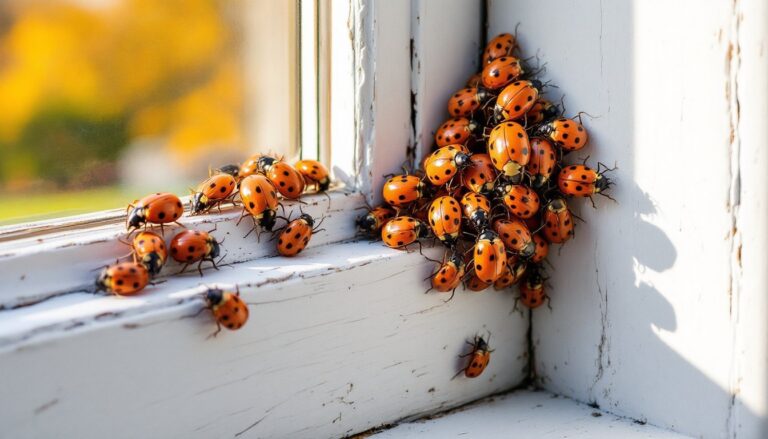
Fall (September-November): Rodents seek indoor shelter as temperatures drop. Inspect and seal entry points before cold snaps drive mice inside. Spiders move indoors: expect increased activity in garages and basements. Lady beetles (often mistaken for pests) cluster on south-facing walls, vacuum them up rather than spraying.
Winter (December-February): Reduced outdoor activity, but indoor pests remain year-round. Mice nest in attic insulation: set traps if you hear scratching. Roaches continue breeding indoors in heated spaces. Check crawlspaces for moisture issues that attract pests even in cold weather. This is ideal timing for structural repairs and exclusion work since outdoor pest pressure is lowest.
Choosing the Right Pest Control Company in Forney
Not all pest control services deliver equal value. Here’s what to evaluate.
Verify licensing and insurance. In Texas, pest control technicians must hold a license from the Texas Department of Agriculture. Ask to see the company’s Structural Pest Control license and proof of liability insurance. This protects you if treatment damages your property or someone gets injured.
Get detailed estimates. A reputable company inspects before quoting. Beware of phone quotes without seeing the property. Written estimates should specify treatment methods, products used, number of visits, and warranty terms.
Understand treatment approaches. Integrated Pest Management (IPM) combines chemical and non-chemical methods, exclusion, sanitation, targeted pesticide application, rather than blanket spraying. IPM is generally more effective long-term and uses fewer chemicals.
Ask about warranties. Most companies offer free re-treatment if pests return within the warranty period (typically 30-90 days for one-time service, ongoing for monthly/quarterly plans). Get warranty terms in writing.
Check reviews and references. Look beyond star ratings. Read detailed reviews for patterns: do they show up on time, do technicians explain what they’re doing, how does the company handle problems? Ask for references from neighbors who’ve dealt with similar pest issues.
Compare contract terms. Monthly service runs $50-80 for typical residential properties: quarterly service costs $100-150 per visit. Initial treatments (especially for termites) cost more. Make sure you understand cancellation policies before signing annual contracts.
Evaluate communication. The technician should explain what pests they found, where, treatment methods, and prevention tips. If they can’t or won’t explain their approach, find someone who will.
Conclusion
Effective pest control in Forney requires matching the response to the threat. Small problems caught early often yield to DIY solutions and prevention. Structural pests, recurring infestations, and venomous species demand professional expertise. The real victory comes from sealing access points, eliminating attractants, and staying ahead of seasonal pest patterns, that’s what keeps a house pest-free long-term.