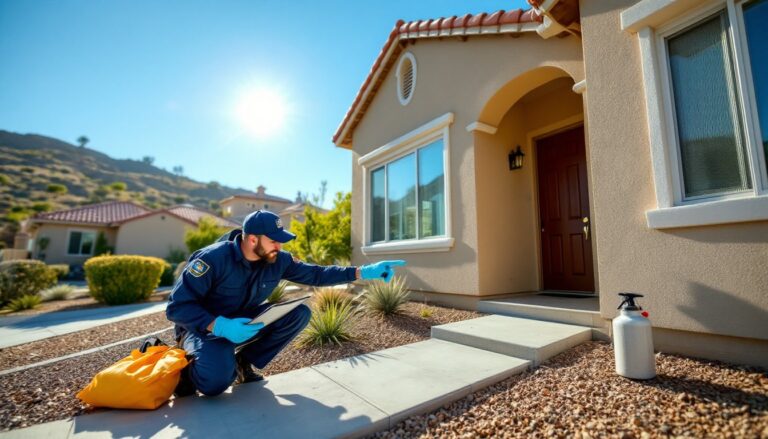

Bugs in the house aren’t just annoying, they’re invaders. When roaches scatter across kitchen counters or ants march through baseboards, homeowners need a solution that actually works. Bifen has become one of the most trusted names in DIY pest control, offering professional-grade results without the recurring service fees. This synthetic pyrethroid insecticide targets a broad spectrum of pests and holds up in conditions where other products fail. Whether someone’s battling an active infestation or establishing a defensive perimeter, understanding how to use Bifen properly makes the difference between throwing money at a problem and actually solving it.
Table of Contents
ToggleKey Takeaways
- Bifen pest control uses bifenthrin, a synthetic pyrethroid that disrupts insect nervous systems on contact and provides residual protection for up to 90 days when applied correctly.
- Bifen is labeled for more than 75 pest species including ants, roaches, spiders, termites, and fleas, making it a versatile solution for most crawling insects.
- Proper application is critical: indoor use requires crack-and-crevice treatment along baseboards and entry points, while outdoor perimeter barriers should cover 3 feet up the foundation and 3 feet outward.
- Bifen costs $0.10-0.20 per gallon of finished product and can treat 8,000-32,000 square feet per bottle, making DIY pest control significantly cheaper than professional quarterly services.
- Bifenthrin is highly toxic to aquatic life and bees, so avoid spraying near water features, blooming plants, and during pollinator foraging hours (10 a.m.–4 p.m.).
- For maximum effectiveness, combine Bifen with baits or insect growth regulators rather than relying on a single approach, and reapply every 90 days for ongoing pest prevention.
What Is Bifen and How Does It Work?
Bifen is a brand name for products containing bifenthrin, a synthetic pyrethroid developed in the 1980s for agricultural and residential pest control. Pyrethroids mimic natural pyrethrins found in chrysanthemum flowers but offer significantly longer residual activity, often 90 days or more when applied correctly.
Bifenthrin works by disrupting the nervous system of insects. When pests contact treated surfaces, the chemical interferes with sodium channels in nerve cells, causing paralysis and death. It’s a contact insecticide, meaning bugs don’t need to ingest it: walking across a treated surface is enough. This makes it especially effective for crawling insects like ants, roaches, and spiders.
The product comes in two main forms: liquid concentrate (typically 7.9% bifenthrin) and granules. Concentrates get diluted with water in a pump sprayer, while granules are spread with a broadcast spreader for lawn applications. The liquid form is more versatile for both indoor spot treatment and outdoor barrier sprays.
One reason Bifen stands out is its low water solubility. Once it dries, rain and irrigation won’t immediately wash it away. This durability makes it a go-to for perimeter treatments in regions with frequent rain. It also has low vapor pressure, meaning it won’t off-gas significantly after application, an important safety consideration for indoor use.
Common Pests Controlled by Bifen
Bifenthrin is labeled for more than 75 pest species. Homeowners typically reach for it to handle:
- Ants (carpenter ants, fire ants, pavement ants, odorous house ants)
- Roaches (German, American, Oriental varieties)
- Spiders (including brown recluse and black widows)
- Termites (as a soil treatment, though not a replacement for professional fumigation)
- Fleas and ticks (outdoor yard treatment)
- Earwigs, silverfish, crickets
- Stink bugs, boxelder bugs, Asian lady beetles (fall invaders)
- Mosquitoes (residual control on vegetation and surfaces)
It’s less effective against flying insects like houseflies unless they land on treated surfaces. For mosquitoes, bifenthrin provides 2-4 weeks of knockdown when sprayed on shrubs, fence lines, and under deck areas where they rest.
Bifen also works on lawn pests such as chinch bugs, sod webworms, and armyworms when applied as a granular treatment or spray. But, many effective pest control strategies combine multiple approaches rather than relying on a single product.
What it won’t touch: rodents, bed bugs (requires different chemistry), or pests that avoid treated surfaces. Bed bugs, in particular, have developed resistance to many pyrethroids.
How to Apply Bifen for Maximum Effectiveness
Application method determines whether Bifen works or becomes a waste of product. This isn’t a “spray and pray” situation.
Indoor Application Tips
Indoor use should be limited to crack-and-crevice treatment and spot applications. Bifen is not labeled for broadcast spraying across floors or countertops. Focus on:
- Baseboards and trim: Apply a thin band along the junction where the wall meets the floor. Use a pin-stream nozzle to keep overspray minimal.
- Entry points: Treat around door frames, window sills, utility penetrations (pipes, wires), and gaps behind appliances.
- Voids and cracks: Use a crack-and-crevice tip to inject product into wall voids, under cabinets, and behind outlet covers (with power off).
- Dilution rate: Mix 1 ounce of Bifen I/T per gallon of water for general indoor pest control. For heavy infestations, labels allow up to 2 ounces per gallon, but more isn’t always better, proper coverage matters more than concentration.
Safety note: Remove pets and children during application. Let treated surfaces dry completely (typically 1-2 hours) before allowing re-entry. Don’t apply to surfaces where food is prepared.
For heavy indoor bug infestations, consider combining Bifen with an insect growth regulator (IGR) to interrupt breeding cycles.
Outdoor Perimeter Treatment
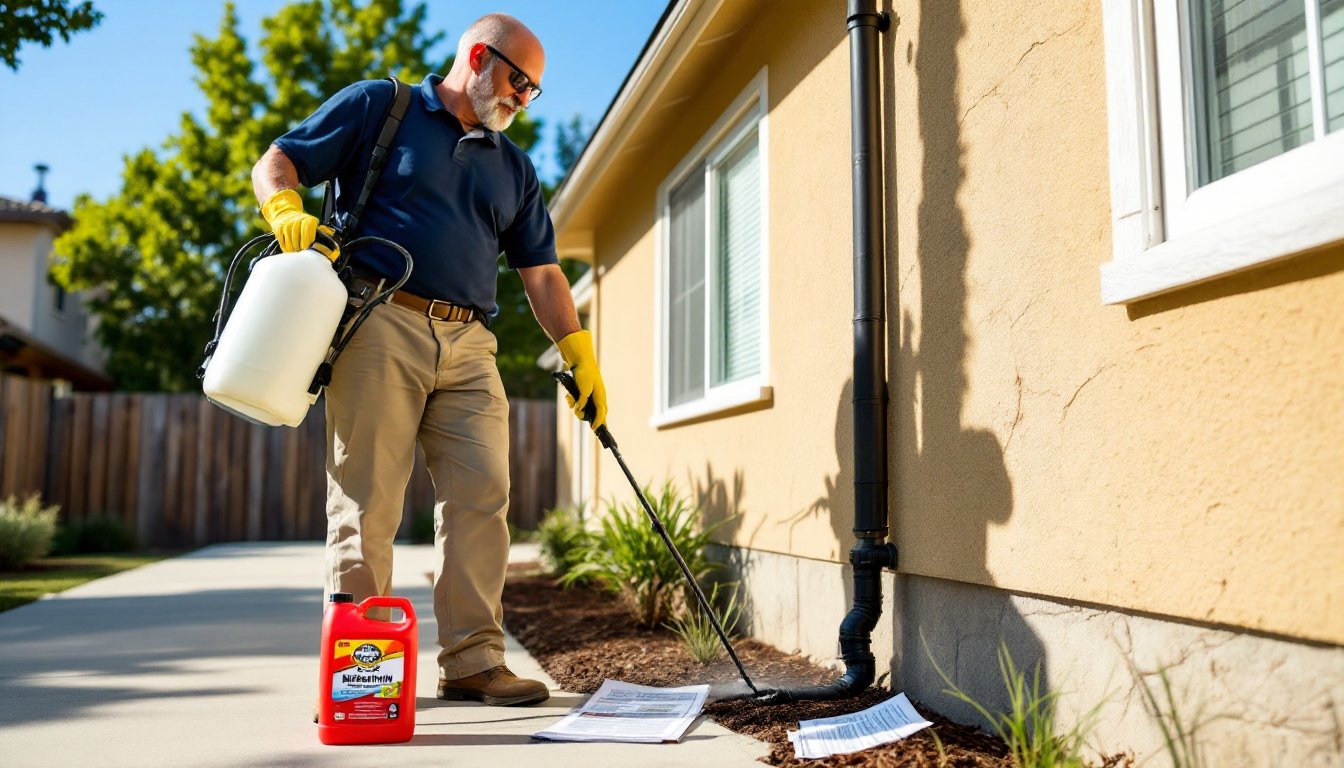
Outdoor barrier treatment is where Bifen shines. The goal is to create a chemical barrier that kills pests before they enter the home.
- Mix the solution: Use 1 ounce per gallon for standard prevention, or 2 ounces per gallon for active infestations.
- Equipment: A 1-2 gallon pump sprayer with an adjustable nozzle works for most homes. For larger properties, a backpack sprayer or hose-end sprayer saves time.
- Application zone: Spray a band 3 feet up the foundation and 3 feet out onto the ground. This creates a treated barrier bugs must cross. Pay extra attention to:
- Foundation cracks and weep holes
- Around doors, windows, and vents
- Under eaves and soffits
- Where utilities enter the structure
- Coverage rate: One gallon of mixed solution typically treats 500-1,000 square feet, depending on surface porosity. Brick and stucco absorb more product than vinyl siding.
- Timing: Apply when no rain is forecast for 24 hours. Early morning or late evening application avoids direct sunlight, which can degrade bifenthrin before it bonds to surfaces.
- Vegetation: Spray lower branches of shrubs, mulch beds, and ground cover where pests harbor. Avoid spraying flowering plants during pollinator activity hours.
Reapply every 90 days for maintenance, or sooner if heavy rain or pest pressure returns. Many homes on commercial-grade schedules treat quarterly to stay ahead of seasonal pest cycles.
Safety Precautions When Using Bifen
Bifenthrin is classified as a Category II toxicant (moderately toxic) by the EPA. It’s safer than many older organophosphates, but improper use still carries risks.
Personal Protective Equipment (PPE):
- Nitrile or rubber gloves (not fabric or leather, bifenthrin absorbs into porous materials)
- Long sleeves and pants to minimize skin contact
- Safety glasses or goggles to prevent eye exposure
- Respirator with organic vapor cartridges if spraying in poorly ventilated areas or treating large volumes
Do not eat, drink, or smoke during application. Wash hands and exposed skin thoroughly with soap and water afterward. Launder application clothing separately.
Aquatic toxicity: Bifenthrin is extremely toxic to fish and aquatic invertebrates. Never allow runoff into storm drains, ponds, streams, or wetlands. Avoid spraying near water features, and don’t rinse equipment where runoff can reach waterways.
Pet and wildlife considerations: Once dried, bifenthrin poses minimal risk to mammals (dogs, cats, humans) when used as directed. But, it’s highly toxic to bees and other beneficial insects. Avoid spraying blooming plants or during pollinator foraging hours (typically 10 a.m.–4 p.m.).
Keep pets and children off treated surfaces until completely dry. Fish tanks should be covered and air pumps turned off during indoor treatment.
Storage: Store concentrate in its original container in a cool, dry location away from children and pets. Mixed solution should be used within 24 hours, bifenthrin doesn’t remain stable in water indefinitely.
Disposal: Do not pour excess product down drains. Check local regulations: many municipalities have hazardous waste collection days. Empty containers can typically be rinsed (capturing rinse water for application) and recycled where pesticide container programs exist.
Bifen vs. Other Pest Control Solutions
Choosing between Bifen and alternatives depends on pest type, application area, and tolerance for chemical vs. non-chemical methods.
Bifen vs. Permethrin: Both are pyrethroids, but bifenthrin has longer residual activity (90 days vs. 30-45 for permethrin). Permethrin is often cheaper and widely available in ready-to-use formulations. Bifenthrin offers better performance in outdoor heat and UV exposure.
Bifen vs. Fipronil (Termidor): Fipronil is the gold standard for termites and ants due to its non-repellent nature, insects can’t detect it, so they walk through treated zones and transfer it to colony members. Bifen has a slight repellent effect, which can cause pests to avoid treated areas (good for barriers, less ideal for colony elimination). Fipronil is pricier and harder to source for DIY use.
Bifen vs. Natural/Organic options: Products with essential oils (peppermint, cedar, clove) or diatomaceous earth appeal to homeowners seeking chemical-free approaches. These work for light pest pressure but lack the residual power and broad-spectrum control of bifenthrin. Natural products often require more frequent application and don’t penetrate nests or colonies.
Bifen vs. Professional services: Professional pest control companies use many of the same active ingredients homeowners can access, including bifenthrin. The difference lies in application expertise, specialized equipment, and warranty coverage. Pros can treat wall voids, perform deep perimeter drenches, and address structural pest issues that DIY methods can’t reach. For termite infestations or widespread structural damage, a licensed professional is non-negotiable.
Cost comparison: A 16 oz bottle of Bifen I/T costs $35-50 and makes 16-32 gallons of spray, covering 8,000-32,000 square feet. That’s roughly $0.10-0.20 per gallon of finished product. Professional quarterly service typically runs $100-150 per visit. DIY saves money but requires the homeowner’s time and willingness to handle chemicals.
For active infestations, combining Bifen with baits (for ants and roaches) or IGRs provides better long-term control than relying on a single approach. Resources like The Spruce and Hunker often recommend integrated pest management (IPM) strategies that layer multiple tactics.
Bifen excels as a preventative barrier and general-purpose knockdown tool. It won’t replace targeted treatments for specialized pests, but for the typical crawling insects that plague homes, it delivers professional-grade results at a fraction of the cost.