
Annapolis homeowners face a unique pest challenge. The city’s humid subtropical climate, proximity to the Chesapeake Bay, and historic housing stock create ideal conditions for everything from termites to rodents. A single missed inspection or unsealed crack can turn into thousands of dollars in structural damage, or worse, a health hazard for your family. This guide covers the pests you’re most likely to encounter, practical prevention strategies you can carry out yourself, and when it’s time to call in professional help. Whether you’re dealing with an active infestation or looking to protect your investment, understanding local pest patterns and effective control methods is the first step toward a pest-free home.
Table of Contents
ToggleKey Takeaways
- Annapolis pest control requires a multi-layered approach combining seasonal awareness, DIY prevention, and professional intervention, especially for termites that cause an estimated $5 billion in annual property damage nationwide.
- Seal foundation cracks wider than 1/8 inch, control moisture, and maintain 18 inches of clearance between mulch and your foundation to prevent termites, carpenter ants, and rodents from exploiting vulnerable entry points.
- Spring termite swarmers, summer mosquitoes, and fall stink bugs follow predictable seasonal patterns in the Annapolis area—seal entry points by October and conduct quarterly exterior inspections to stay ahead of infestations.
- DIY solutions like vinegar sprays for ants, boric acid baits for roaches, and snap traps for rodents work for minor issues, but termites, bed bugs, and structural damage require licensed pest control professionals.
- Pest damage directly impacts home value and marketability; Maryland law requires sellers to disclose past infestations, and unresolved pest issues can reduce property offers by 3-5% or more.
- Invest in preventive maintenance like crawl space encapsulation and proper grading—the cost of prevention is a fraction of the thousands to tens of thousands in structural repairs caused by ignored pest problems.
Common Pests Plaguing Annapolis Homes
Annapolis’s geography and climate make it a hotspot for several pest species. Termites, specifically subterranean termites, are the biggest threat to wooden structures, causing an estimated $5 billion in property damage annually nationwide. The area’s humidity keeps soil moist year-round, providing ideal conditions for colony growth.
Rodents (Norway rats, house mice, and roof rats) thrive in older neighborhoods with mature landscaping and pre-1950s construction. These pests can chew through electrical wiring, create fire hazards, and contaminate food storage areas. If you notice droppings near baseboards or hear scratching in walls at night, you’ve got company.
Ants, particularly carpenter ants and odorous house ants, invade through foundation cracks and utility penetrations. Carpenter ants excavate wood to build nests (they don’t eat it like termites), while odorous house ants just want your kitchen scraps.
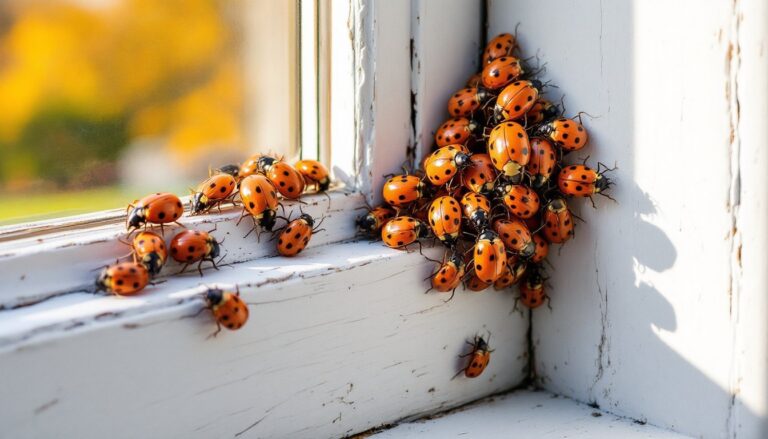
Cockroaches (German and American varieties) enter through sewer lines, drains, and gaps around pipes. They’re not just disgusting, they’re asthma triggers and disease vectors. Mosquitoes breed in standing water, from clogged gutters to decorative birdbaths, and peak during Maryland’s humid summers. Stink bugs (brown marmorated) became a nuisance in the mid-Atlantic over the past two decades, overwintering in attics and wall voids by the hundreds.
Seasonal Pest Patterns in the Annapolis Area
Pest activity in Annapolis follows predictable seasonal cycles. Spring (March–May) brings termite swarmers, winged reproductives that emerge after rain to establish new colonies. This is also when ants and carpenter bees become active as temperatures climb above 50°F.
Summer (June–August) is peak season for mosquitoes, ticks, wasps, and yellow jackets. The high humidity amplifies mosquito breeding: a single clogged gutter can support hundreds of larvae. Wasps build paper nests under eaves and in attic vents.
Fall (September–November) sees stink bugs, boxelder bugs, and cluster flies seeking warm overwintering sites. Mice and rats also move indoors as outdoor food sources dwindle and nighttime temperatures drop. Seal entry points before October to avoid rodent pressure.
Winter (December–February) is relatively quiet, but rodents remain active indoors. If you’ve got mice now, you’ll have more come spring when they start breeding, one female can produce 5-10 litters per year.
DIY Pest Prevention Strategies for Annapolis Homeowners
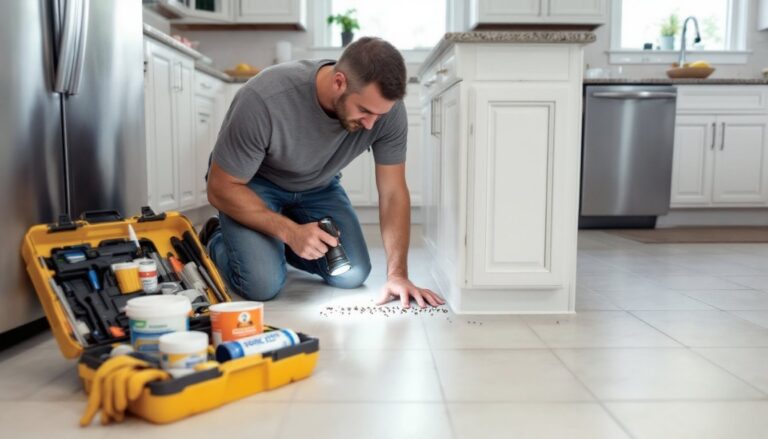
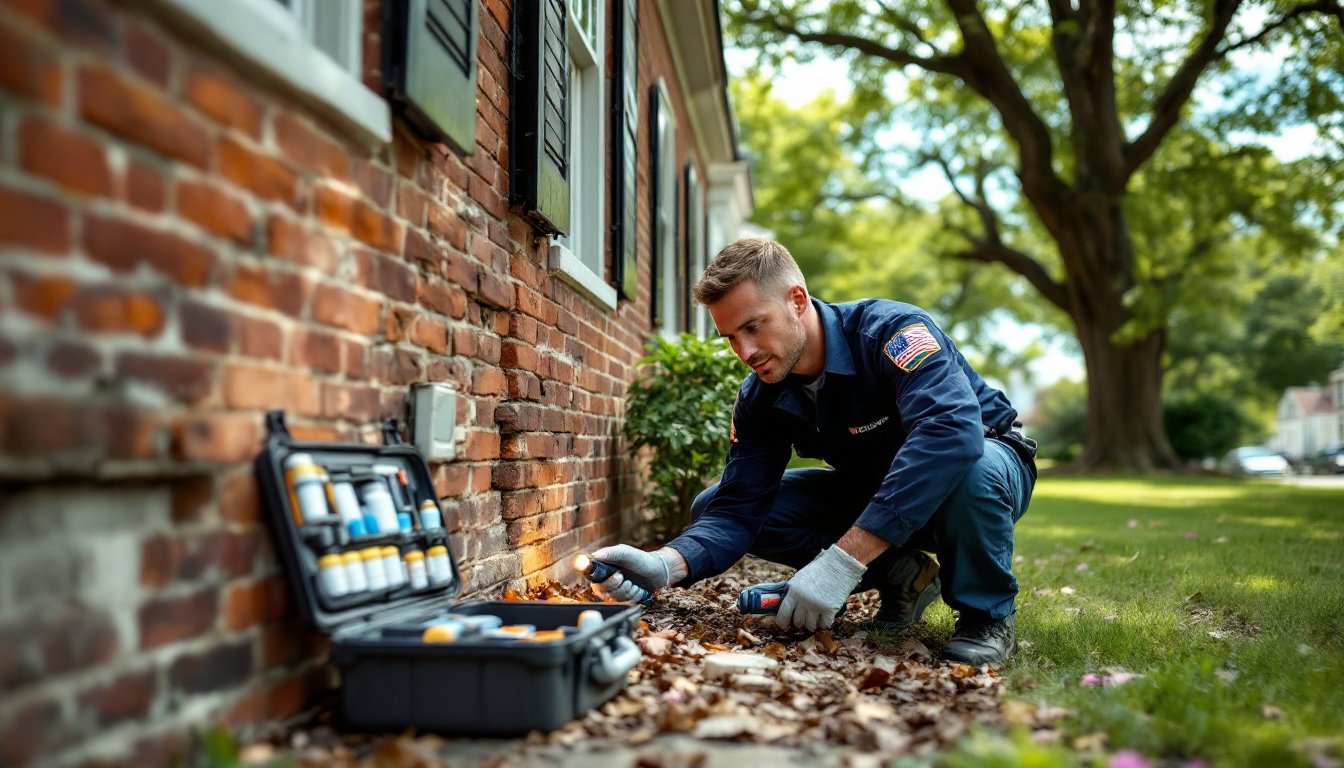
The most cost-effective pest control is prevention. Start with a quarterly exterior inspection. Walk your foundation looking for cracks wider than 1/8 inch, gaps around utility penetrations (HVAC lines, electrical conduits, gas pipes), and damaged or missing weatherstripping on doors and thresholds. Seal these with silicone caulk or polyurethane foam depending on gap size. For holes larger than 1/4 inch, stuff them with copper mesh before foaming, rodents can’t chew through it.
Moisture control is critical. Termites and carpenter ants need water. Fix leaking gutters, downspouts that dump water against the foundation, and crawl space moisture issues. Install 6-mil polyethylene vapor barriers in crawl spaces and ensure your grading slopes away from the house at a minimum 1/4 inch per foot for the first 10 feet. Dehumidifiers in basements should keep relative humidity below 50%.
Keep firewood, mulch, and debris at least 18 inches away from the foundation. Mulch should be no deeper than 2-3 inches near the house: use gravel or stone in a 6-inch buffer zone if you’ve had termite issues. Trim tree branches and shrubs so they don’t touch siding or rooflines, these act as highways for ants, rodents, and squirrels.
Inside, eliminate food sources. Store dry goods (flour, cereal, pet food) in airtight plastic or glass containers. Don’t leave pet food out overnight. Clean up crumbs and spills immediately, and take trash out daily if you’re dealing with an active ant or roach problem. Fix leaky faucets and pipes under sinks, even a slow drip provides enough water for a roach colony.
Install door sweeps on exterior doors (aim for a 1/4-inch gap or less) and repair damaged window screens. Check attic and foundation vents for tears or missing mesh. Many homeowners consult contractors for sealing work if they’re uncomfortable working on ladders or crawling under the house.
Natural and Chemical Pest Control Solutions
For ants, start with natural deterrents. Spray a solution of 1 part white vinegar to 1 part water along trails and entry points, it disrupts scent trails. For serious infestations, use boric acid bait stations placed along baseboards and under sinks. The ants carry bait back to the colony, killing the queen over 2-3 weeks. Diatomaceous earth (food-grade) works well in dry areas like attics and wall voids: it damages insect exoskeletons and causes dehydration. Wear a dust mask when applying it, it’s non-toxic but irritating to lungs.
Roaches require a two-pronged approach. Apply gel bait (look for products containing fipronil or indoxacarb) in pea-sized dots behind appliances, inside cabinets, and along plumbing chases. Combine this with boric acid dust in wall voids via outlet covers (turn off power first). Gel baits expire after a few months, so reapply quarterly.
For rodents, snap traps remain the most effective DIY option. Use peanut butter or bacon as bait and place traps perpendicular to walls where you’ve seen droppings, mice run along baseboards, not across open floors. Glue boards work but are considered inhumane by some. Avoid poison baits inside the home unless you’re prepared to deal with dead rodents in inaccessible wall voids. Outside, bait stations (tamper-resistant boxes) can reduce populations if placed near entry points.
Mosquitoes require eliminating standing water. Dump birdbaths and saucers weekly. Clean gutters monthly during summer. For decorative ponds, use Bacillus thuringiensis israelensis (BTI) dunks, a biological larvicide safe for fish and wildlife. Permethrin-based sprays applied to shrubs and tall grass reduce adult populations for 2-4 weeks. Always wear gloves and eye protection when mixing concentrates.
Many cost guides and project planning resources are available through platforms like HomeAdvisor for estimating larger pest-proofing renovations such as foundation sealing or crawl space encapsulation.
When to Call a Professional Pest Control Service
Certain situations require professional intervention. Termites are non-negotiable, a licensed pest control operator should perform inspections and treatments. DIY termite treatments exist, but most require applying hundreds of gallons of termiticide in trenches around the foundation or drilling through slabs, work that’s hard to do correctly without commercial equipment. Treatment costs in Annapolis typically range from $1,200 to $3,500 depending on home size and infestation severity, but prices fluctuate with labor costs and product availability.
Call a pro if you’ve got structural damage from carpenter ants or powderpost beetles. Professionals use borescopes to inspect wall voids and can apply residual insecticides in areas you can’t reach. They’ll also identify moisture sources you might have missed.
Bed bugs are nearly impossible to eliminate without professional heat treatment or pesticide application. These pests hide in baseboards, electrical outlets, and furniture joints. Over-the-counter sprays usually just scatter them to new rooms. Expect to pay $1,000–$2,500 for whole-home treatment.
Stinging insects, wasps, hornets, yellow jackets, become dangerous when nests are in high-traffic areas or if anyone in your household is allergic. Professionals have protective gear and can treat nests at height or inside wall voids safely. DIY nest removal is risky: yellow jackets can pursue threats for 50+ feet and sting repeatedly.
If you’ve sealed entry points, set traps, and applied baits for rodents but still see activity after 3-4 weeks, you may have a large colony or hidden entry points. Pros use infrared cameras and exclusion techniques that go beyond basic caulking. For businesses dealing with pest issues, commercial pest control services offer specialized approaches that address health code requirements and minimize downtime.
Always verify that any pest control company you hire is licensed by the Maryland Department of Agriculture and carries liability insurance. Ask for written estimates and treatment plans before work begins.
Protecting Your Home’s Value Through Pest Management
Pest damage directly impacts home value and marketability. Termite damage is the most serious financial threat. Maryland law requires sellers to disclose past infestations, and many buyers request termite inspection reports (officially called Wood-Destroying Insect reports) before closing. If an inspector finds active termites or damage, buyers will demand treatment and repairs, or walk away.
Even treated infestations can affect appraisals if damage wasn’t properly repaired. Structural repairs for termite-damaged floor joists or wall studs can run $3,000–$10,000+ depending on extent and accessibility. Preventive treatments and annual inspections cost a fraction of that.
Rodent damage to wiring is a fire hazard and can void homeowners insurance claims if inspectors determine neglect. Rodents also damage insulation, HVAC ducts, and vapor barriers in crawl spaces, repairs that cut into resale value if not addressed. During home inspections, evidence of rodents (droppings, gnaw marks, nesting material) raises red flags for buyers and can derail financing if conditions appear unsanitary.
Moisture issues that attract pests, leaking roofs, poor drainage, wet crawl spaces, also cause mold, wood rot, and foundation settlement. Addressing these problems protects against both pest infestations and far more expensive structural failures. A French drain system or crawl space encapsulation might cost $2,000–$8,000, but it prevents tens of thousands in future damage.
Keep records of all pest treatments, inspections, and repairs. If you sell, these documents demonstrate proactive maintenance. Many experts at Bob Vila emphasize that visible pest damage or unresolved moisture problems can reduce offers by 3-5% or more, especially in competitive markets.
For Annapolis homes, many built before modern building codes, investing in pest prevention and moisture control isn’t optional. It’s essential maintenance that protects both your family’s health and your largest financial asset.
Conclusion
Pest control in Annapolis isn’t a one-time fix, it’s an ongoing process of inspection, exclusion, and maintenance. Start with the basics: seal entry points, control moisture, eliminate food sources, and monitor for seasonal threats. DIY methods work well for minor issues, but don’t hesitate to call a licensed professional when you’re dealing with termites, structural damage, or infestations that won’t quit. The money you spend on prevention and early intervention saves multiples in repair costs and preserves your home’s value for years to come.