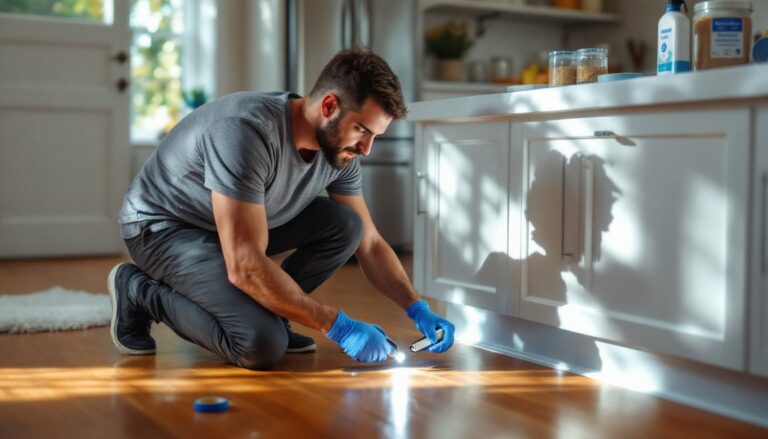

Pests don’t care about your eco-conscious lifestyle, but your pest control methods should. EcoGen pest control offers homeowners a way to tackle infestations without dousing their property in harsh chemicals that linger on surfaces, seep into groundwater, or put kids and pets at risk. This approach uses integrated pest management (IPM) strategies, botanical compounds, and targeted application techniques to handle everything from ants marching across your kitchen counter to termites threatening your home’s structure. Understanding how EcoGen works, and when it’s the right fit for your situation, helps you make informed decisions about protecting your home without compromising your values or your family’s health.
Table of Contents
ToggleKey Takeaways
- EcoGen pest control uses integrated pest management strategies, botanical compounds, and targeted applications to eliminate infestations while minimizing chemical exposure and environmental harm.
- The EcoGen approach prioritizes inspection, sanitation, and exclusion—sealing entry points and removing conducive conditions—often resolving infestations without pesticides.
- Plant-based active ingredients like diatomaceous earth, neem oil, and boric acid break down faster than synthetic chemicals and pose lower risks to children, pets, and beneficial insects.
- Common household pests including ants, cockroaches, rodents, and bed bugs respond well to EcoGen methods, though termites and carpenter ants often require professional assessment to prevent costly structural damage.
- Professional EcoGen pest control services are worth the investment for structural pests, recurring infestations, or specialized treatments like heat therapy, ensuring transparent inspections and customized treatment plans.
What Is EcoGen Pest Control?
EcoGen pest control refers to an environmentally responsible approach to pest management that prioritizes low-toxicity solutions, prevention, and targeted treatments over blanket chemical applications. It’s not a single product or brand, it’s a methodology that combines biological controls, botanical pesticides, mechanical exclusion, and habitat modification to manage pest populations.
Unlike conventional pest control that relies heavily on synthetic pyrethroids and organophosphates, EcoGen methods use ingredients derived from plants (like chrysanthemum-based pyrethrins, neem oil, or diatomaceous earth), naturally occurring minerals, and biological agents such as beneficial nematodes or Bacillus thuringiensis (Bt). These materials break down faster in the environment and typically pose lower risks to non-target organisms.
The “eco” part also extends to application strategy. Instead of routine preventive spraying on a calendar schedule, EcoGen practitioners conduct thorough inspections, identify pest entry points, and treat only where activity is confirmed. This reduces overall pesticide use while often delivering better long-term results because it addresses the why behind an infestation, not just the symptoms.
Homeowners should note that EcoGen isn’t synonymous with “non-toxic.” Even plant-based compounds can cause irritation or allergic reactions. Always read labels, follow application rates, and wear appropriate PPE (gloves and safety glasses at minimum) when handling any pest control product, green or otherwise.
How EcoGen Pest Control Works
EcoGen pest control operates on the principles of Integrated Pest Management (IPM), a science-backed framework that’s been refined over decades by universities and extension services. IPM stacks multiple control tactics to manage pests with minimal environmental impact.
The process starts with inspection and identification. You can’t solve a pest problem if you don’t know what you’re dealing with. A professional will look for signs of activity, droppings, shed skins, damage patterns, and identify the species. A carpenter ant requires a different strategy than a pavement ant, even though both show up in your kitchen.
Next comes sanitation and exclusion. Seal cracks around windows and doors with caulk or weatherstripping, fix leaky pipes that create moisture (a magnet for pests), store food in sealed containers, and eliminate clutter that provides harborage. Many infestations resolve with these steps alone, no pesticides required.
When treatment is necessary, EcoGen methods favor targeted applications of lower-risk materials. Bait stations concentrate active ingredients where pests feed, reducing broadcast exposure. Dust formulations (like boric acid or diatomaceous earth) go into wall voids and cracks where pests travel but humans and pets don’t contact them. Liquid botanicals get spot-treated along baseboards or entry points rather than sprayed across entire rooms.
Monitoring and follow-up close the loop. Sticky traps, pheromone monitors, or visual inspections track whether the intervention worked. If pest activity persists, the technician adjusts tactics rather than just reapplying the same treatment.
Key Benefits of Choosing EcoGen for Your Home
Lower chemical exposure tops the list for most homeowners. Families with young children, pregnant women, elderly relatives, or pets benefit from reducing synthetic pesticide residues on floors, countertops, and lawns. Plant-based active ingredients generally degrade within hours to days instead of weeks or months.
Reduced environmental impact matters if you maintain a vegetable garden, keep bees, or live near waterways. Synthetic neonicotinoids, for example, persist in soil and have been linked to pollinator declines. EcoGen alternatives like insecticidal soaps or neem oil break down quickly and pose minimal risk to beneficial insects when used correctly.
Effective long-term control comes from addressing root causes. A conventional service might spray your baseboards every quarter, killing visible pests but ignoring the gap under your garage door where they’re entering. An EcoGen approach fixes that gap, making future treatments less necessary. Many homeowners adopting organic pest control methods find they need fewer service calls over time.
Compliance with sensitive settings gives you flexibility. If you’re managing a rental property, daycare, or certified organic farm, certain pesticides are restricted or prohibited. EcoGen methods often align with USDA National Organic Program standards or green building certifications like LEED.
That said, EcoGen isn’t always faster. Botanical pesticides may require reapplication because they break down rapidly. Bait stations take days to eliminate a colony, whereas a synthetic spray might knock down visible insects in hours. Set realistic expectations and communicate your priorities with your pest control provider.
Common Pests Treated with EcoGen Methods
Ants respond well to bait stations loaded with boric acid or plant-based toxins mixed with sugar or protein attractants. Worker ants carry bait back to the colony, eliminating the queen and brood. Pavement ants, odorous house ants, and Argentine ants are prime candidates. Carpenter ants require more aggressive intervention, dusting wall voids with diatomaceous earth or boric acid alongside moisture correction.
Cockroaches are tougher but manageable. Gel baits (formulated with low-risk actives like indoxacarb) work inside cabinets and appliances. Diatomaceous earth dusted into cracks and crevices damages their exoskeletons, causing dehydration. Sanitation is non-negotiable, roaches thrive on crumbs, grease, and cardboard.
Termites present a challenge. Borate-treated wood and liquid barriers using plant-based termiticides (like orange oil or neem derivatives) handle localized drywood infestations. Subterranean termites often demand bait stations with cellulose laced with insect growth regulators. Large infestations may still require heat treatment (raising wall cavity temps to 130–140°F for several hours) or fumigation, neither of which is strictly “green” but avoids residual pesticides.
Rodents (mice and rats) are controlled with snap traps, live traps, or electronic traps, no poisons needed. Seal entry points with copper mesh (they can’t chew through it) or steel wool stuffed into gaps around pipes. Glue boards work but are considered inhumane by many: snap traps kill quickly if placed correctly.
Bed bugs require persistence. Heat treatment (raising room temperature to 118–122°F for 90 minutes) kills all life stages without chemicals. Diatomaceous earth dusted around bed frames and outlets provides residual control. Encasements trap bugs inside mattresses and box springs until they starve. Research from Good Housekeeping confirms that multi-tactic approaches deliver the best results for stubborn infestations.
DIY EcoGen Pest Control Tips for Homeowners
Start with exclusion and sanitation, the foundation of any EcoGen program. Walk your home’s perimeter and seal cracks wider than 1/8 inch with outdoor-rated caulk or expanding foam. Install door sweeps on exterior doors: a 1/4-inch gap under a door is a highway for ants and spiders. Repair torn window screens (use fiberglass screen material and a spline roller, easier than it looks).
Inside, vacuum regularly and store dry goods in airtight containers. Fix leaky faucets and pipes: even minor drips create moisture that attracts cockroaches, silverfish, and psocids (booklice). Reduce clutter in basements and garages where pests hide.
For active infestations, diatomaceous earth (food-grade) works on crawling insects. Dust it into cracks, behind appliances, and along baseboards using a hand duster (a cheap bulb duster from a hardware store works fine). Wear a dust mask, it’s non-toxic but irritating to lungs. It remains effective as long as it stays dry.
Boric acid powder handles ants and roaches. Mix 1 part boric acid with 3 parts powdered sugar, place in bottle caps or small dishes near activity, and keep away from pets and kids. The sugar attracts, the boric acid kills slowly enough that workers share it with the colony.
Neem oil or insecticidal soap sprays control aphids, spider mites, and soft-bodied insects on houseplants. Mix according to label directions (usually 2–4 tablespoons per gallon of water), spray until foliage drips, and reapply every 7–10 days. Test on a small leaf section first: some plants are sensitive.
Set snap traps for rodents with a dab of peanut butter (more effective than cheese). Place traps perpendicular to walls with the trigger end facing the baseboard. Check daily and dispose of carcasses promptly. Homeowners comparing these methods with commercial pest control solutions often find DIY effective for minor issues but appreciate professional help for larger problems.
Safety note: Even natural products require caution. Wear gloves when handling baits or dusts, keep products in original containers with labels intact, and store them out of reach of children and pets.
When to Call a Professional EcoGen Pest Control Service
Some situations exceed DIY capability, even with the best intentions and materials.
Structural pests like termites and carpenter ants warrant professional assessment. Misdiagnosing damage or applying insufficient treatment can cost thousands in repairs down the line. Licensed technicians have moisture meters, thermal imaging cameras, and sounding tools to locate colonies behind walls. Many offer free inspections.
Recurring infestations signal an underlying issue you’re missing, hidden entry points, moisture problems in crawl spaces, or conducive conditions you can’t easily remedy. A trained eye spots these during an inspection. Reviews on platforms like Angi can help identify reputable local services with strong track records.
Health and safety concerns include venomous spiders (black widows, brown recluses in applicable regions), stinging insects near high-traffic areas, or large rodent populations that pose disease risk. Professionals have the equipment and experience to handle these safely.
Specialized equipment needs like heat treatment for bed bugs or whole-house fumigation for drywood termites aren’t practical for homeowners. The gear costs thousands and requires training to operate safely.
When vetting services, ask specific questions: Do they conduct inspections before treatment? Will they provide a written plan explaining what they found, what they’ll use, and where they’ll apply it? Do their technicians hold state licenses (required in most jurisdictions)? Are their products EPA-registered and labeled for the target pest?
Reputable EcoGen providers won’t push a one-size-fits-all treatment plan. They’ll walk you through options, explain trade-offs (speed vs. toxicity, cost vs. longevity), and tailor recommendations to your situation. Tips from trusted sources like The Spruce emphasize that transparency and education are hallmarks of quality pest control providers.
Get quotes from at least three companies. Prices vary based on home size, infestation severity, and regional market rates, but wildly low bids often mean cut corners.
Conclusion
EcoGen pest control isn’t about tolerating pests or accepting half-measures. It’s about applying smarter tactics that protect your home and health without unnecessary chemical exposure. Whether you’re sealing gaps with copper mesh, dusting diatomaceous earth into cracks, or hiring a pro for a termite inspection, the principles remain the same: identify the pest, eliminate conducive conditions, and treat strategically. Done right, EcoGen methods deliver lasting results that conventional spray-and-pray services often can’t match.