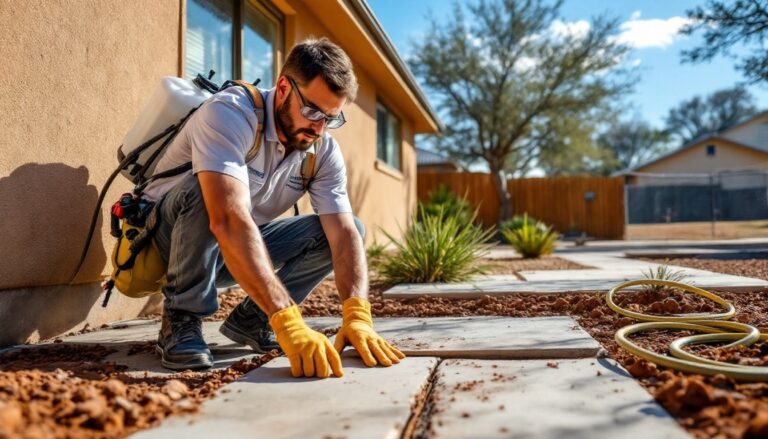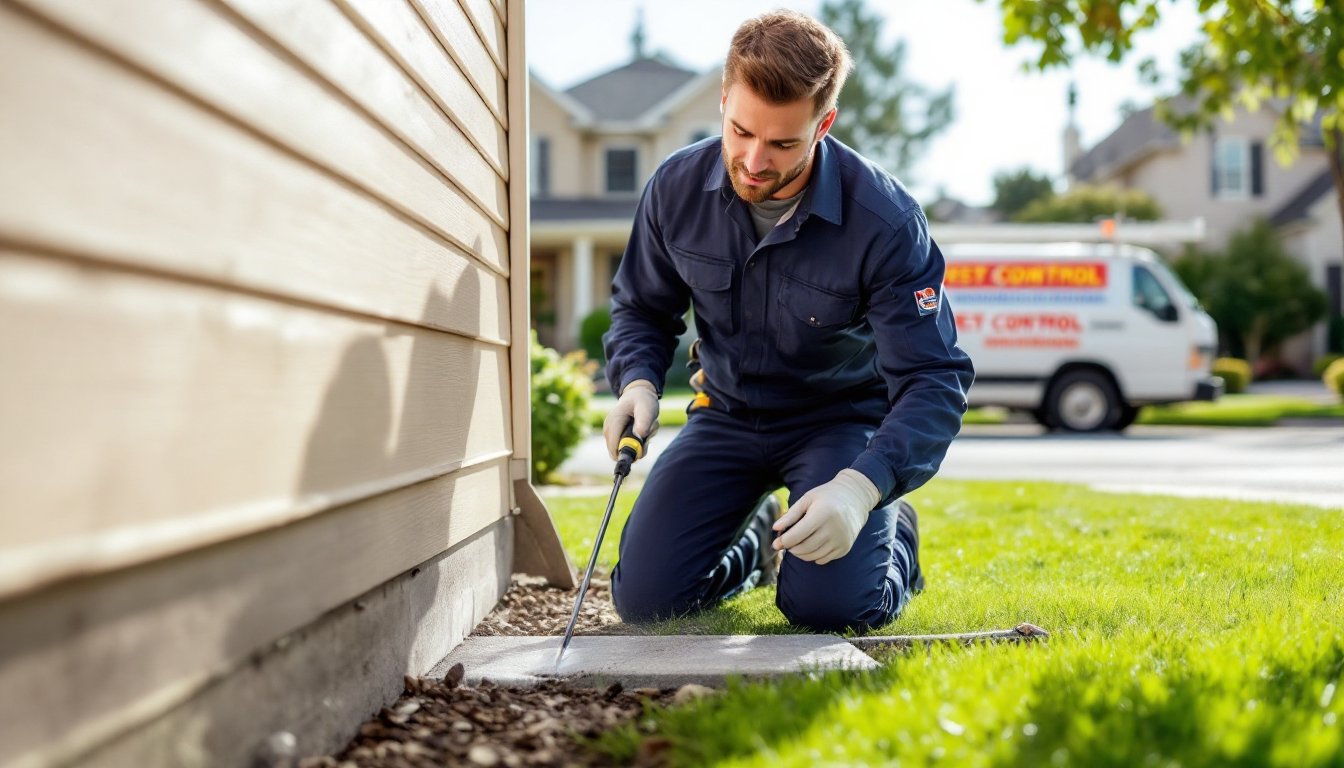

You’re not imagining it, that scratching in the walls, the mysterious droppings in the pantry, or the line of ants marching across your countertop at 2 a.m. are real problems that need real solutions. Pest infestations don’t just happen to “other people’s houses,” and ignoring them won’t make them disappear. Whether you’re dealing with termites threatening your home’s structural integrity, rodents chewing through electrical wiring, or seasonal invaders like stink bugs and box elder beetles, understanding your pest control options is critical. Bright Pest Control has built a reputation as a regional player offering professional-grade treatments for homeowners who’ve tried the DIY route and realized some battles require backup. This guide breaks down what the company offers, what you’ll pay, and whether their services make sense for your situation.
Table of Contents
ToggleKey Takeaways
- Bright Pest Control specializes in Integrated Pest Management using chemical treatments, exclusion techniques, and environmental modifications to eliminate infestations at their source rather than just treating symptoms.
- Termites cause $5 billion in annual damage across the U.S., making professional detection and treatment—which ranges from $1,200–$2,500 for liquid barriers or $800–$1,500 for bait systems—essential compared to risky DIY approaches.
- Professional pest control becomes cost-effective when dealing with hidden infestations, specialized pesticides unavailable to consumers, or re-infestation cycles that DIY treatments can’t resolve.
- General quarterly pest control averages $75–$100 per visit, while rodent control starts at $200–$400 for initial service, and bed bug heat treatments run $1,500–$3,000—all with warranties that protect your investment.
- Ask potential pest control providers about inspection processes, product details, re-entry times, warranty coverage, and proof of state licensing before signing any contract to avoid hidden fees and scheduling issues.
What Is Bright Pest Control and Why Homeowners Choose It
Bright Pest Control operates primarily in the Louisville, Kentucky region and surrounding areas, providing residential and commercial pest management services. Founded as a family-owned operation, the company focuses on Integrated Pest Management (IPM) principles, combining chemical treatments, exclusion techniques, and environmental modifications to address infestations at their source rather than just treating symptoms.
Homeowners typically turn to Bright Pest Control when DIY solutions fail or when they’re dealing with pests that require specialized knowledge. Termites, for example, cause an estimated $5 billion in property damage annually in the U.S., and detecting them early requires trained eyes and moisture meters that most homeowners don’t own. Similarly, bed bug treatments demand heat equipment or professional-grade insecticides that aren’t available at hardware stores.
The company’s appeal lies in its regional focus. Unlike national franchises that follow cookie-cutter protocols, local operators like Bright understand Kentucky-specific pest pressures, brown recluse spiders in basements, carpenter ants in aging hardwoods, and the seasonal surge of Asian lady beetles every fall. They’re also familiar with local building codes and can coordinate with inspectors if treatments require access to structural components like crawl spaces or attic joists.
Safety credentials matter. Technicians should carry state pest control licenses (in Kentucky, that’s through the Department of Agriculture’s Office of State Entomologist) and use EPA-registered products. Always ask to see documentation.
Core Services and Treatment Options Available
Bright Pest Control’s service lineup covers the spectrum of residential pest challenges. Here’s what they typically offer:
General Pest Control:
Quarterly or bi-monthly treatments targeting ants, spiders, roaches, silverfish, and other common invaders. Technicians apply barrier treatments around foundations, entry points, and known nesting areas using products like bifenthrin or fipronil-based insecticides. Expect interior crack-and-crevice treatments in kitchens, bathrooms, and utility rooms.
Termite Treatments:
Both liquid termiticides (applied in trenches around the foundation) and bait station systems (like Sentricon or Advance). Liquid treatments create a chemical barrier in the soil that kills termites on contact: bait stations use cellulose lures paired with slow-acting insect growth regulators that workers carry back to the colony. The choice depends on your home’s construction, soil type, and infestation severity. Termite work often requires drilling through concrete slabs or treating crawlspaces, this isn’t a one-hour job.
Rodent Control:
Trapping, exclusion, and population monitoring. Effective rodent control means sealing entry points (mice can squeeze through gaps as small as 1/4 inch) using copper mesh, caulk, or expanding foam rated for pest exclusion. Snap traps and bait stations go in attics, crawlspaces, and along runways. Poison baits carry risks if you have pets or children, so discuss placement carefully.
Bed Bug Treatments:
Heat treatments or chemical applications. Heat treatments raise room temperatures to 120-135°F for several hours, killing all life stages without chemicals. Chemical treatments require multiple visits and often combine contact killers with residual insecticides. You’ll need to prep extensively, washing linens, bagging belongings, and vacating the home during treatment.
Wildlife Removal:
Trapping and exclusion for raccoons, squirrels, bats, and opossums. Note that bat exclusion in Kentucky is restricted during May 1–August 15 to protect maternity colonies (Indiana bats are federally protected). Wildlife work may require separate licensing, so confirm the company’s credentials.
Effective bug problem solutions often combine multiple approaches rather than relying on sprays alone.
Pricing, Plans, and What to Expect From Your Investment
Pest control pricing varies wildly based on property size, infestation severity, and treatment type. Here’s a realistic breakdown for 2026:
General Pest Control:
Expect $100–$150 for an initial treatment on a standard 1,500–2,000 sq. ft. home, then $75–$100 per quarterly visit. Annual contracts often bundle four visits at a discount, around $300–$400 total. Prices climb for larger homes or properties with heavy landscaping (more perimeter to treat).
Termite Treatments:
Liquid barrier treatments run $1,200–$2,500 depending on linear footage and whether your home has a slab foundation (requires drilling) or crawlspace (easier access). Bait station systems cost $800–$1,500 upfront, plus $200–$300 annually for monitoring and bait replacement. Most companies include a warranty, typically one year for liquid treatments, longer for bait systems if you maintain the monitoring contract.
Rodent Control:
Initial service (inspection, trapping, exclusion) costs $200–$400. Follow-up visits for trap checks and additional sealing run $75–$125 each. Extensive exclusion work, like screening foundation vents or installing chimney caps, adds to the total. According to HomeAdvisor, national averages for rodent control range from $300–$550, but complex jobs can hit $1,000+.
Bed Bug Treatments:
Heat treatments start around $1,500–$3,000 for a multi-room treatment. Chemical treatments are cheaper upfront ($500–$1,200) but often require two or three visits spaced weeks apart.
Payment Plans:
Many pest control companies offer financing for big-ticket items like termite treatments. Ask about 12-month, interest-free options if you’re facing a $2,000 bill unexpectedly.
Insurance and Warranties:
Termite treatments should include a warranty covering re-treatment if termites return. Read the fine print, some warranties void if you skip annual inspections or make structural changes without notifying the company.
How Bright Pest Control Compares to DIY Pest Management
DIY pest control works beautifully for minor, isolated problems. Spot-treating an ant trail with borax bait or sealing a single entry point costs under $20 and gives you immediate control. But there’s a threshold where DIY becomes expensive guesswork.
When DIY Makes Sense:
- Surface-level infestations: A few ants, occasional spiders, or stink bugs clustering on windows.
- Preventive maintenance: Caulking gaps, installing door sweeps, and keeping mulch 6 inches away from siding.
- Budget constraints: You’re between paychecks and need a stopgap until you can afford professional help.
Homeowners interested in natural approaches can explore organic pest control methods that use essential oils, diatomaceous earth, and beneficial insects.
When Professionals Are Worth It:
- Hidden infestations: Termites in wall voids, bed bugs in outlets, or rodents in crawlspaces require detection tools (moisture meters, thermal cameras, borescopes) that cost hundreds of dollars.
- Pesticide application: Products like Termidor (fipronil) or Altriset (chlorantraniliprole) aren’t sold to unlicensed consumers. Professional applicators know proper mixing ratios, application rates, and legal restrictions.
- Safety risks: Climbing into attics in July heat, handling rat carcasses, or working around live electrical while treating roach nests, some jobs aren’t worth the personal risk.
- Re-infestation cycles: If you’ve bombed for roaches three times and they keep coming back, you’re treating symptoms, not the colony. Pros identify harborage areas and breeding sites.
Cost Comparison:
A DIY termite bait station kit costs $50–$80 but requires you to monitor monthly, identify worker termites, and know when to escalate. Miss the signs, and you’re looking at thousands in structural repairs. A professional treatment costs more upfront but includes inspection expertise, warranty coverage, and access to commercial-grade products.
For businesses facing infestations, commercial pest control offers specialized protocols that meet health department standards, something DIY can’t replicate.
Customer Experience: What Real Homeowners Are Saying
Customer reviews provide ground-level insight into how a pest control company operates day-to-day. For Bright Pest Control, feedback patterns reveal both strengths and friction points.
Positive Feedback:
Homeowners consistently praise responsiveness, same-day or next-day appointments for urgent issues like wasp nests near entryways or rodent sightings. Technicians who take time to explain treatment plans, point out entry points, and offer prevention tips earn high marks. One Louisville-area review highlighted a tech who crawled into a tight crawlspace to set traps rather than just treating the perimeter.
Common Complaints:
Scheduling inconsistencies appear in some reviews, techs arriving outside promised windows or last-minute reschedules without notice. This is frustrating when you’ve prepped a home for bed bug treatment or taken time off work. Pricing transparency also comes up: some customers report surprise fees for additional services like attic inspections or extra bait stations.
What to Ask Before Signing:
- “What’s included in the base price vs. add-ons?” Get it in writing.
- “What happens if the problem persists?” Good companies offer free callbacks within a set window (30–90 days).
- “Who will be my primary tech?” Consistency matters, the same tech learns your property’s quirks.
Red Flags:
Any company that pushes high-pressure sales tactics (“This price expires today.”) or refuses to provide proof of insurance and licensing should be avoided. Reputable operators understand that pest control is a trust-based business.
Is Bright Pest Control Right for Your Home?
Choosing a pest control provider comes down to matching your needs with the company’s strengths and service area. Bright Pest Control fits specific scenarios well:
You’re a Good Fit If:
- You live in their service area (Louisville metro and surrounding Kentucky counties).
- You prefer working with a locally owned company that understands regional pest pressures.
- You need specialized treatments (termites, bed bugs, wildlife) that exceed DIY capabilities.
- You value relationship-based service, knowing your tech’s name and having direct contact for questions.
Look Elsewhere If:
- You’re outside their geographic footprint.
- You want a national brand with 24/7 call centers and app-based scheduling.
- Your priority is the absolute lowest price (national franchises often undercut local companies on general pest control).
- You’re dealing with a pest they don’t treat, some companies don’t handle certain wildlife or wood-boring beetles.
Questions to Ask During a Consultation:
- “What’s your inspection process?” A thorough initial visit should take 30–60 minutes and include crawlspace/attic checks.
- “Which products will you use, and what are the re-entry times?” Know what’s being applied and when it’s safe for kids and pets to return.
- “Do you offer integrated pest management, or just chemical treatments?” IPM combines exclusion, sanitation, and targeted treatments for long-term results.
- “What does your warranty cover, and what voids it?” Understand your obligations (annual inspections, etc.).
For broader pest management strategies, the pest control resources at iluvenvy.com cover everything from prevention to emergency responses.
A Final Word on Permits:
Most residential pest control doesn’t require homeowner permits, but structural modifications (like cutting into walls for termite access) might trigger building code requirements. If your contract includes drilling, trenching, or significant exclusion work, confirm who pulls permits and whether the cost is included.
Conclusion
Pest control isn’t glamorous, but it’s one of those home maintenance tasks that pays dividends in peace of mind and property value. Bright Pest Control offers solid, regionally focused services for homeowners who need more than a can of Raid and a prayer. Weigh your specific situation, severity of infestation, your comfort with DIY, and budget, against what professionals bring to the table: specialized tools, licensed products, and expertise that comes from crawling under hundreds of houses. Get multiple quotes, ask hard questions, and remember that the cheapest option isn’t always the smartest when you’re protecting a six-figure investment. Whether you hire Bright or another provider, act quickly. Pests don’t wait, and neither should you.