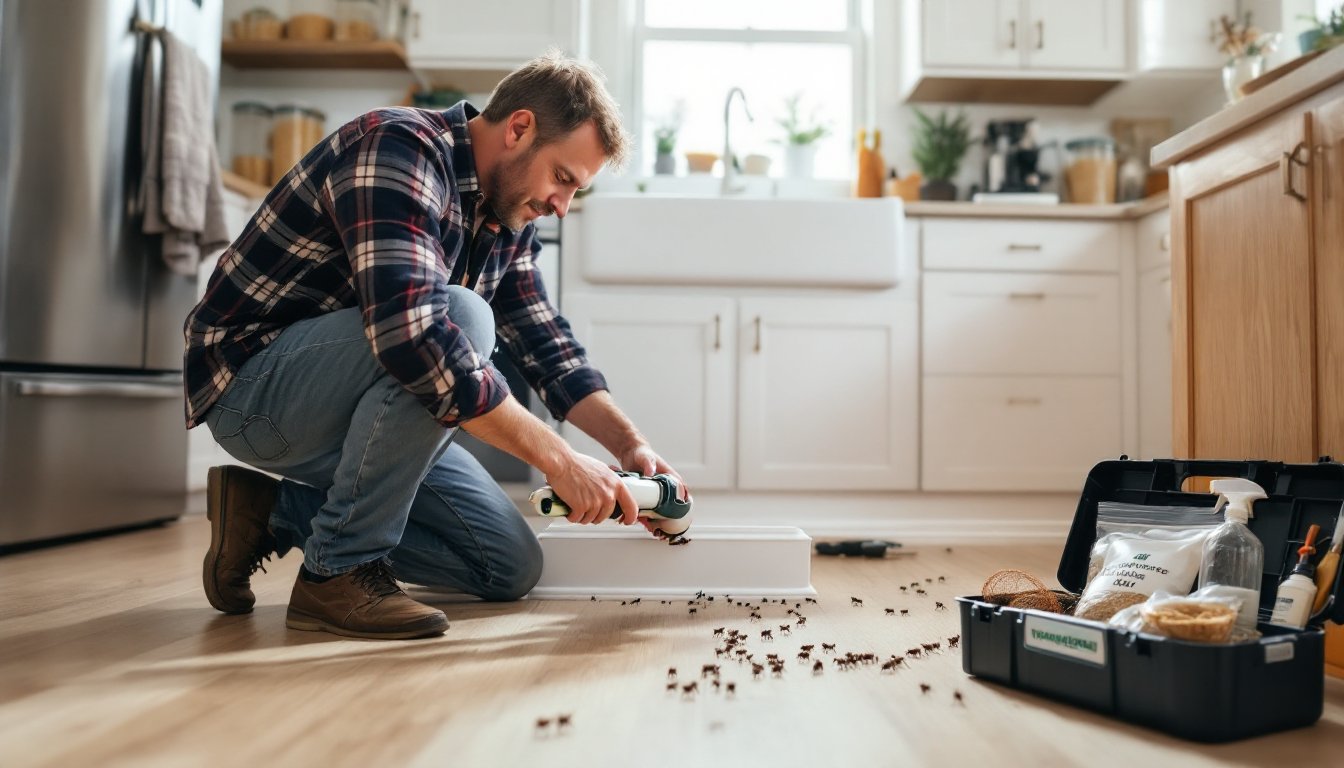

Bugs don’t ask permission before moving in. One day the house is yours, the next you’re sharing space with ants, roaches, or spiders that act like they own the place. The good news? Most household pest problems can be tackled with the right combination of prevention, treatment, and consistent maintenance, no fumigation tent required. This guide covers the warning signs to watch for, proven prevention tactics for every room, treatment options from vinegar sprays to professional-grade baits, and seasonal maintenance steps that keep bugs outside where they belong. Whether dealing with an active infestation or just trying to keep critters at bay, homeowners can regain control with practical strategies that work.
Table of Contents
ToggleKey Takeaways
- Bug house pest control begins with early detection—spotting carpenter ant frass, roach droppings, or termite mud tubes allows for cheaper and faster treatment.
- Seal foundation cracks, gaps, and entry points with caulk or mesh; maintain moisture control in kitchens and bathrooms; and trim vegetation away from siding to prevent pest entry.
- Start with the least toxic treatment options—diatomaceous earth, vinegar spray, and sticky traps—before escalating to gel baits or chemical perimeter sprays.
- Adjust pest prevention seasonally: inspect for termites in spring, maintain screens in summer, seal gaps before fall, and monitor stored items in winter.
- Call a licensed exterminator for termites, bed bugs, or infestations that persist after multiple DIY attempts; professionals have restricted-use pesticides and specialized equipment.
- Keep a maintenance log tracking when and where pests appear to identify patterns and allow for targeted, seasonal adjustments to your bug house pest control strategy.
Understanding Common Household Pests and Their Warning Signs
Identifying the enemy is half the battle. Different pests leave different clues, and spotting them early makes treatment easier and cheaper.
Ants show up in scout lines, usually trailing from a crack or gap to a food source. Carpenter ants leave behind frass (wood shavings mixed with insect parts) near baseboards or window sills, a sign they’re tunneling through structural wood. If the trail leads to moisture-damaged wood, that’s a red flag.
Cockroaches are nocturnal. If one scurries across the floor in broad daylight, there’s likely a larger population hiding behind appliances or inside wall voids. Look for dark droppings (resembling ground pepper) in cabinet corners, under sinks, or along baseboards. A musty odor in kitchens or bathrooms can also indicate a roach problem.
Spiders themselves aren’t usually the issue, they’re hunting other bugs. An uptick in webs, especially in basements, garages, or window corners, often means there’s a steady food supply of smaller insects. Common house spiders are harmless, but seeing brown recluses or black widows (both have distinct markings) warrants caution and potentially professional intervention.
Termites leave mud tubes running up foundation walls, hollow-sounding wood when tapped, and discarded wings near doors or windows during swarming season (usually spring). This is structural work territory, call a licensed inspector if any of these appear.
Bed bugs leave small rust-colored stains on sheets, a sweet musty smell, and itchy bite clusters on skin. Check mattress seams, box springs, and headboard crevices with a flashlight.
Rodents (mice and rats) chew through packaging, leave droppings shaped like rice grains (mice) or larger pellets (rats), and create greasy rub marks along walls where they travel. Gnawed wires or insulation in attics and crawl spaces are common indicators.
Early detection matters. A few ants are manageable: a colony nesting in wall voids requires a different approach.
DIY Bug Prevention Strategies for Every Room
Prevention beats treatment every time. Most bugs enter through gaps, cracks, or open invitations like standing water and food debris.
Start with sealing entry points. Inspect the foundation, window frames, door sweeps, and utility penetrations (pipes, vents, cables). Use silicone caulk for gaps under ¼ inch, expanding foam for larger voids (cut flush after curing), and copper mesh or steel wool for holes around pipes, rodents can’t chew through metal. Replace damaged weatherstripping on doors and add door sweeps if there’s a visible gap to the threshold.
Kitchens are pest magnets. Store dry goods (flour, cereal, pasta) in airtight containers, polypropylene or glass with gasket lids work best. Wipe down counters nightly, sweep crumbs, and don’t leave dirty dishes overnight. Check under the sink for leaks: even a slow drip creates a water source. Pull out the refrigerator and stove twice a year to vacuum and mop behind them, grease and crumbs accumulate fast.
Bathrooms need moisture control. Run the exhaust fan during and for 20 minutes after showers to reduce humidity. Fix leaky faucets and check caulk around tubs and sinks annually. Silverfish and roaches thrive in damp environments.
Basements and crawl spaces should stay dry and well-ventilated. Use a dehumidifier if relative humidity exceeds 50% (check with a hygrometer). Store firewood, cardboard boxes, and paper goods off the floor on shelves or pallets. Cardboard attracts roaches and provides nesting material for rodents.
Exterior perimeter maintenance is critical. Trim shrubs and tree branches so they don’t touch siding, bugs use them as highways. Keep mulch at least 6 inches away from the foundation: it holds moisture and attracts termites. Clean gutters regularly: clogged gutters overflow and create damp conditions against fascia and siding. Ensure downspouts direct water at least 3 feet away from the foundation.
Install mesh screens (⅛-inch hardware cloth) over attic vents, chimney caps, and crawl space vents. Inspect window screens for tears and patch or replace as needed.
Outside lighting attracts bugs. Swap standard bulbs for yellow “bug” bulbs or warm-toned LEDs (2700K or lower), they’re less attractive to insects. Position lights away from entry doors when possible.
Natural and Chemical Treatment Options for Home Pest Control
Once bugs are inside, treatment depends on the pest type and severity. Start with the least toxic option that’ll work, then escalate if needed.
Homemade Remedies and Eco-Friendly Solutions
Diatomaceous earth (DE) is fossilized algae ground into a fine powder. It’s non-toxic to humans and pets but lethal to insects with exoskeletons. Sprinkle food-grade DE along baseboards, behind appliances, and in cracks where bugs travel. It dehydrates insects on contact. Wear a dust mask during application, it’s irritating to lungs. Reapply after vacuuming or if it gets wet.
Vinegar spray (equal parts white vinegar and water) disrupts ant trails and deters spiders. It won’t kill on contact but makes surfaces less appealing. Wipe down entry points and counters.
Essential oils like peppermint, eucalyptus, and tea tree repel many insects. Mix 10-15 drops per cup of water in a spray bottle. Results vary, and it won’t eliminate an infestation, but it’s useful for ongoing organic pest control in low-risk areas.
Boric acid is more potent. Mix it with powdered sugar (3:1 ratio) to create ant and roach bait. Place small amounts in bottlecaps behind appliances and under sinks, not where kids or pets can reach. Boric acid disrupts insect digestion: they carry it back to the colony.
Sticky traps (glue boards) work for monitoring and catching spiders, roaches, and even mice. Place them along walls and in corners. Check them weekly. They won’t solve an infestation but show where activity is highest.
For rodents, snap traps baited with peanut butter are reliable and reusable. Place them perpendicular to walls with the trigger end facing the baseboard. Wear gloves when handling. Avoid glue traps for mice, they’re inhumane.
When to Use Professional-Grade Products
Sometimes natural options don’t cut it. Gel baits (like Advion for roaches or Terro for ants) use slow-acting insecticides mixed with attractants. Insects eat the bait, return to the nest, and share it. Apply pea-sized dots in cracks, behind appliances, and near activity zones. Keep away from food prep areas and out of reach of children and pets.
Insect growth regulators (IGRs) like Gentrol disrupt reproduction cycles. They don’t kill adults but prevent nymphs from maturing. Useful for long-term roach and flea control. Apply as directed, usually as a spray or disc placed in cabinets.
Perimeter sprays (pyrethroids like bifenthrin or permethrin) create a chemical barrier around the foundation. Mix according to label directions and apply with a pump sprayer along the base of exterior walls, around windows, and door frames. Reapply every 60-90 days or after heavy rain. Wear gloves, long sleeves, and safety glasses. Keep pets and kids off treated areas until dry.
Aerosol contact killers (like Raid or Hot Shot) work for immediate knockdown of visible bugs but don’t address the source. Use sparingly and always follow label instructions.
Foggers (bug bombs) are rarely necessary and often misapplied. They don’t penetrate cracks where bugs hide and can pose fire hazards if used near pilot lights. If a situation seems to require fogging, it’s time to call a pro.
When to call a licensed exterminator: termites, bed bugs, large rodent infestations, or any pest problem that persists after multiple DIY attempts. Pros have access to restricted-use pesticides, specialized equipment (like heat treatment for bed bugs), and the training to apply them safely. For extensive bug problem solutions, the upfront cost often beats the long-term damage and frustration of ineffective DIY.
Seasonal Pest Control Maintenance Tips
Bugs follow predictable patterns. Adjust prevention and treatment tactics with the calendar.
Spring brings ants, termites, and wasps. Inspect the foundation for new cracks after winter freeze-thaw cycles. Reseal as needed. Check attic vents and eaves for wasp nests: remove small ones early with a freeze spray at dusk when insects are less active. Wear protective clothing, long sleeves, pants, gloves. For nests larger than a softball or in hard-to-reach spots, hire a pro. Termite swarms often happen in spring: if winged insects cluster near windows, schedule an inspection.
Flush gutters and downspouts. Standing water attracts mosquitoes, one bottlecap of water can host hundreds of larvae. Dump any containers holding water (buckets, tarps, toys).
Summer peaks for most insects. Maintain perimeter sprays and reapply after storms. Keep trash cans sealed and rinse recyclables before storing. Fruit flies breed in overripe produce and dirty drains, run hot water and a bit of dish soap down sinks weekly, and don’t let fruit sit out.
Check window and door screens for tears. Repair with patch kits (available at hardware stores) or replace damaged sections.
Fall is when rodents and spiders seek shelter indoors. Seal gaps before temperatures drop. Mice can squeeze through openings as small as ¼ inch (about the diameter of a pencil). Inspect garage doors, add a threshold seal if rodents are a recurring issue. Store birdseed, pet food, and grass seed in metal or heavy-duty plastic bins with tight lids.
Clean up leaf litter and debris around the foundation. Pests overwinter in mulch piles and woodpiles near the house.
Winter slows activity but doesn’t eliminate it. Insects already inside (like cluster flies or boxelder bugs) will hunker down in wall voids and attics. Vacuum them up as they appear: don’t crush them, some species release staining fluids. Check stored items in basements and attics for mouse droppings or chewed packaging. Set traps if needed.
Inspect firewood before bringing it inside. Stack outdoor firewood at least 20 feet from the house and off the ground on a rack. Bark beetles, carpenter ants, and spiders hitch rides on logs.
Year-round, keep a maintenance log. Note when and where pests appear, treatments applied, and results. Patterns emerge, like ants showing up every June near the same window, and allow targeted prevention. For homes with ongoing issues, services similar to those used in commercial pest control settings often offer quarterly plans that adjust tactics seasonally.
Conclusion
Effective pest control isn’t a one-time event, it’s an ongoing habit of sealing gaps, managing moisture, and staying ahead of the seasons. Homeowners who combine smart prevention with targeted treatments, whether natural or chemical, can keep bugs where they belong: outside. When a problem exceeds DIY capabilities, bringing in a licensed professional isn’t defeat, it’s smart project management.