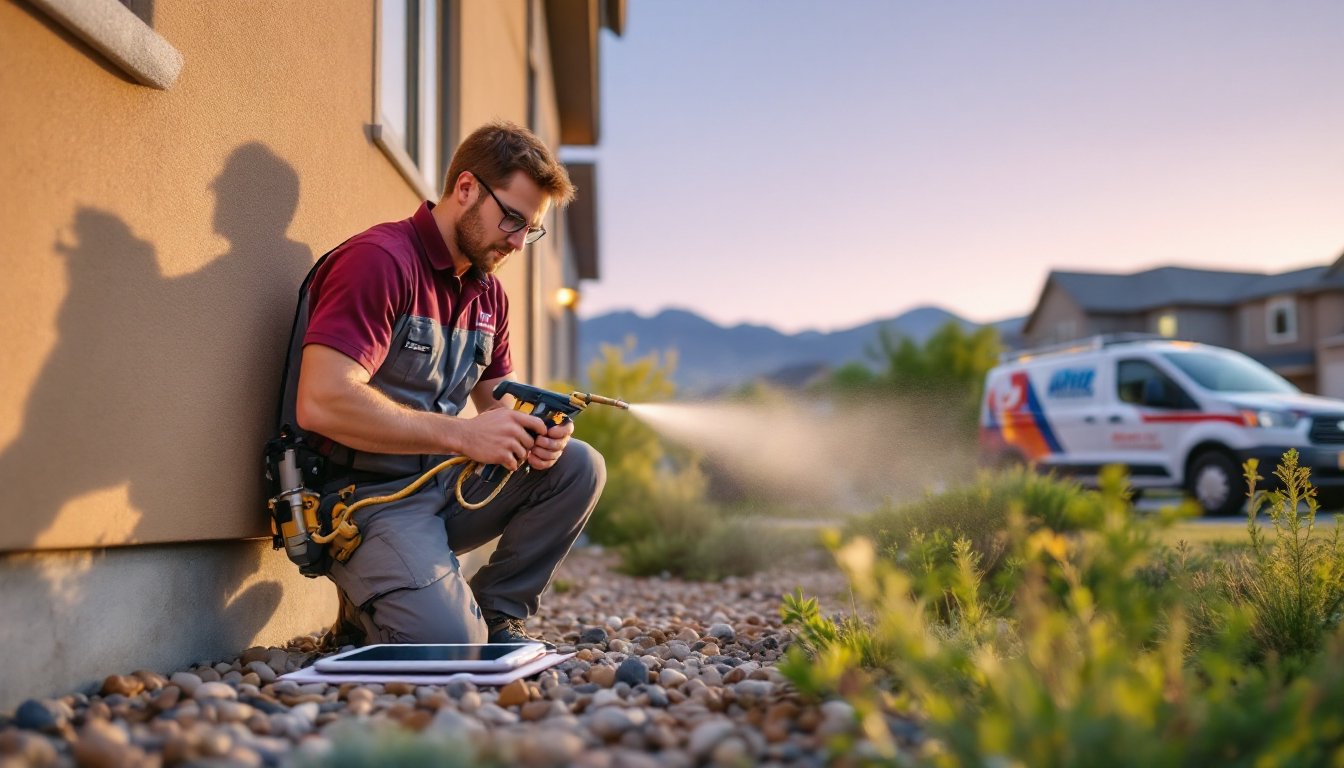

Denver homeowners face a unique pest landscape. From spring carpenter ants to fall rodents seeking warmth, the Mile High City’s semi-arid climate and seasonal swings create year-round challenges. Moxie Pest Control has positioned itself as a regional player offering subscription-based treatments and rapid response times. But does their approach fit the realities of Front Range pest pressure, and is their pricing model worth it compared to local competitors? This guide breaks down what Moxie offers Denver residents, the common invaders they target, and whether their services match the specific needs of homes along the urban corridor.
Table of Contents
ToggleKey Takeaways
- Moxie Pest Control Denver operates on a quarterly subscription model with unlimited re-treatments between visits, costing $450–$650 annually for most suburban homes and covering common pests like carpenter ants, rodents, and spiders.
- Denver’s semi-arid climate and seasonal extremes drive distinct pest patterns—carpenter ants in spring, box elder bugs in fall, and rodents in winter—requiring year-round integrated pest management beyond chemical sprays.
- Moxie Pest Control Denver technicians use state-licensed IPM techniques prioritizing exclusion and sanitation over pesticides, with digital service reports and consistent technician assignments that build property familiarity.
- Homeowners can reduce pest entry by 60–70% through DIY exclusion work (sealing foundation cracks, installing door sweeps, trimming vegetation), which works best when combined with professional pest control treatments.
- Moxie’s 4.2/5 Google rating reflects responsive callbacks and courteous service, but customers note inconsistent rodent control results and longer service windows during peak seasons compared to local operators.
- Moxie Pest Control Denver suits homes with consistent seasonal pest activity and properties requiring detailed service documentation, but sporadic pest issues or severe structural infestations may be better handled by specialists or pay-per-visit providers.
What Is Moxie Pest Control and How Does It Serve Denver Homeowners?
Moxie Pest Control is a national franchise-based company that launched in 2015, expanding into Colorado’s Front Range market in recent years. Unlike traditional one-off exterminator visits, Moxie operates on a quarterly service subscription model: technicians treat the home’s perimeter, entry points, and common nesting areas every 90 days, with unlimited re-treatments between visits if pests reappear.
In Denver, Moxie’s service area covers the metro region from Boulder County south through Douglas County, including Aurora, Lakewood, Highlands Ranch, and surrounding suburbs. Their technicians are state-licensed applicators trained in Integrated Pest Management (IPM) techniques, which prioritize non-chemical controls (exclusion, sanitation, habitat modification) before resorting to pesticides.
Moxie’s scheduling system uses a zone-based routing model, meaning your quarterly visits are assigned based on geographic clusters rather than your preferred date. This keeps their overhead lower but offers less flexibility than some independent operators. Appointments typically arrive in 4-hour windows, acceptable for most homeowners, but potentially inconvenient if you need exact timing.
Their treatment products lean toward synthetic pyrethroids for exterior barrier sprays (bifenthrin, lambda-cyhalothrin) and baiting systems for ants and roaches. They offer a “green” service tier using plant-derived oils and desiccant dusts, though efficacy can vary with heavy infestations. Expect child and pet re-entry times of 2–4 hours for standard treatments, with treated surfaces dry to the touch within 30 minutes under typical Denver humidity levels.
Common Pest Problems Moxie Addresses in Denver Homes
Denver’s elevation, dry air, and temperature extremes create distinct pest patterns. Here’s what Moxie’s Denver crews encounter most often:
Carpenter Ants swarm in late spring (April–June) as snowmelt saturates wood trim, deck posts, and roof eaves. Unlike termites, they excavate galleries for nesting, not feeding. Moxie treats with perimeter sprays and targeted dust applications in wall voids, but structural repairs, replacing water-damaged sills or flashing, fall to the homeowner.
Box Elder Bugs congregate on south-facing siding every fall, seeking overwintering sites. They’re mostly a nuisance (they don’t bite or damage structures), but their sheer numbers can overwhelm homes near seed-bearing box elder or maple trees. Moxie’s fall treatments focus on cracks around windows and vents: sealing gaps with polyurethane caulk (not latex, which they chew through) is critical prep work.
Mice and Voles spike in October through December. Denver’s older neighborhoods, Park Hill, Washington Park, Capitol Hill, see higher rodent activity due to mature landscaping and alley access. Moxie places snap traps and bait stations in crawl spaces, garages, and attics, but exclusion is key: seal foundation cracks wider than ¼ inch, install door sweeps with neoprene gaskets, and trim shrubs 12 inches from siding.
Spiders (black widows, common house spiders, wolf spiders) are active year-round in basements and window wells. Moxie’s barrier treatments reduce prey insects, which naturally limits spider populations. De-webbing and reducing clutter in storage areas helps more than repeat spraying.
Occasional invaders, centipedes, earwigs, springtails, appear after heavy rains or rapid snowmelt. These don’t establish colonies indoors but indicate moisture issues. Moxie will treat, but fixing grading, downspout extensions, or sump pump discharge is the real solution.
Moxie’s Pest Control Services and Treatment Options
Moxie structures services around three tiers:
Traditional Plan covers general household pests (ants, spiders, roaches, silverfish, earwigs) with quarterly exterior treatments and interior spot-treatments as needed. Technicians spray a 3-foot barrier around the foundation, treat eaves and window frames, and inspect attics and crawl spaces. Unlimited callbacks are included if pests return between visits.
Premium Plan adds rodent control (traps, bait stations, monitoring) and includes treatments for wasps, hornets, and yellow jackets up to 15 feet from the structure. (Higher nests require a specialist and additional fees.) This tier suits homes with attached garages, sheds, or wooded lots where rodent pressure is constant.
Eco-Friendly Plan substitutes botanical oils (rosemary, peppermint, cedar) and diatomaceous earth for synthetic chemicals. It’s EPA Safer Choice–certified and reduces chemical exposure, but requires more frequent applications and doesn’t knock down heavy ant or roach infestations as quickly.
All plans include a 30-day money-back guarantee from the initial service date. If pests persist after re-treatment, Moxie refunds the first payment. Note that this doesn’t apply to bed bugs, termites, or wildlife (raccoons, squirrels), which require separate specialty contracts.
Pricing and Plans for Denver Residents
As of April 2026, Moxie’s Denver-area pricing runs:
- Traditional Plan: $85–$120 per quarterly visit for homes up to 2,500 sq. ft. Larger homes (3,000–4,000 sq. ft.) typically see $130–$160 per visit.
- Premium Plan: $140–$180 quarterly, depending on lot size and rodent trap count.
- Eco-Friendly Plan: $110–$150 quarterly, with mid-cycle re-treatments billed at $60 flat.
Initial setup visits cost $150–$250, covering the first comprehensive interior/exterior treatment and establishing the service schedule. Most Denver customers report total annual costs of $450–$650 for traditional service on a standard suburban lot. Pricing fluctuates by zip code, higher-density areas like LoDo or Cherry Creek pay premiums due to access challenges and parking logistics. HomeAdvisor data suggests regional pest control averages $300–$550 annually, placing Moxie at the upper-middle range but below boutique organic operators.
Contracts auto-renew quarterly. Cancellation requires 30 days’ notice before the next scheduled visit, or you’re billed for that cycle. No early termination fees if you cancel after the first year.
How Moxie Compares to Other Denver Pest Control Companies
Denver’s pest control market splits between national chains, regional franchises, and independent operators. Here’s how Moxie stacks up:
Orkin and Terminix offer similar quarterly models but typically charge $20–$40 more per visit in Denver metro. Their brand recognition and decades-long track records appeal to homeowners prioritizing stability, but their routing zones can be broader, leading to longer wait times for callbacks.
Local independents (like Bug Man Pest Control or Elevate Pest Control) often beat Moxie on price by $15–$30 per visit and provide more flexible scheduling. But, their capacity is limited, some book out 2–3 weeks during peak spring and fall seasons. If you value same-week callbacks, a larger operation like Moxie has the edge.
Aptive Environmental uses a similar subscription model and aggressive sales tactics (door-to-door canvassing). Their pricing undercuts Moxie by roughly 10%, but online reviews frequently cite hard-sell renewals and difficulty canceling contracts. Moxie’s cancellation process, while requiring notice, is more straightforward.
Natural/organic specialists (EcoTech Pest Management, Rocky Mountain Eco Pest) charge premium rates ($180–$250 quarterly) for USDA Organic–compliant treatments. These work well for light pest pressure but struggle with established infestations. Moxie’s eco-friendly tier splits the difference, though it’s not certified organic.
One advantage Moxie holds: their technicians carry tablet-based service reports with photos and treatment maps emailed post-visit. This documentation is useful if you’re selling a home or need records for HOA pest management requirements. Smaller operators often rely on paper invoices and verbal summaries. Many commercial pest control clients use similar digital tracking systems for compliance and auditing.
What Denver Customers Say: Reviews and Reputation
Online ratings for Moxie’s Denver operations as of April 2026:
- Google Reviews: 4.2/5 stars (580+ reviews)
- Better Business Bureau: A– rating (23 complaints in 36 months, most resolved)
- Yelp: 3.8/5 stars (140+ reviews)
Common praise centers on responsive callbacks and courteous technicians. Multiple reviewers note that Moxie honored their free re-treatment guarantee when ants or spiders reappeared between quarterly visits. Technicians typically text 30 minutes before arrival, which helps with scheduling.
Recurring complaints include inconsistent results with rodent control, several customers reported mice returning even though bait station placements, suggesting exclusion gaps weren’t identified or addressed. Another frustration: the 4-hour service windows can stretch to 5+ hours during peak seasons, inconvenient for work-from-home schedules.
A handful of negative reviews mention high-pressure sales calls after the initial service, pitching upgrades to premium plans or add-on termite inspections. While not as aggressive as some competitors, this sales approach rubs some homeowners the wrong way.
On Angi, Moxie earns solid marks for professionalism and punctuality, but a few customers felt the quarterly model was overkill for Denver’s relatively low termite and roach pressure compared to humid climates. If your pest issues are seasonal (box elder bugs in fall, ants in spring), a pay-per-visit arrangement with a local operator might be more cost-effective.
Positively, Moxie’s turnover rate for technicians appears lower than industry average. Several long-term customers mention seeing the same tech for 2+ years, which builds familiarity with the property and pest patterns.
Is Moxie Pest Control Right for Your Denver Home?
Moxie fits best if you:
- Own a home in a mature neighborhood with consistent ant, spider, or rodent activity. Quarterly treatments stay ahead of seasonal surges.
- Prefer the convenience of auto-scheduled service without managing appointments each time pests appear.
- Value unlimited re-treatments between visits. If you’re vigilant and call at the first sign of pests, this feature pays off.
- Need digital service records for property management, rentals, or resale documentation.
Moxie may not be the best choice if:
- Your pest issues are sporadic or single-event (one wasp nest, occasional spider). A one-time treatment from a local operator costs $100–$150 and solves the problem without a contract.
- You have severe structural pest problems, active termite swarms, extensive carpenter ant damage, or bat/raccoon infestations. These require specialists, not general pest control subscriptions.
- You’re highly cost-sensitive. Independent operators or smaller regional companies often charge 15–25% less for comparable service, especially on larger properties.
- You want same-day or next-day scheduling. Moxie’s routing system prioritizes efficiency over immediacy.
Before signing, walk your property and address exclusion basics: seal foundation cracks with hydraulic cement or polyurethane caulk, replace damaged weatherstripping (look for EPDM rubber door sweeps rated for temperature extremes), and trim vegetation away from siding. According to ImproveNet guides, most DIY exclusion work costs $50–$200 in materials and prevents 60–70% of common household pest entry. Chemical treatments work best when combined with mechanical barriers, not as a standalone solution.
If you decide to move forward, request a detailed initial inspection before committing to quarterly service. A good technician will identify moisture issues, structural gaps, and conducive conditions (woodpiles against the house, clogged gutters, dense groundcover) that need correction beyond pesticide applications. Any operator, Moxie or otherwise, who skips this step and jumps straight to spraying is treating symptoms, not causes.