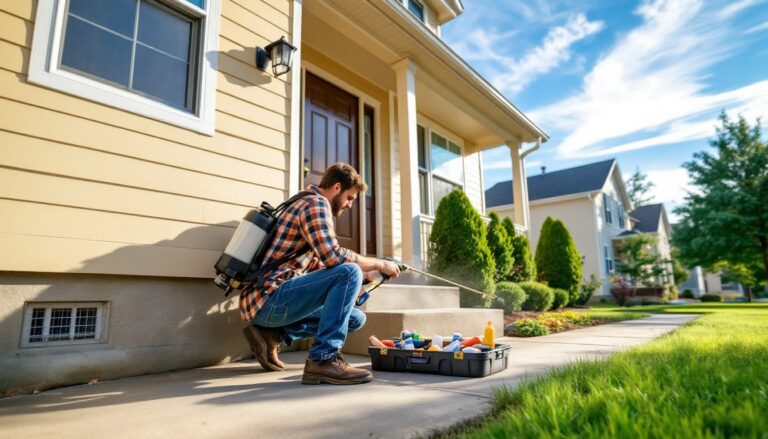
Florida’s humid subtropical climate makes Lakeland a magnet for pests year-round. From subterranean termites gnawing through floor joists to roof rats nesting in attic insulation, the threats are both numerous and costly. Understanding what’s crawling around your property, and when to take action, can save thousands in structural repairs and protect your family’s health. This guide breaks down the most common invaders, effective DIY strategies, when to call in the pros, and preventative measures that actually work in Central Florida’s unique environment.
Table of Contents
ToggleKey Takeaways
- Lakeland pest control requires year-round vigilance due to Florida’s humid subtropical climate, with termites, roof rats, and mosquitoes posing the greatest structural and health threats.
- Hire a licensed professional for termite treatments, large infestations, and bed bugs, but DIY methods like baits for ants, traps for rodents, and Bti dunks for mosquitoes are effective for isolated problems.
- Sealing building envelopes, managing moisture, trimming vegetation, and cleaning gutters prevent most pest infestations better than reactive treatments alone.
- Verify pest control service licensing through the Florida Department of Agriculture, request written estimates, and choose companies using integrated pest management (IPM) to minimize pesticide exposure.
- Monitor seasonal pest activity: termite swarmers in spring, mosquitoes in summer, rodents seeking shelter in fall, and roaches moving indoors in winter.
Common Pests Homeowners Face in Lakeland, Florida
Lakeland’s geography, nestled among lakes and citrus groves, creates perfect conditions for a variety of pests. Subterranean termites are the biggest structural threat. These insects build mud tubes up concrete block foundations and can compromise floor systems and wall studs before homeowners notice. A single colony can consume a half-pound of wood daily.
Roof rats (also called black rats) are the most common rodent issue. They access homes through gaps as small as ½ inch, often where roof sheathing meets fascia boards or around plumbing penetrations. Once inside, they chew through electrical wiring, a legitimate fire hazard.
German cockroaches thrive in kitchens and bathrooms. They’re not just unsightly: they spread pathogens and trigger asthma in children. Fire ants dominate outdoor spaces, building mounds that can damage irrigation systems and electrical junction boxes buried in yards.
Mosquitoes breed in standing water, common around Lakeland’s lakes and retention ponds. Beyond the nuisance, they carry diseases like West Nile virus and dengue fever. Chinch bugs destroy St. Augustine grass lawns during dry spells, creating dead patches that homeowners often mistake for drought stress.
When to Call a Professional vs. DIY Pest Control Solutions
Some pest problems require professional equipment and licensed applicators. Others are manageable with consumer-grade products and elbow grease.
Call a professional for:
- Termites. Treatments involve soil trenching, drilling through concrete slabs, or installing bait stations. Florida requires licensed applicators for termiticides containing chemicals like fipronil or imidacloprid.
- Structural infestations. If rodents are in wall cavities or attic spaces, pros have thermal imaging cameras and experience sealing entry points per IRC R302 fire-blocking requirements.
- Bed bugs. Heat treatments reach 120°F throughout entire rooms, not feasible for DIYers without industrial heaters.
- Large wasp or hornet nests near rooflines or in wall voids. Disturbing these without proper PPE (bee suit, respirator) is dangerous.
- Recurring problems. If you’ve treated twice and pests return, there’s likely a structural issue or harborage area you’re missing.
DIY Pest Control Methods That Actually Work
For isolated or early-stage problems, DIY solutions save money and give faster results than scheduling service calls.
Ant control: Baits with borax or fipronil (like gel formulations applied in pea-sized drops along baseboards) let worker ants carry poison back to colonies. Avoid spray killers, they just scatter ants and create satellite colonies.
Mosquito reduction: Eliminate standing water in gutters, plant saucers, and tarps. Bacillus thuringiensis israelensis (Bti) dunks dropped in bird baths or rain barrels kill larvae without harming pets or wildlife.
Rodent trapping: Snap traps baited with peanut butter work better than glue boards. Place them perpendicular to walls where droppings appear (rats travel along edges, not open floors). Wear nitrile gloves when handling traps, hantavirus is rare but present in Florida rodent populations.
Roach control: Boric acid powder dusted behind appliances and inside cabinet voids desiccates exoskeletons. It’s non-toxic to humans in small amounts but keep it away from food prep surfaces. Combine with gel baits containing hydramethylnon for faster knockdown.
Safety note: Always wear safety goggles and nitrile gloves when applying pesticides. Read labels completely, mixing products or applying indoors when labeled for outdoor use violates EPA regulations and voids homeowner’s insurance in some cases.
How to Choose the Right Pest Control Service in Lakeland
Not all pest control companies operate with the same standards. Here’s what separates competent operators from fly-by-night outfits.
Verify licensing. Florida requires pest control businesses to hold a state license and employ at least one certified operator. Ask for the license number and verify it through the Florida Department of Agriculture and Consumer Services.
Request written estimates. Pricing should break down initial treatment, follow-up visits, and materials. Typical quarterly service for a 1,500-square-foot home runs $75–$150 per visit, but termite contracts cost more.
Ask about treatment methods. Companies offering integrated pest management (IPM) focus on exclusion and habitat modification before chemicals. This approach reduces pesticide exposure indoors, important for homes with children or pets.
Check for warranty terms. Termite treatments should include annual inspections and retreatment guarantees. Read the fine print, some warranties void if you landscape near the foundation or install irrigation without notifying the company.
Look at local reputation. Online reviews help, but also ask neighbors. Pest control is hyper-local: a company familiar with Lakeland’s specific issues (like the surge in ghost ants near Lake Hollingsworth) brings valuable experience.
Understand the contract. Monthly plans lock you in but cost less per visit. Quarterly service offers flexibility. One-time treatments work for acute problems like a wasp nest but don’t prevent future infestations.
Preventative Pest Control Tips for Your Lakeland Home
Most pest problems start with structural gaps or moisture issues. Addressing these fundamentals prevents infestations better than any spray.
Seal the building envelope. Walk your home’s perimeter and caulk cracks where different materials meet: brick veneer and wood siding, foundation and sill plate, siding and window trim. Use polyurethane sealant for exterior gaps, it flexes with temperature changes better than acrylic.
Install door sweeps. Gaps under entry doors and garage doors are superhighways for roaches and rodents. Aluminum or nylon-bristle sweeps should contact the threshold when closed. Replace weatherstripping on door jambs if you see daylight around the edges.
Fix moisture problems. Leaking hose bibs, condensation on HVAC ducts, and poor drainage around foundations attract termites and roaches. Install splash blocks under downspouts to direct water at least 6 feet from the foundation. In crawl spaces, lay 6-mil polyethylene sheeting as a vapor barrier per IRC R408.2.
Trim vegetation. Keep shrubs at least 12 inches from siding so air circulates and you can inspect the foundation. Tree branches touching the roof give roof rats direct access to attics, trim back to 3 feet of clearance.
Store firewood properly. Stack it on a rack at least 20 feet from the house and 6 inches off the ground. Termites and carpenter ants colonize woodpiles, then migrate to structures.
Clean gutters quarterly. Debris-filled gutters overflow, soaking fascia boards and creating rot, prime termite habitat. While you’re up there, check that soffit vents have intact insect screening.
Mind your garbage. Use bins with tight lids and rinse recyclables. Rodents chew through plastic bags overnight. If you have a commercial pest control contract for a home-based business, trash management becomes even more critical.
Seasonal Pest Control: What to Watch For Throughout the Year
Pest pressure in Lakeland varies by season, though Florida’s mild winters mean no real break.
Spring (March–May): Termite swarmers emerge after rain. You’ll see winged insects around windows and light fixtures, a sign of nearby colonies. Subterranean termites swarm in daylight: drywood termites swarm at dusk. Either way, call a pro immediately. Spring also brings love bugs, harmless but acidic when smashed on car paint.
Summer (June–August): Mosquito season peaks. Apply DEET-based repellents (20–30% concentration) when working outdoors. Check window screens for tears, even ⅛-inch holes let mosquitoes inside. Fire ants are most active: treat mounds with baits containing spinosad or hydramethylnon in the evening when workers are foraging.
Fall (September–November): Rodents seek shelter as temperatures drop (slightly). Inspect attics for droppings and gnaw marks on electrical wiring. Roof rats prefer insulation for nesting: if you find compressed or shredded spots, set traps nearby. Resources like Today’s Homeowner offer seasonal maintenance checklists that include pest inspections.
Winter (December–February): Roach activity moves indoors. German cockroaches congregate near water heaters, dishwashers, and refrigerators. Check under sinks with a flashlight, if you spot one roach during the day, dozens are hiding. Apply gel bait in cracks behind appliances.
Conclusion
Pest control in Lakeland isn’t a one-and-done project, it’s ongoing maintenance like changing HVAC filters or cleaning gutters. Combining smart prevention (sealing gaps, managing moisture) with targeted treatments (baits for ants, traps for rodents) keeps most problems manageable. When structural pests like termites or large infestations appear, professionals bring expertise and equipment DIYers can’t match. Stay observant, act early, and your home stays protected year-round.