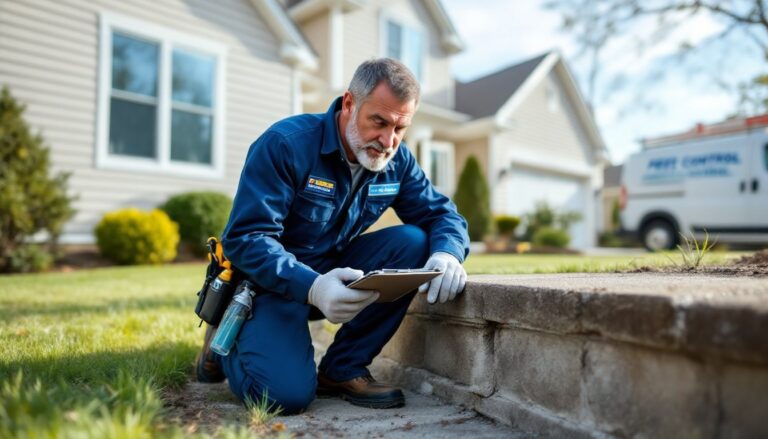

Pest control isn’t something most homeowners think about until there’s a problem, and by then, you’re Googling frantically at midnight while carpenter ants stream across your kitchen counter. HomeTeam Pest Control markets itself differently than the truck-and-spray outfits you’re used to seeing. They install a proprietary in-wall system during construction or renovation, promising ongoing protection without the quarterly interior visits. If you’re building new, remodeling, or just tired of the traditional pest control routine, here’s what you need to know about how HomeTeam works, what it costs, and whether it’s the right fit for your home.
Table of Contents
ToggleKey Takeaways
- HomeTeam Pest Control’s proprietary Taexx system delivers pest control directly into wall voids through in-wall tubing, eliminating the need for disruptive quarterly interior sprays.
- Installation during new construction is the most cost-effective scenario for HomeTeam pest control, while retrofitting existing homes typically costs $800–$2,500+ depending on accessibility.
- The Taexx system effectively targets crawling insects like ants, roaches, and spiders but is less effective against rodents, flying insects, and termites in most cases.
- HomeTeam pest control contracts require a 12-month minimum commitment with early termination fees, so evaluate long-term pest pressure and home plans before signing.
- The system is ideal for families with pets, young children, or chemical sensitivities since treatments remain out of living spaces, but you’re locked into HomeTeam’s service model.
- Get written estimates from at least two competitors before choosing HomeTeam, as franchise variability means service quality and pricing differ by location.
What Is HomeTeam Pest Control?
HomeTeam Pest Control is a residential pest management company operating as part of the Rollins family of brands (which also includes Orkin). What sets them apart is the Taexx system, a network of tubing installed inside wall voids during construction or added during remodeling. Instead of a technician spraying baseboards every quarter, the system delivers pest control product directly into the areas where pests live and travel: wall cavities, under slab gaps, and other concealed spaces.
HomeTeam franchises operate across much of the U.S., with a focus on new construction markets where builders can pre-install the Taexx system before drywall goes up. They also service existing homes with traditional exterior treatments and some retrofit installations, though retrofitting is more limited in scope.
The company targets homeowners who want a low-visibility, low-disruption solution. There’s no need to clear countertops, remove pets, or schedule around a tech walking through your living room. Treatments happen behind the scenes, typically on a quarterly basis, with a service visit that lasts minutes rather than an hour.
How HomeTeam’s Taexx System Works
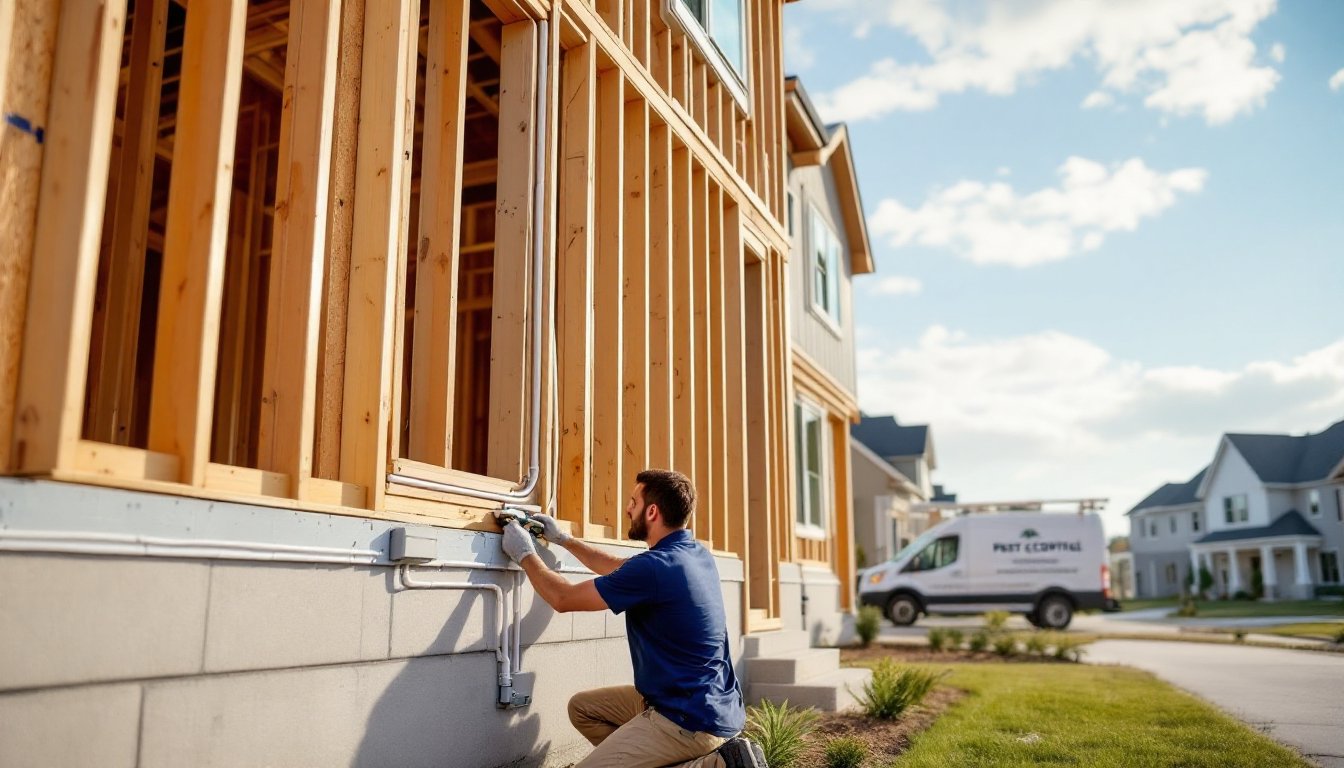
The Taexx Built-In Pest Control System consists of hollow tubing installed in wall cavities, typically routed along the bottom plates of framed walls before insulation and drywall installation. The tubing connects to exterior access ports mounted discreetly on the home’s foundation or siding. During a scheduled service visit, a technician injects liquid pest control product into the tubing under low pressure. The product flows through the network and disperses into wall voids, creating a treated barrier where pests enter and nest.
Installation timing matters. In new construction, the tubing is installed after framing and before insulation, which keeps labor costs and material waste low. For existing homes, installation options are limited, HomeTeam can sometimes route tubing through basements, crawlspaces, or attics, but full interior wall coverage isn’t practical without opening walls. Most retrofit customers get a hybrid approach: Taexx in accessible areas and traditional perimeter treatments elsewhere.
The system is designed for common crawling pests, ants, roaches, spiders, silverfish, that move through wall voids. It’s less effective against flying insects, rodents (which require traps and exclusion work), or termites in many cases, though some HomeTeam locations offer separate termite services. Homeowners should clarify coverage during the estimate.
One practical advantage: the Taexx system keeps treatment product out of living spaces, which appeals to families with young children, pets, or chemical sensitivities. The trade-off is you’re locked into HomeTeam’s service model for as long as the system is in place.
Services and Treatment Plans Offered
HomeTeam’s core offering is quarterly Taexx service: a technician visits every three months to inject product and inspect the exterior for pest activity or entry points. Plans typically include treatment for ants, roaches, spiders, crickets, and similar household pests. Some locations bundle in mosquito or tick treatments for the yard, though that’s not universal.
Termite protection is offered separately in most markets, either through traditional soil treatments, bait stations, or Taexx-based delivery in areas where it’s approved for termite use. Termite coverage requires an additional contract and inspection, and it’s worth noting that not all pest control products used in the Taexx system are labeled for termite control, ask specifically if that’s a concern.
For homes without the Taexx system, HomeTeam offers traditional exterior perimeter treatments. These work like any other pest control service: a technician sprays a barrier around the foundation, entry points, and potential harborage areas. Interior treatments are available on request, though the company’s marketing leans heavily on the Taexx system as the preferred solution.
Most plans come with a service guarantee: if pests return between scheduled visits, HomeTeam will come back at no extra charge. The details vary by franchise and contract, so read the fine print. Some guarantees exclude certain pests (like bedbugs or stored product pests), and others require you to maintain the quarterly schedule without gaps.
Homeowners also get access to online account management for scheduling, billing, and service history, a standard feature among national pest control providers but still a convenience worth mentioning.
Pricing and What to Expect
Pricing for HomeTeam services varies widely based on geography, home size, and whether you’re installing Taexx or using traditional treatments. As a rough benchmark, quarterly Taexx service typically runs $100–$200 per visit, with an upfront installation cost if you’re adding the system to an existing home. New construction installations are often bundled into the builder’s contract, sometimes at a discount.
Taexx installation costs for existing homes can range from $800 to $2,500+, depending on home size, accessibility, and how much of the system can be routed without opening walls. A 2,000-square-foot home with a full basement or accessible crawlspace will cost less to retrofit than a slab-on-grade ranch with no attic access. Get a detailed written estimate before committing.
Compare that to traditional pest control, which generally costs $75–$150 per quarterly visit from regional or national providers. The Taexx premium reflects the installation investment and the convenience of in-wall delivery, but it’s not always the most cost-effective choice for homes with light pest pressure.
Most contracts require a 12-month commitment, with automatic renewal unless you cancel in writing. Early termination fees are common, so factor that in if you’re planning to sell the home or switch providers. If you’re buying a home with Taexx already installed, the service contract may transfer to you, ask the seller and contact the local HomeTeam franchise to confirm terms.
Additional services like termite inspections, bedbug treatments, or wildlife exclusion come with separate pricing. Some franchises offer bundled packages: others price à la carte. Always ask for a written breakdown of what’s included in your base service versus what costs extra.
Pros and Cons for Homeowners
Pros:
- Low disruption. No need to prep your home for interior treatments or shuffle pets and kids out of the way. Service visits are quick and happen outside.
- Consistent coverage. The Taexx system delivers product into wall voids where pests actually live, rather than relying on surface sprays that degrade over time.
- Good for new builds. If you’re building a home, the installation is straightforward and relatively inexpensive compared to retrofitting later.
- Family-friendly. Keeping pest control products out of living spaces is a selling point for households with chemical sensitivities or crawling toddlers.
Cons:
- Higher upfront cost. Installing Taexx in an existing home is a significant investment, and it doesn’t make sense for every pest situation.
- Limited DIY flexibility. Once the system is in, you’re tied to HomeTeam for service. You can’t switch to a different company without losing the system’s functionality or facing bug problem solutions on your own.
- Not a universal solution. The Taexx system targets crawling insects. If your main issue is rodents, termites (in some cases), or flying pests, you’ll need additional services or a different approach entirely.
- Franchise variability. HomeTeam operates through local franchises, so service quality, pricing, and responsiveness can differ from one market to another. Check reviews for your specific area, not just the national brand.
- Contract commitment. Expect a one-year minimum with penalties for early cancellation. If you’re unsure about long-term pest pressure, a month-to-month service might be a better starting point.
Is HomeTeam Pest Control Right for Your Home?
HomeTeam makes the most sense in a few specific scenarios. If you’re building a new home, the Taexx system is worth considering, especially in areas with high pest pressure. The installation cost is lower during construction, and you’ll have long-term, low-maintenance coverage built into the home from day one. Work with your builder to get pricing and confirm the system will be installed before drywall.
If you’re remodeling and opening walls anyway, that’s another good opportunity to add Taexx without the retrofit premium. Coordinate with your contractor to route the tubing during the framing or insulation phase.
For existing homes with ongoing pest issues, evaluate whether the upfront investment makes sense. If you’re dealing with persistent ants, roaches, or spiders and you plan to stay in the home for several years, the convenience and effectiveness of in-wall treatment can justify the cost. But if pest problems are seasonal or light, traditional perimeter treatments from a local provider might be more cost-effective.
HomeTeam is not the right fit if you prefer to handle pest control yourself, if you’re planning to sell soon, or if your main pest issues involve rodents, termites (depending on your market), or stored product pests like pantry moths. In those cases, targeted treatments or exclusion work will serve you better.
Before signing a contract, get estimates from at least two other providers, ideally a regional company and a national competitor. Platforms like Angi and HomeAdvisor can help you compare local pest control options and read verified customer reviews. For general pest management advice and seasonal checklists, Today’s Homeowner offers solid homeowner resources. Also consider whether you’d benefit from understanding commercial pest control approaches if you run a home-based business.
Ask each company about their guarantee, contract terms, and what happens if you sell the home or want to cancel. A reputable provider will give you straight answers and a written estimate with no pressure to sign on the spot.
Conclusion
HomeTeam Pest Control offers a unique approach that works well in the right context, new construction, remodels, or homes with persistent crawling pest issues. The Taexx system delivers convenience and keeps treatments out of living spaces, but it comes with a higher upfront cost and long-term service commitment. Do your assignments, compare local options, and make sure the system matches your pest pressure and budget before you commit.