
West Texas homeowners know the drill: scorching summers, unpredictable rains, and pests that treat your house like an all-you-can-eat buffet. Abilene’s climate, hot, dry, with pockets of humidity, creates perfect conditions for everything from termites to scorpions. Whether you’re dealing with an active infestation or want to prevent one, understanding local pest behavior and your control options is essential. This guide walks through identification, prevention, professional treatments, and how to choose a reliable pest control company in Abilene. No fluff, just practical steps to protect your investment and keep your home livable.
Table of Contents
ToggleKey Takeaways
- Abilene pest control requires understanding local threats like termites, scorpions, and fire ants, which thrive in West Texas’s hot, dry climate with seasonal humidity.
- Professional pest control is essential for active termite infestations, recurring cockroach problems, and rodent invasions in attics or walls, as DIY methods cannot match specialized treatments and exclusion work.
- Preventive maintenance—sealing foundation gaps, controlling moisture, trimming landscaping, and storing firewood away from the house—reduces pest-related repair costs by up to 60%.
- When choosing an Abilene pest control company, verify Texas Department of Agriculture licensing, ask about local experience and treatment methods, and expect quarterly visits starting at $75–$150 per service.
- Most pest problems in Abilene require ongoing monitoring rather than one-time fixes, so view pest control as a long-term partnership with quarterly inspections and barrier maintenance.
Common Pests in Abilene and How to Identify Them
Abilene sits in a transition zone where desert species and southern pests overlap. Knowing what you’re up against helps you respond faster and choose the right treatment.
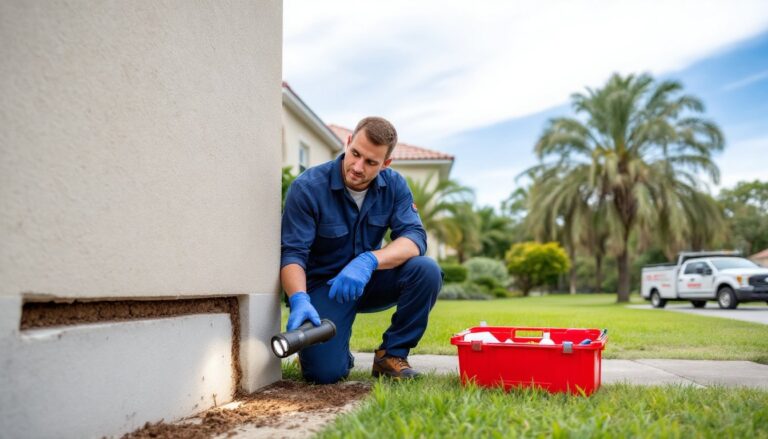
Termites are the biggest threat to structural integrity. Subterranean termites build mud tubes along foundation walls, slab edges, and pier-and-beam supports. Look for pencil-thin mud tunnels on concrete, discarded wings near windows in spring, or hollow-sounding wood when tapped. Drywood termites are less common here but can infest attic framing.
Scorpions, particularly the striped bark scorpion, hide in rockwork, wood piles, and wall voids. They glow under UV blacklight, making nighttime inspections easier. Stings are painful but rarely dangerous to healthy adults. Kids and pets are more vulnerable.
German cockroaches thrive in kitchens and bathrooms. They’re small (½ inch), tan with two dark stripes behind the head, and breed fast. American cockroaches (the big ones, up to 2 inches) prefer sewers and crawl spaces but wander indoors during heat waves.
Fire ants build mounds in lawns, flowerbeds, and along sidewalks. Disturb a mound and you’ll get swarmed, they bite to anchor, then sting repeatedly. Colonies can have multiple queens and spread quickly.
Rodents (roof rats and house mice) enter through gaps as small as ¼ inch. Look for droppings in pantries, gnaw marks on baseboards, and grease trails along walls. You’ll often hear them in attics at night.
Spiders like black widows and brown recluses prefer dark, undisturbed areas, garages, sheds, closets. Black widows have a red hourglass mark: brown recluses have a violin-shaped mark on the back. Both are venomous and require caution.
When to Call a Professional Pest Control Service
Some pest problems are beyond DIY traps and sprays. Here’s when to pick up the phone.
Active termite infestations require professional treatment. Liquid termiticides, bait systems, and fumigation (for drywood termites) need specialized equipment and licensing. Termite damage isn’t covered by homeowners insurance, so early intervention saves thousands.
Recurring cockroach problems even though cleaning and baiting suggest a hidden nest or entry point you’re missing. Pros use insect growth regulators (IGRs) and residual sprays that DIY products can’t match.
Scorpion presence indoors means they’re finding easy access. Professionals apply barrier treatments around the foundation and use dusts in wall voids. This isn’t a one-and-done fix, Abilene scorpions are persistent.
Large fire ant colonies or multiple mounds need broadcast treatments. Pros use granular baits and mound drenches that kill the queen(s), not just surface workers.
Rodent infestations in attics or walls require exclusion work, sealing entry points with hardware cloth, metal flashing, or expanding foam rated for rodent control. Trapping alone won’t solve it. If you’re hearing scratching nightly, call someone.
Brown recluse or black widow spiders in living areas warrant professional treatment, especially if you have young children. Professionals know where to apply residual sprays and how to reduce harborage areas.
Most commercial pest control contracts include quarterly visits, which many homeowners find valuable for year-round monitoring. If you’re seeing multiple pest types or evidence of structural damage, don’t wait.
DIY Pest Prevention Tips for Abilene Homeowners
Prevention beats treatment every time. West Texas conditions require proactive maintenance, not just reactive spraying.
Landscape management matters. Keep mulch and soil at least 6 inches below siding or brick veneer. Termites need moisture and wood contact, don’t give them both. Trim tree branches and shrubs 2 feet away from the roofline to eliminate rodent highways.
Firewood storage should be at least 20 feet from the house, stacked on a rack, and covered. Never store wood in the garage or against exterior walls. Scorpions, spiders, and termites love wood piles.
Irrigation control is critical. Overwatering creates moist soil that attracts termites and encourages fungus that feeds them. Fix leaky hose bibs, sprinkler heads, and downspout drainage. Make sure gutters drain away from the foundation.
Outdoor lighting attracts insects, which attract spiders and scorpions. Swap white bulbs for yellow “bug lights” or sodium vapor fixtures. Move lights away from doors if possible.
Trash and clutter are open invitations. Use lidded bins, rinse recyclables, and don’t let bags sit in the garage overnight. Clear storage areas, boxes, old furniture, and piles of junk provide harborage for roaches and rodents.
Seal Entry Points and Eliminate Moisture
Most pests enter through gaps you wouldn’t notice. Walk your home’s perimeter with a flashlight and a caulk gun.
Foundation and slab edges: Fill cracks wider than 1/16 inch with polyurethane or silicone caulk. Termites and ants exploit expansion joints and control joints. If you have a pier-and-beam foundation, inspect crawl space vents and access doors for gaps.
Doors and windows: Install door sweeps on exterior doors, especially garage doors. Replace worn weatherstripping. Check window screens for tears, even small holes let in roaches and flies.
Utility penetrations: Seal around pipes, electrical conduit, HVAC lines, and cable entry points with caulk or expanding foam. Rodents can squeeze through a gap the size of a dime.
Attic vents and soffits: Cover gable vents and soffit vents with ¼-inch hardware cloth if they’re not already screened. Roof rats are excellent climbers and will nest in insulation.
Interior moisture control: Fix leaky faucets, toilet seals, and under-sink drains immediately. Use a dehumidifier in damp crawl spaces or basements (rare in Abilene, but some older homes have them). Cockroaches and silverfish need water, cut off the supply.
According to recent data from ImproveNet, homeowners who invest in preventive sealing and moisture control reduce pest-related repair costs by an average of 60%. That’s cheaper than replacing rotted sill plates or subfloor sheathing.
What to Expect from Professional Pest Control Treatments
If you’ve never hired a pest control service, here’s what happens during a typical visit.
Initial inspection takes 30–60 minutes depending on home size. The technician checks the foundation perimeter, attic, crawl space, garage, and any reported problem areas. They’ll identify active pests, entry points, and conditions that attract infestations.
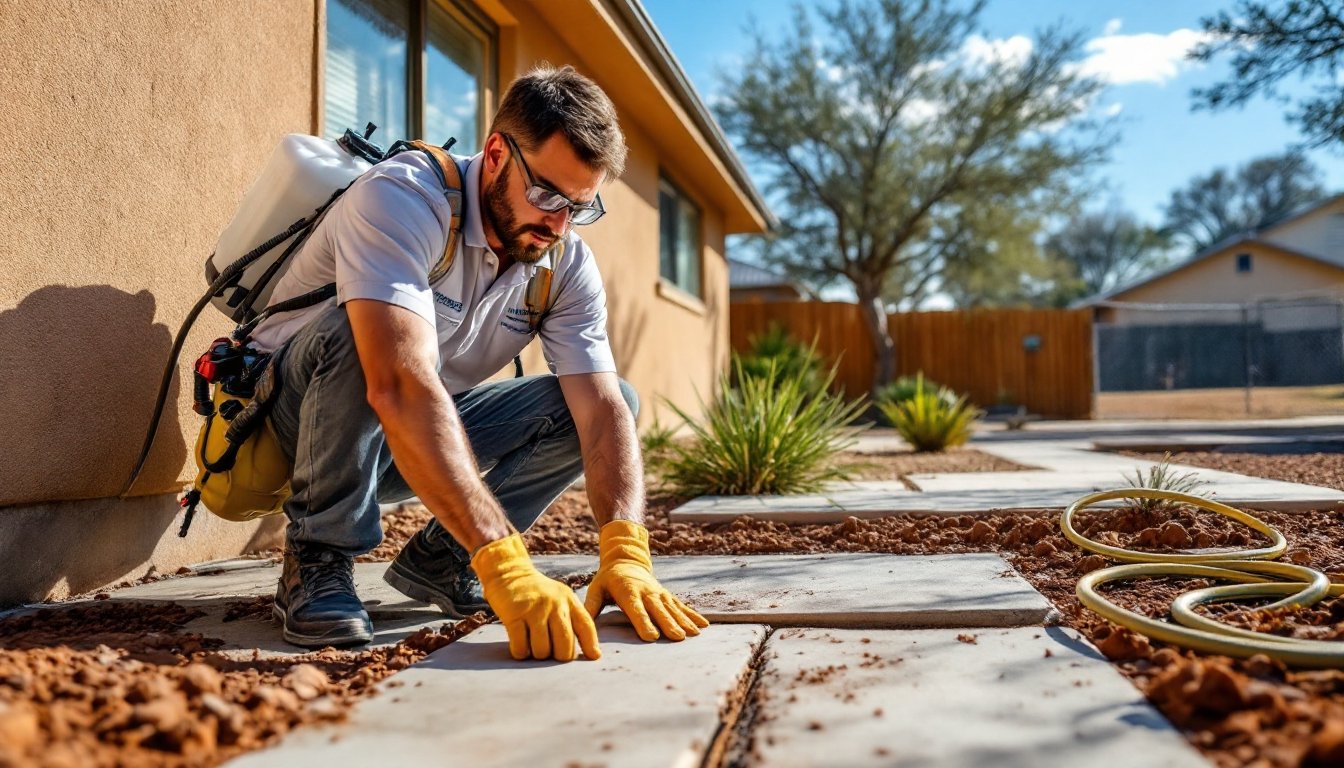
Treatment plan varies by pest. For general pest control, expect a perimeter spray using a residual insecticide (pyrethroids are common). This creates a barrier 3–6 feet wide around the foundation. Technicians may also apply granular bait in flowerbeds and along fence lines.
Interior treatment usually involves crack-and-crevice application in kitchens, bathrooms, and utility rooms. Gel baits for roaches, dusts for wall voids, and spot sprays for baseboards. If you have pets or kids, ask about the product’s re-entry time, most modern formulations dry within 1–2 hours.
Termite treatments are more involved. Liquid treatments require drilling through slabs or trenching around the foundation to create a continuous chemical barrier. Bait stations are installed around the perimeter and monitored quarterly. Drywood termite fumigation (rare in Abilene) means tenting the house and using sulfuryl fluoride gas, you’ll need to vacate for 24–48 hours.
Follow-up visits are standard. Most companies offer quarterly service, which includes re-application of exterior treatments and monitoring. Termite contracts typically include annual inspections.
Safety precautions: Pros should wear PPE (gloves, respirators for confined spaces) and provide a pesticide application record with active ingredients, concentrations, and target pests. If they don’t, ask for it, it’s required by law.
Many bug problem solutions involve ongoing monitoring, not one-time treatments. Pests in Abilene are year-round, so expect a partnership, not a quick fix.
Choosing the Right Pest Control Company in Abilene
Not all pest control companies are created equal. Here’s how to vet them.
Licensing and certification: Texas requires pest control companies to hold a structural pest control license issued by the Texas Department of Agriculture. Technicians must be certified applicators. Ask to see credentials, if they hesitate, walk away.
Experience with local pests: A company that handles termites in Houston may not know Abilene’s scorpion patterns. Ask how long they’ve operated in the area and what their most common service calls are.
Treatment methods and products: Get specifics. What active ingredients do they use? Do they offer Integrated Pest Management (IPM), which combines chemical treatments with exclusion and habitat modification? Avoid companies that only push the most expensive option without explaining alternatives.
Guarantees and warranties: Reputable companies offer re-treatment if pests return between scheduled visits. Termite contracts should include a damage warranty (coverage amounts vary). Read the fine print, some warranties are voided if you skip inspections or make structural changes.
Transparent pricing: Get a written estimate before work begins. Prices vary by home size, pest type, and treatment frequency. As of 2026, quarterly general pest control in Abilene typically runs $75–$150 per visit. Termite treatments range from $800–$2,500 depending on method and home size. Beware of lowball quotes, they often upsell once onsite.
Customer reviews: Check Angi’s List and HomeAdvisor for verified reviews. Look for patterns: consistent complaints about scheduling, upselling, or ineffective treatments are red flags. A few negative reviews among hundreds aren’t disqualifying, but pay attention to how the company responds.
Communication: Do they answer the phone? Return calls promptly? Provide clear invoices and service records? Good communication during the sales process usually means good service later.
Conclusion
Abilene’s pest pressures are real, but they’re manageable with the right approach. DIY prevention, sealing gaps, managing moisture, and keeping a tidy perimeter, stops most problems before they start. When pests break through, knowing when to call a pro and how to choose one saves time, money, and stress. Whether you’re dealing with termites chewing through floor joists or scorpions hitching rides in your laundry, a proactive strategy beats reactive panic every time.