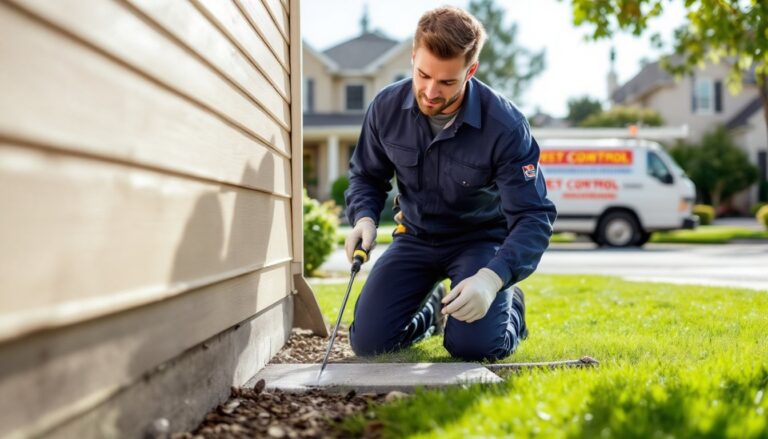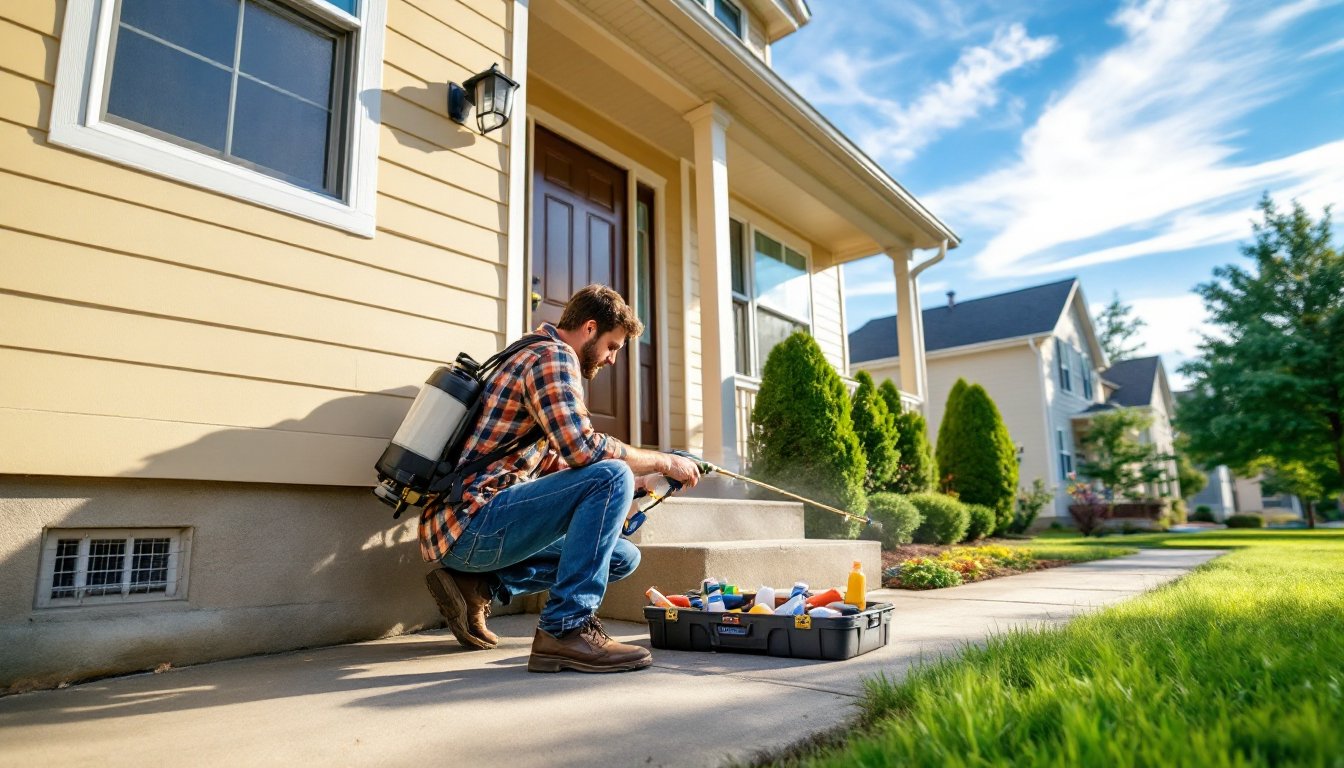

No homeowner wants to share their space with unwelcome guests, especially the six-legged, scurrying, or flying kind. Pest infestations aren’t just a nuisance: they can damage your home’s structure, contaminate food, and pose health risks to your family. Whether you’re dealing with ants in the kitchen, mice in the walls, or spiders in the basement, a solid home defense pest control strategy can stop problems before they spiral out of control. This guide walks through what home defense pest control really means, why it matters, how to identify common invaders, and the most effective DIY and professional solutions available in 2026.
Table of Contents
ToggleKey Takeaways
- Home defense pest control is a proactive, layered approach combining exclusion, sanitation, monitoring, and treatment—not a one-time fix.
- Sealing foundation cracks, gaps, and installing door sweeps are the most cost-effective long-term solutions for preventing pest entry.
- Removing food sources, fixing leaks, and reducing clutter are critical sanitation steps that eliminate pest habitats without chemicals.
- DIY solutions like snap traps, gel baits, and perimeter sprays work for early-stage infestations, but termites, bedbugs, and large rodent colonies require professional pest control services.
- Common household pests like ants, cockroaches, mice, and termites cause structural damage, fire hazards, and serious health risks—making consistent pest prevention essential for home safety.
What Is Home Defense Pest Control?
Home defense pest control refers to proactive and reactive measures homeowners take to prevent, detect, and eliminate pests from their property. It’s not just about spraying when you see a roach, it’s a layered approach that combines exclusion (sealing entry points), sanitation (removing food and water sources), monitoring, and treatment.
Unlike one-time extermination services, home defense is ongoing. Think of it like maintaining your HVAC system: you don’t wait for the furnace to die in January: you inspect and service it regularly. The same logic applies to pests. Effective home defense combines physical barriers (caulk, mesh, door sweeps), chemical deterrents (perimeter sprays, baits), and environmental controls (moisture management, clutter reduction).
Most DIY home defense systems involve perimeter treatments, applying liquid or granular insecticides around the foundation, door frames, and window sills to create a chemical barrier. These products typically last 30–90 days depending on rainfall and UV exposure. Inside, the focus shifts to crack-and-crevice treatments, bait stations, and traps positioned where pests travel.
Why Home Defense Pest Control Matters for Homeowners
Pests cause more than just the occasional fright. Termites alone cause over $5 billion in property damage annually in the U.S., and homeowners’ insurance rarely covers it because it’s considered preventable. Rodents chew through wiring, increasing fire risk, something the National Fire Protection Association has linked to thousands of house fires each year.
Health risks are equally serious. Cockroaches trigger asthma and allergies, especially in children. Mice and rats carry hantavirus, salmonella, and leptospirosis. Ticks bring Lyme disease, and mosquitoes can transmit West Nile virus. Even common ants can contaminate food prep surfaces.
Beyond health and safety, there’s the structural integrity issue. Carpenter ants and powder post beetles tunnel through framing lumber. If left unchecked, they compromise load-bearing members, fixing that often requires a licensed contractor and a permit, not just a can of spray.
Finally, peace of mind matters. Waking up to a mouse darting across your bedroom floor or finding a line of ants on your countertop disrupts your sense of security. Consistent insect prevention keeps your home feeling like a sanctuary, not a battleground.
Common Household Pests and How to Identify Them
Knowing what you’re up against makes treatment more effective. Here are the usual suspects:
Ants: Tiny, segmented bodies with a narrow waist. Common species include odorous house ants (smell like rotten coconut when crushed), carpenter ants (large, black, found near wood), and pavement ants (small, brown, nest in cracks). Look for trails leading to food sources.
Cockroaches: Flat, oval bodies with long antennae. German cockroaches are tan with two dark stripes behind the head: American cockroaches are reddish-brown and larger (up to 2 inches). They prefer dark, moist areas, check under sinks, behind appliances, and in basements.
Mice and Rats: Mice are 2–4 inches long with large ears and thin tails. Rats are 7–10 inches with thicker tails. Both leave droppings (rice-sized for mice, larger for rats), gnaw marks, and grease trails along baseboards. You’ll often hear them in walls at night.
Spiders: Eight legs, two body segments. Most are harmless, but black widows (shiny black with red hourglass marking) and brown recluses (tan with violin-shaped marking) require caution. They hide in cluttered storage areas, garages, and woodpiles.
Termites: Pale, soft-bodied insects often mistaken for ants. Subterranean termites build mud tubes from soil to wood: drywood termites leave small piles of sawdust-like frass. Swarmers (winged termites) indicate an established colony.
Bedbugs: Reddish-brown, flat, apple-seed-sized. Hide in mattress seams, box springs, and headboards. Look for dark fecal spots and shed skins near sleeping areas.
Identifying pests correctly is critical. Treating for ants when you actually have termites wastes time and money, and termites don’t wait.
DIY Home Defense Pest Control Methods That Work
Most pest problems can be handled without calling in the pros, especially if you catch them early. Here’s what actually works:
Exclusion and Sealing
Pests need a way in. Walk your home’s perimeter and inspect:
- Foundation cracks: Fill with polyurethane or silicone caulk. For gaps wider than ½ inch, use foam backer rod first.
- Gaps around utility penetrations: Seal where pipes, wires, and vents enter with expanding foam or copper mesh (rodents can’t chew through it).
- Door sweeps: Install on exterior doors. A ¼-inch gap is plenty for mice.
- Window screens: Repair or replace torn screens. Use 20-mesh or finer to block smaller insects.
- Ventilation openings: Cover foundation vents, attic vents, and crawlspace access with hardware cloth (¼-inch mesh).
Exclusion is the most cost-effective long-term solution. It’s also the one most homeowners skip.
Sanitation and Habitat Modification
Pests need food, water, and shelter. Remove those, and they’ll move on:
- Store dry goods in sealed containers (glass or heavy plastic with tight lids).
- Clean up crumbs and spills immediately.
- Fix leaky faucets and pipes. Even a dripping sink provides enough moisture for roaches.
- Trim vegetation back from the foundation. Shrubs and mulch should be at least 12 inches away.
- Remove yard debris, firewood stacks, and leaf piles where pests nest.
- Keep trash in sealed bins and take it out regularly.
For mice control, eliminating food sources is half the battle. They can survive on crumbs you can’t even see.
Traps and Baits
Traps work best for monitoring and low-level infestations:
- Snap traps: Classic wood or plastic traps for mice. Bait with peanut butter or a small piece of bacon. Place perpendicular to walls where droppings appear.
- Glue boards: Effective for catching roaches, spiders, and mice. Not humane for rodents, check them daily.
- Gel baits: Excellent for ants and roaches. Apply pea-sized dots in cracks, under sinks, and behind appliances. Pests carry it back to the nest.
- Granular baits: Spread around foundations for ants and crickets.
Always wear nitrile gloves when handling baits and traps, human scent can deter rodents.
Perimeter Sprays
Liquid insecticides create a barrier that kills pests on contact and provides residual protection. Most homeowner-grade products contain bifenthrin, lambda-cyhalothrin, or deltamethrin, all synthetic pyrethroids.
Application tips:
- Spray a 3-foot band around the foundation, covering the ground and up the wall.
- Treat door frames, window sills, and garage doors.
- Apply to cracks and crevices where siding meets concrete.
- Reapply every 60–90 days or after heavy rain.
Use a pump sprayer for even coverage, a hose-end sprayer works but offers less control. Always read the label for mixing ratios and PPE requirements (gloves, safety glasses, long sleeves).
For those seeking chemical-free options, organic pest control methods like diatomaceous earth, essential oil sprays, and beneficial nematodes offer alternatives, though they typically require more frequent application.
Best Home Defense Pest Control Products for 2026
Not all pest control products are created equal. Here’s what’s proven effective in 2026:
Ortho Home Defense Insect Killer for Indoor & Perimeter: Contains bifenthrin. Comes with a battery-powered wand for easy application. Lasts up to 12 months indoors, 3 months outdoors. Best for general crawling insects (ants, roaches, spiders). One gallon treats up to 1,600 linear feet.
Terro T300B Liquid Ant Baits: Borax-based bait in pre-filled stations. Ants consume it and carry it back to the colony, killing the queen. Works on most sweet-feeding ants. Place near trails: expect to see more ants initially as they swarm the bait (this is normal).
Demand CS Insecticide: Microencapsulated lambda-cyhalothrin. Professional-grade product available to homeowners. Longer residual (up to 90 days outdoors) and better UV resistance than standard sprays. Mix 0.2–0.8 fl oz per gallon of water depending on target pest. Requires measuring and mixing, read the label carefully.
Victor Metal Pedal Mouse Trap: Upgraded snap trap with a larger strike bar and easier setting mechanism. More humane and effective than old wood models. Reusable and cleanable.
Advion Cockroach Gel Bait: Contains indoxacarb. Roaches eat it, return to harborage, die, and other roaches consume the carcasses (secondary kill). Apply in small dabs in cracks, under sinks, behind appliances. One tube covers about 60 placements.
Spectracide Triazicide Insect Killer for Lawns & Landscapes: Granular insecticide (gamma-cyhalothrin) for treating lawns, mulch beds, and foundation areas. Kills fleas, ticks, ants, and chinch bugs. Apply with a broadcast spreader and water in. One 20-lb bag covers up to 10,000 sq ft.
According to reviews from Good Housekeeping, products combining ease of use with proven active ingredients consistently rank highest among homeowners tackling bug problem solutions on their own.
Safety note: Always store pesticides in original containers, out of reach of children and pets. Follow label instructions for mixing, application rates, and re-entry intervals.
When to Call a Professional Pest Control Service
DIY works for many situations, but some pests and scenarios require a licensed pro:
Termites: If you find mud tubes, swarmers, or wood damage, call a professional immediately. Termite treatments (liquid termiticides, bait systems, fumigation) require specialized equipment and licensing. Trying to DIY termite control is like trying to fix foundation cracks with duct tape, it won’t end well.
Bedbugs: These are notoriously difficult to eliminate. They hide in places you can’t reach, and their eggs resist most over-the-counter sprays. Professional heat treatments or fumigation are often the only reliable solutions.
Large rodent infestations: If you’re catching multiple mice or rats daily, or if you hear activity in multiple rooms, the colony is established. Pros use commercial-grade traps, tracking powder, and exclusion techniques that go beyond what’s available at the hardware store.
Stinging insects: Wasps, hornets, and yellow jackets nests should be handled by pros, especially if they’re in walls, attics, or high locations. Allergic reactions to stings can be life-threatening. Professionals have protective gear and can treat after dark when insects are less active.
Recurring infestations: If you’ve treated the same pest three times and it keeps coming back, there’s an underlying issue, hidden entry points, untreated harborage areas, or misidentification. A licensed pest control operator (PCO) has diagnostic tools and experience to find the root cause.
Health code violations: Landlords, property managers, and commercial pest control clients often need documented treatments to satisfy inspectors or insurance requirements. Licensed pros provide service records and guarantees.
When hiring, verify the company is licensed and insured in your state. Ask about their Integrated Pest Management (IPM) approach, good companies emphasize inspection, exclusion, and non-chemical methods before resorting to pesticides. Get written estimates and treatment plans.
Cost varies widely by region, pest type, and property size. According to Angi, average one-time treatments run $150–$300, while quarterly service plans range $100–$300 per visit. Termite treatments are typically $1,000–$3,000 depending on method and home size.
For routine maintenance advice and seasonal checklists that help prevent major infestations, Today’s Homeowner offers detailed guides that complement professional services with smart homeowner habits.
Conclusion
Home defense pest control isn’t a one-and-done project, it’s an ongoing part of home maintenance, like changing furnace filters or cleaning gutters. Start with exclusion and sanitation, add appropriate products for your specific pests, and don’t hesitate to call in pros when the situation demands it. A little prevention now saves thousands in repairs and headaches down the road.