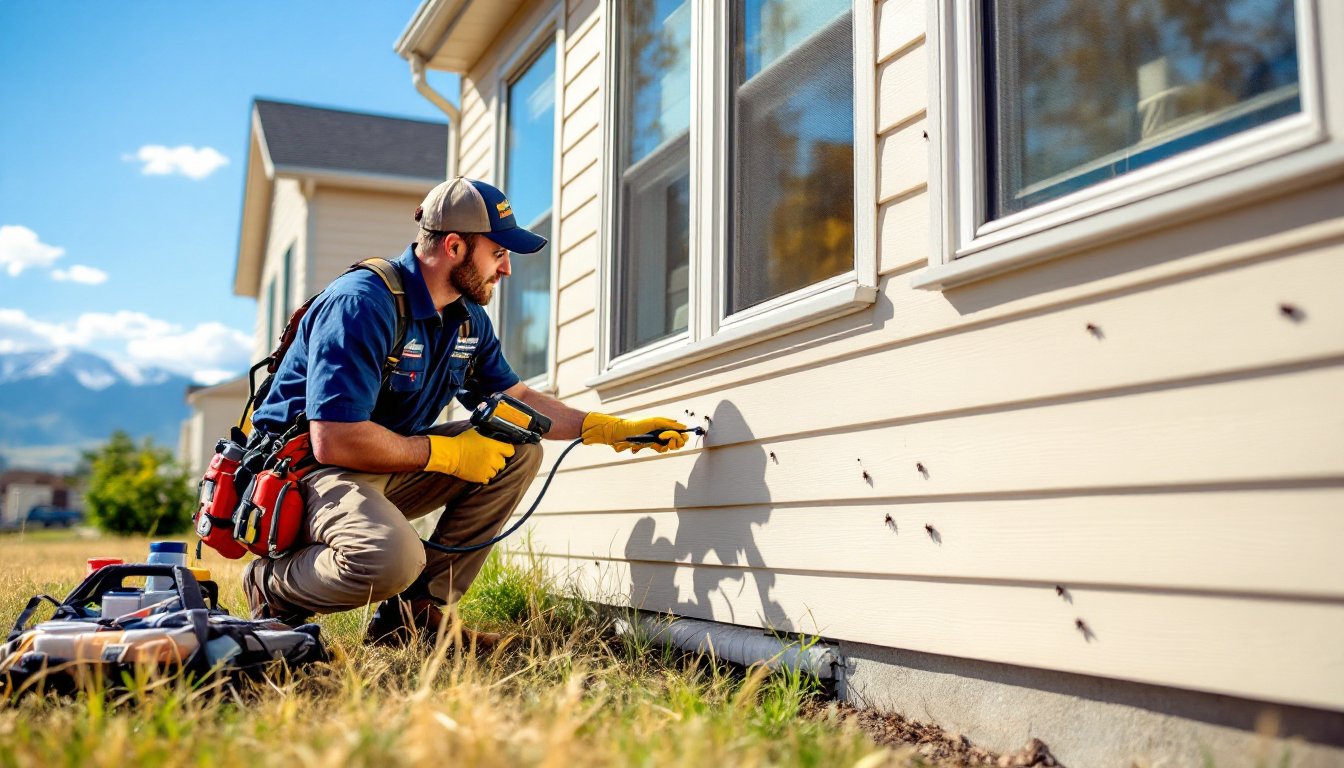

Utah’s diverse climate, from alpine winters to high-desert summers, creates a unique pest landscape that shifts with the seasons. Homeowners across the Beehive State face challenges ranging from box elder bugs clustering on sunny siding to carpenter ants tunneling through framing lumber. Understanding which pests thrive in Utah’s specific conditions, and when they’re most active, is the first step toward protecting your home’s structure and comfort. This guide covers identification, prevention, treatment options, and when it’s time to bring in reinforcements.
Table of Contents
ToggleKey Takeaways
- Utah pest control requires understanding seasonal pest activity—from box elder bugs in fall to carpenter ants and rodents year-round—driven by the state’s unique alpine and high-desert climate.
- Seal entry points wider than 1/8 inch, manage moisture below 50% humidity, and eliminate food sources to prevent pest infestations before they establish.
- Common Utah pests like carpenter ants, mice, and hobo spiders can be identified by specific signs: frass shavings, droppings near food storage, and brown bodies with chevron patterns.
- DIY treatments such as diatomaceous earth, boric acid, snap traps, and pyrethrin sprays work for many pest problems, but safety precautions like N95 masks and nitrile gloves are essential.
- Call a licensed professional pest control service for structural damage, repeated treatment failures, wasps in high locations, or when health concerns like hantavirus exposure arise.
- Choose Utah pest control companies with current UDAF licenses, IPM-based methods, itemized estimates ($150–$600 depending on scope), and clear re-treatment guarantees.
Common Pests in Utah Homes and How to Identify Them
Utah’s elevation and arid climate attract a distinct set of invaders. Knowing what you’re dealing with shapes your entire approach.
Box Elder Bugs are the most visible nuisance. These half-inch, dark gray insects with red-orange markings cluster on south and west-facing walls in fall, seeking warmth. They don’t bite or cause structural damage, but their sheer numbers and tendency to stain fabrics make them unwelcome.
Carpenter Ants are a different story. Black and up to half an inch long, they excavate smooth galleries in wood, not to eat it, but to nest. Look for frass (sawdust-like shavings) below baseboards, windowsills, or structural beams. Unlike termites, carpenter ants have pinched waists and elbowed antennae.
Mice and voles exploit even quarter-inch gaps around foundation vents, garage doors, and utility penetrations. Droppings near pantry shelves, greasy rub marks along baseboards, and the scent of urine in wall cavities are telltale signs.
Spiders, especially hobo spiders and black widows, prefer undisturbed spaces: crawlspaces, woodpiles, and garage corners. Black widows are identifiable by their glossy black bodies and red hourglass marking: hobo spiders are brown with chevron patterns on the abdomen.
Earwigs and millipedes appear in damp basements and around door thresholds after irrigation or rain. They’re more of a nuisance than a threat but indicate moisture problems worth addressing.
Seasonal Pest Challenges Unique to Utah’s Climate
Utah’s pronounced seasonal swings drive pest behavior in predictable patterns.
Spring (March–May) brings ant activity as colonies expand. Pavement ants and odorous house ants scout kitchens and bathrooms for moisture and sugar. It’s also when wasps and yellow jackets begin building nests under eaves, in attic vents, and inside wall voids.
Summer (June–August) intensifies spider populations and draws mosquitoes to any standing water, clogged gutters, birdbaths, or low spots in yards. The heat also pushes rodents indoors in search of cooler, damper conditions, especially in basements with HVAC condensate or plumbing leaks.
Fall (September–November) is box elder bug season. As temperatures drop, thousands congregate on sun-warmed siding before infiltrating attics and wall voids through gaps around windows, vents, and trim. This is also when cluster flies and Asian lady beetles seek overwintering sites.
Winter (December–February) doesn’t mean downtime. Rodents are active year-round, nesting in insulation, chewing through Romex wiring (a fire hazard), and contaminating stored goods. Overwintering insects remain dormant in wall cavities but will emerge indoors during warm snaps or if disturbed during remodeling.
DIY Pest Prevention Strategies for Utah Homeowners
Most pest problems start with access and attraction. Address both to cut populations before they establish.
Seal entry points. Walk your home’s perimeter with a caulk gun and expanding foam. Target cracks wider than 1/8 inch, gaps around utility penetrations, foundation vents with torn screens, and door sweeps with gaps exceeding 1/4 inch. For box elder bugs, pay special attention to siding seams and window trim on south and west exposures.
Manage moisture. Fix leaky faucets, re-slope grading to direct runoff away from the foundation (minimum 6-inch drop over 10 feet), and ensure crawlspace vents provide cross-ventilation. Dehumidify basements to below 50% relative humidity, this discourages millipedes, silverfish, and mold that attracts other pests.
Eliminate food sources. Store pantry goods in airtight containers (PETE or glass, not cardboard). Clean under appliances quarterly to remove crumbs and grease. Keep trash cans sealed and 15 feet from entry doors if possible. For outdoor spaces, clear fallen fruit, cover compost bins, and store pet food indoors.
Reduce harborage. Stack firewood 20 feet from the house on a rack at least 6 inches off the ground. Trim shrubs and tree branches to leave 12 inches of clearance from siding and rooflines. Remove yard debris, leaf piles, and stacked lumber where spiders and rodents nest.
PPE note: Wear nitrile gloves and a dust mask (N95) when cleaning rodent droppings or disturbed insulation to avoid hantavirus exposure, a legitimate concern in the Intermountain West.
Natural and Chemical Treatment Options That Work in Utah
Treatment choice depends on pest type, infestation severity, and household considerations (pets, kids, allergies).
Diatomaceous earth (DE) is a mechanical dust that works well for crawling insects, ants, earwigs, and box elder bugs. Apply food-grade DE in a thin layer along baseboards, in wall voids (via outlet boxes with power off), and around foundation perimeters. It damages insect exoskeletons, causing dehydration. Reapply after rain or irrigation. Wear a dust mask during application: DE is a lung irritant.
Boric acid powder targets ants and roaches. Dust it lightly into cracks and behind appliances. It acts as a stomach poison when insects groom and ingest it. Keep away from food-prep surfaces and pets.
Snap traps remain the most reliable option for mice. Use wooden Victor traps or plastic alternatives, baited with peanut butter or sunflower seeds. Place along walls where droppings appear, perpendicular to the baseboard (trigger side facing the wall). Check daily and dispose of carcasses promptly.
Pyrethrin sprays (derived from chrysanthemums) or synthetic pyrethroids (permethrin, bifenthrin) provide knockdown for spiders, wasps, and ants. Apply as a barrier treatment around door thresholds, window frames, and foundation perimeters. Follow label rates, overapplication doesn’t improve efficacy and increases environmental impact. According to resources on home maintenance planning, proper application timing matters: treat in early evening when pollinators are inactive.
Insecticidal soap or neem oil works for soft-bodied pests like aphids on houseplants or earwigs. Spray to coverage, repeat weekly.
Bait stations with hydramethylnon or fipronil are effective for carpenter ants. Workers carry bait back to the colony, including the queen. Place near trails and monitor for 2–3 weeks. For large or structural infestations, professional treatment is often necessary, more on that below.
When to Call a Professional Pest Control Service
Some situations exceed the reach of DIY methods, or carry risks that require licensed expertise.
Structural infestations. If carpenter ants or termites (rare but present in southern Utah) are actively damaging framing lumber, floor joists, or roof trusses, a professional should assess the extent. They’ll use borescopes, moisture meters, and sounding techniques to locate nests and determine if structural repairs are needed. This often overlaps with commercial pest control methods applied to larger or complex structures.
Repeated treatment failures. If you’ve sealed entry points, applied treatments, and still see activity after 4–6 weeks, the problem may involve hidden nests, secondary colonies, or misidentified species.
Wasps and hornets in high or enclosed locations. Nests inside attic vents, soffits, or second-story eaves require ladders, specialized equipment, and often evening applications when insects are less active. The risk of falls and stings makes this a job for pros. Wear long sleeves, gloves, and eye protection if you attempt it, but know when to step back.
Rodent infestations in walls or ceilings. If you hear scratching inside finished walls or above drywall ceilings, trapping becomes difficult. Professionals use tracking powder, excluder devices, and infrared cameras to locate entry points and monitor activity.
Health or code concerns. Hantavirus (from rodent droppings) and tick-borne diseases are legitimate in Utah. If you’re immunocompromised, pregnant, or dealing with contaminated insulation, hire a service with certified applicators and remediation experience. Also, if you’re selling a home, some buyers or lenders may require documentation of professional treatment for wood-destroying organisms.
Choosing the Right Pest Control Company in Utah
Not all pest control companies operate the same. A little assignments prevents costly mistakes and subpar results.
Verify licensing. Utah requires pest control businesses and applicators to hold licenses through the Utah Department of Agriculture and Food (UDAF). Ask for license numbers and confirm they’re current. This ensures technicians have passed exams on pesticide safety, application methods, and state regulations.
Ask about treatment methods. Quality companies offer integrated pest management (IPM), a combination of exclusion, sanitation, monitoring, and targeted chemical use. Avoid outfits that rely solely on scheduled spraying without addressing root causes.
Get itemized estimates. Quotes should specify pest type, treatment areas (interior, exterior, attic, crawlspace), products used, number of visits, and any warranty or follow-up. Costs vary by region and infestation severity, expect $150–$400 for one-time treatments, $300–$600 annually for quarterly service (as of 2026, subject to market changes).
Check credentials and reviews. Look for membership in the National Pest Management Association (NPMA) or similar trade groups. Online reviews on platforms like Angi can reveal patterns in customer service, punctuality, and treatment effectiveness, though individual experiences vary.
Clarify guarantees. Reputable services offer re-treatment within a specified window (commonly 30–90 days) if pests return. Read the fine print, guarantees often exclude issues caused by new entry points, unaddressed sanitation, or structural changes.
Understand contracts. Monthly or quarterly contracts can provide consistent protection and often include free re-services between scheduled visits. But, if you’re addressing a one-time problem (box elder bugs in fall, a wasp nest), a single-visit option may be more cost-effective. For broader homeowner project planning and contractor vetting strategies, Today’s Homeowner provides checklists and comparison tools.
Conclusion
Effective pest control in Utah hinges on understanding the state’s unique climate cycles and the behaviors they drive. By combining proactive exclusion, moisture management, and targeted treatments, whether DIY or professional, homeowners can maintain comfortable, structurally sound spaces year-round. Stay observant, act early, and don’t hesitate to call in expertise when the situation warrants it.