
Bed bugs don’t care about your credit score or your carefully curated guest room, they just want a meal and a place to hide. Unfortunately, getting rid of them isn’t cheap. Professional bed bug pest control prices in 2026 range widely depending on infestation severity, treatment method, and home size. Understanding what you’re paying for can help you make smart decisions and avoid getting overcharged for a problem that’s already costing you sleep.
Table of Contents
ToggleKey Takeaways
- Professional bed bug pest control prices in 2026 typically range from $1,000 to $2,500 nationally, with costs varying based on infestation severity, treatment method, and home size.
- Heat treatments cost $1 to $3 per square foot ($2,000–$4,000 for whole homes) but offer one-and-done solutions, while chemical treatments are cheaper at $200–$600 per room but require 2–4 visits over several weeks.
- DIY bed bug control costs only $200–$500 upfront but fails in 60% of moderate to severe cases, making professional treatment a safer long-term investment despite higher initial expense.
- You can save $100–$300 by preparing the space yourself, getting multiple quotes, limiting treatment to affected rooms, and scheduling during off-peak seasons like late fall or winter.
- Heat treatments and chemical treatments often require follow-up visits; verify that your contractor includes a 30–90 day warranty with at least one re-treatment to avoid unexpected costs.
Average Cost of Bed Bug Extermination
As of 2026, most homeowners pay between $1,000 and $2,500 for professional bed bug extermination, with a national average hovering around $1,500. Light infestations in a single room may run $300 to $600, while severe, whole-house infestations can push costs to $4,000 or more.
The variation comes down to treatment method and scope. Heat treatments, where specialists raise room temps to 120–140°F for several hours, typically cost $1 to $3 per square foot or $2,000 to $4,000 for a whole home. Chemical treatments (pesticide application) are usually cheaper at $200 to $600 per room, but often require multiple visits spaced weeks apart.
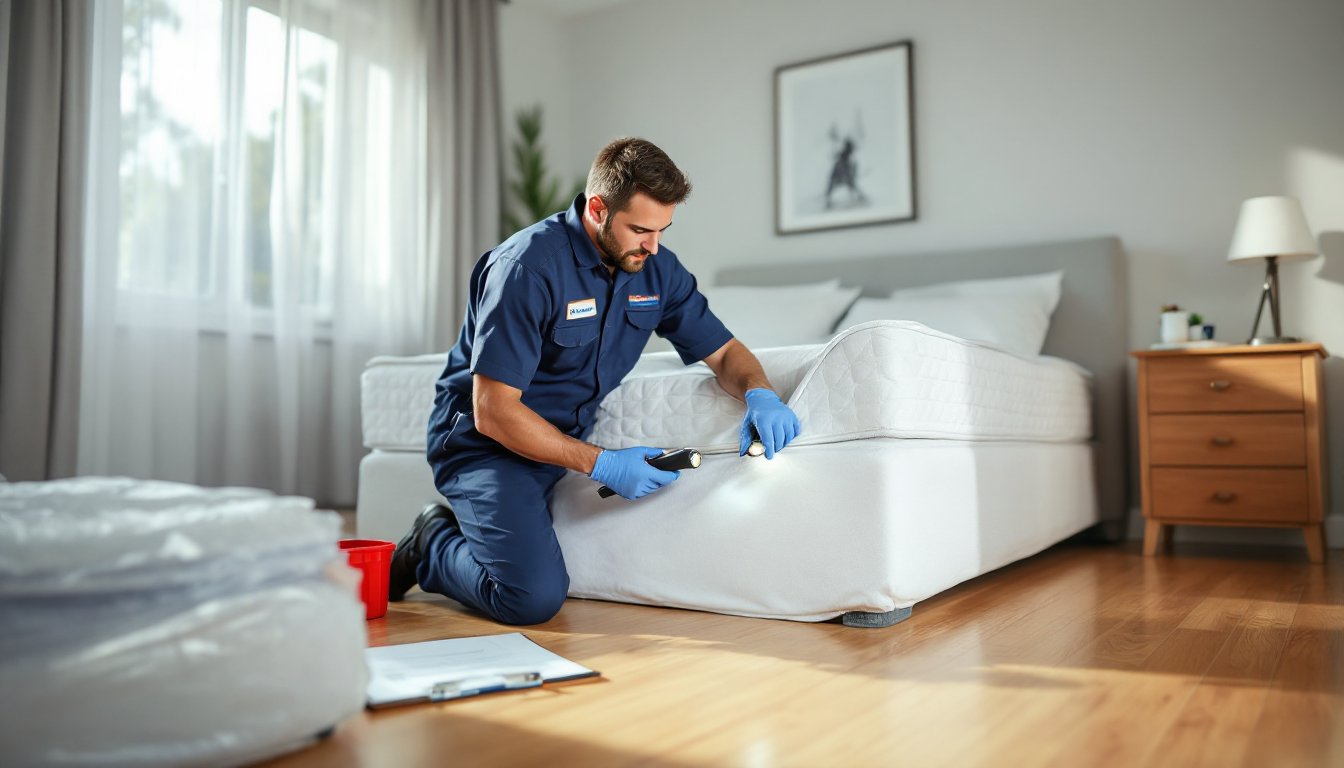
Inspection fees add another $100 to $300, though many companies waive this if you proceed with treatment. Some pros use canine detection teams, which can run $300 to $600 but provide more precise mapping of infestations. According to data from Angi’s 2026 bed bug pricing survey, repeat treatments account for roughly 40% of total cost in moderate to severe cases.
Bed bug pest control prices have climbed about 8–12% since 2024, driven by labor costs and the increasing prevalence of pesticide-resistant strains. If you’re getting quotes, ask whether the price includes follow-up visits, most reputable outfits offer a 30- to 90-day guarantee with at least one re-treatment included.
Factors That Affect Bed Bug Treatment Costs
Not all bed bug jobs are created equal. Pricing swings based on several variables, and knowing what drives costs helps you evaluate quotes and avoid surprises.
Size of Infestation and Home Square Footage
A handful of bugs in a single bedroom is a different ballgame than a multi-room infestation that’s spread through wall voids and furniture. Light infestations caught early may need only one or two rooms treated, keeping costs in the $300 to $800 range. Once bugs colonize multiple rooms, baseboards, electrical outlets, and carpet edges, you’re looking at whole-house treatment.
Home size directly impacts heat treatment costs, which are priced per square foot. A 1,200-square-foot apartment might run $1,500 to $2,400 for heat, while a 2,500-square-foot house could hit $3,000 to $5,000. Chemical treatments scale by room count rather than total square footage, so a three-bedroom ranch and a three-bedroom colonial may cost similarly if infestation levels match.
Infestations in hard-to-reach areas, wall voids, behind baseboards, inside box springs, drive up labor time and may require drilling, removal of outlet covers, or furniture disassembly. Expect to pay 10–20% more if your home has heavily cluttered rooms or older construction with hidden harborage points.
Treatment Method and Number of Sessions
How much does pest control cost for bed bugs depends heavily on the method. Heat treatments are often a one-and-done solution: technicians bring industrial heaters and fans, seal the space, and cook bugs (and their eggs) for 6–8 hours. It’s fast and effective but expensive upfront.
Chemical treatments use EPA-registered pesticides (pyrethroids, neonicotinoids, or desiccants like diatomaceous earth) and typically require two to four visits spaced 10–14 days apart to break the reproductive cycle. Each visit runs $200 to $400, so total cost for a multi-room job often lands between $800 and $1,600.
Steam treatments and cryonite freezing (liquid CO₂) are sometimes offered as supplemental or standalone options, usually priced at $250 to $500 per room. They’re effective for isolated infestations but less reliable for heavy, widespread problems.
Some companies bundle methods, chemical base treatment plus heat in high-traffic rooms, for $1,800 to $3,000. This hybrid approach balances cost and thoroughness. Always ask how many sessions are included and what the re-treatment policy covers.
Professional vs. DIY Bed Bug Control: Cost Comparison
DIY bed bug control sounds appealing when you’re staring at a four-figure quote, but it’s a tougher job than most homeowners expect. Over-the-counter products and home remedies rarely eliminate infestations completely, and failed attempts can let bugs spread further.
DIY costs for a moderate infestation typically run $200 to $500, covering:
- Mattress and box spring encasements: $50–$150 per bed (essential: traps bugs inside and prevents new ones from entering)
- Pesticide sprays and dusts: $30–$100 (pyrethroids, diatomaceous earth, silica gel)
- Steamers: $100–$300 (handheld or canister models that reach 200°F+)
- Interceptor traps: $20–$40 (placed under bed legs to monitor and trap bugs)
- Vacuuming supplies and disposal bags: $10–$30
You’ll also need time, lots of it. Effective DIY treatment involves laundering all bedding and clothing in hot water (at least 120°F), vacuuming every crack and seam, steaming furniture, applying pesticides to baseboards and furniture joints, and repeating the process every 7–10 days for at least a month.
The catch: bed bugs hide in places you can’t easily reach (inside wall voids, behind outlet plates, in carpet tack strips), and their eggs are pesticide-resistant. Miss even a few, and you’re back to square one in weeks. According to project planning resources on HomeAdvisor, DIY failure rates for moderate to severe infestations exceed 60%.
Professional treatment costs more upfront but includes inspection, targeted application, follow-up visits, and a guarantee. For light infestations in a single room, DIY might work if you’re meticulous and patient. For anything more, the pros save time, stress, and often money in the long run. If you’re exploring integrated pest management strategies, combining minimal-toxicity DIY prep (decluttering, laundering, encasements) with professional chemical or heat treatment is a solid middle ground.
How to Save Money on Bed Bug Treatment
Bed bug treatment isn’t optional once you’ve got an infestation, but you can shave costs without compromising results.
Get multiple quotes. Prices vary significantly between companies, sometimes by 30% or more for the same service. Ask each contractor to itemize their quote (inspection, treatment method, number of visits, guarantee terms) so you’re comparing apples to apples.
Prep the space yourself. Most pros charge extra if they have to move furniture, strip beds, or clear clutter. Doing this yourself can save $100 to $300. Wash and dry all bedding, clothing, and curtains on high heat, vacuum thoroughly, and move furniture away from walls. Bag treated items in sealed plastic to prevent re-infestation.
Limit treatment to affected rooms if the infestation is truly localized. A single-room treatment runs $300 to $600 versus $1,500+ for a whole house. Be honest with your contractor about where you’ve seen bugs, they’ll often recommend treating adjacent rooms as a buffer, which is worth it if it prevents spread.
Ask about off-season or weekday discounts. Pest control companies are busiest in summer and on weekends. Scheduling treatment in late fall or winter on a Tuesday can sometimes knock 10–15% off the bill.
Check for bundled services. Some companies offer discounts if you’re already using them for other pest control needs or sign up for a quarterly service plan.
Use encasements and interceptors. Spending $100 on quality mattress encasements and bed leg traps can reduce the number of follow-up treatments needed, saving $200 to $400 in repeat visits.
Verify insurance and warranty coverage. Some renters or homeowners insurance policies cover bed bug treatment if the infestation resulted from a covered event (like a pipe leak that brought bugs from a neighboring unit). Review your policy or ask your agent. Also, reputable companies offer a 60- to 90-day warranty, make sure it’s in writing and clarifies what triggers a free re-treatment.
For commercial properties, costs are often higher due to square footage and liability, but multi-unit or ongoing service contracts can reduce per-treatment pricing. Homeowners facing severe infestations can sometimes negotiate payment plans: renovation cost resources like those on ImproveNet occasionally cover financing options for emergency home repairs, including pest control.
Conclusion
Bed bug pest control prices aren’t fun to swallow, but they’re an investment in reclaiming your home and your sanity. Budget $1,000 to $2,500 for professional treatment, more if the infestation is severe or your home is large. Understand what drives costs, method, square footage, infestation level, and don’t hesitate to negotiate or prep the space yourself to save. Catching bugs early and acting decisively keeps both the bug count and the bill in check.