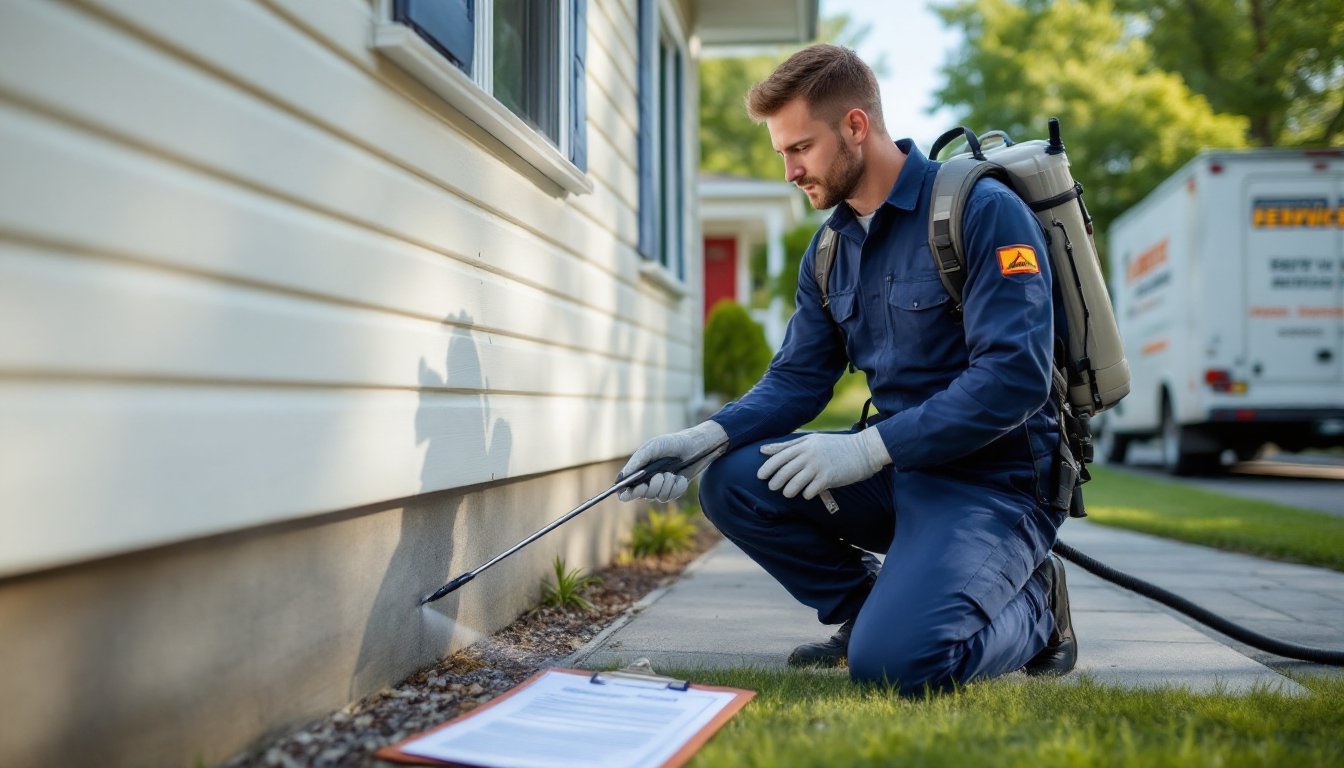

Pest control isn’t just about swatting the occasional fly, it’s about protecting your home’s structural integrity, your family’s health, and your peace of mind. Whether you’re dealing with ants in the kitchen, termites in the crawl space, or rodents in the attic, monthly pest control can keep infestations from spiraling into costly repairs. But how much does it actually cost, and is a monthly service worth the investment? Pricing varies based on factors like property size, pest type, and regional market conditions. This guide breaks down the numbers, explains what drives costs, and helps homeowners decide whether monthly or quarterly treatments make sense for their situation.
Table of Contents
ToggleKey Takeaways
- Monthly pest control costs between $40–$70 per visit for standard single-family homes, with initial treatments ranging from $100–$300 depending on property size and pest type.
- Property size, local region, and pest severity are the primary cost drivers—expect 10–20% higher pricing in urban or coastal areas like California and Florida compared to rural Midwest states.
- Monthly service provides more frequent monitoring and free re-treatments between visits, while quarterly service costs less annually but leaves longer gaps; choose based on your region’s pest pressure and home conditions.
- Specialty pests like termites, bed bugs, and rodents require dedicated treatment plans costing $200–$600+ per visit, separate from general preventive pest control pricing.
- Save 5–20% on monthly pest control by bundling services, paying annually upfront, handling minor exclusion work yourself, and getting multiple quotes from local providers.
- Contract terms matter—verify whether your plan includes auto-renewal clauses, price increases, and early-cancellation fees before signing a long-term commitment.
Average Monthly Pest Control Costs
As of 2026, monthly pest control service typically runs between $40 and $70 per visit for a standard single-family home (1,500 to 2,500 square feet). That range applies to general preventive treatments targeting common pests like ants, spiders, roaches, and occasional invaders.
Here’s how costs break down by service type:
- General preventive treatment (monthly): $40–$70 per visit
- Initial service or first-time treatment: $100–$300 (usually includes a thorough interior and exterior inspection, treatment of entry points, and application of barrier chemicals)
- Specialty pest treatments (termites, bed bugs, wildlife): $200–$600+ per visit, depending on severity and methods used
Most companies bundle the initial service with a discounted monthly rate if you sign a contract. For example, you might pay $250 upfront, then $50 per month for ongoing visits. Some providers waive the initial fee entirely if you commit to a 12-month agreement.
Costs also fluctuate by region. Urban areas and coastal markets (California, Florida, Texas) tend to run 10–20% higher than rural Midwest or Great Plains states due to labor costs and higher pest pressure. Market conditions in 2026, including fuel prices and labor availability, can shift pricing, so always get quotes from at least three local providers.
Keep in mind that monthly service means a technician visits your property once every four weeks, applying interior and/or exterior treatments as needed. It’s not a one-and-done deal: it’s an ongoing relationship with scheduled visits and often free re-treatments between visits if pests return.
What Influences Monthly Pest Control Pricing?
Not all homes, or pest problems, are created equal. Several factors push costs up or down, and understanding them helps you read quotes more intelligently.
Property Size and Treatment Area
Square footage is the first thing any pest control company will ask about. A 1,200-square-foot bungalow requires less product, less labor, and less time than a 4,000-square-foot two-story with a finished basement.
Most companies tier pricing like this:
- Up to 1,500 sq. ft.: $40–$50/month
- 1,500–2,500 sq. ft.: $50–$65/month
- 2,500–4,000 sq. ft.: $65–$85/month
- Over 4,000 sq. ft. or multi-unit properties: Custom pricing (often $90+/month)
Lot size and landscaping also matter. If your property has dense shrubs, mulch beds, or a detached garage, expect treatment zones to expand, and so will the bill. Technicians treat not just the house but the perimeter, often applying a barrier spray 3–10 feet out from the foundation.
Multi-story homes and properties with crawl spaces or unfinished basements add complexity. Accessing those areas takes time, and some pests (like subterranean termites or moisture-loving silverfish) concentrate there.
Type of Pest and Infestation Severity
General preventive service assumes you’re dealing with common household pests: ants, spiders, roaches, earwigs, and the occasional wasp nest. These are handled with residual sprays, granular baits, and perimeter treatments.
But if you’re facing a specialty pest, costs jump:
- Termites: Monthly monitoring (if on a bait system) runs $30–$60/month after the initial treatment (which can cost $1,200–$3,000 depending on home size and treatment method).
- Bed bugs: Heat treatments or chemical applications cost $200–$600 per room per visit: monthly monitoring isn’t typical, but follow-up visits are often necessary.
- Rodents (mice, rats): Trapping, exclusion, and sanitation services run $100–$300/month depending on severity. Sealing entry points (exclusion work) is a separate line item and can add $300–$1,500 to your total.
- Wildlife (squirrels, raccoons, bats): These require licensed wildlife control, not pest control. Costs vary widely ($200–$2,000+) and aren’t usually billed monthly.
Infestation severity matters, too. A handful of ants in spring is a $50 visit. A full-blown German cockroach infestation in a kitchen means multiple treatments, interior crack-and-crevice applications, and possibly growth regulators, pushing the monthly cost into the $80–$120 range until the population is under control.
Be upfront with your provider about what you’re seeing. If you’re finding droppings, seeing pests during the day, or noticing damage to wood or wiring, say so. That’s not a standard preventive service, it’s an active infestation, and pricing (and methods) will reflect that.
Monthly vs. Quarterly Service Plans: Which Is More Cost-Effective?
Here’s the math most homeowners face: monthly service costs more over the year, but it offers more frequent monitoring and faster response. Quarterly service (every three months) is cheaper annually but leaves longer gaps between treatments.
Let’s compare:
- Monthly plan: $50/visit × 12 = $600/year
- Quarterly plan: $75/visit × 4 = $300/year
On paper, quarterly wins. But the decision isn’t purely financial.
Choose monthly service if:
- You live in a high-pest-pressure region (Florida, Texas, coastal Southeast, or desert Southwest)
- You’ve had recurring infestations in the past (ants, roaches, spiders)
- Your home has conditions that attract pests (moisture issues, dense landscaping, nearby wooded areas, or a history of termite activity)
- You have young children, pets, or family members with pest-related allergies or phobias
- You want guaranteed re-treatments between visits at no extra charge (most monthly contracts include this)
Choose quarterly service if:
- You live in a cooler or drier climate with lower year-round pest activity
- Your home is well-sealed, with good drainage and minimal landscaping against the foundation
- You haven’t had pest issues in recent years
- You’re comfortable doing some DIY monitoring and spot treatments (like setting out ant baits or sticky traps) between professional visits
Some companies offer a bi-monthly plan (every two months) as a middle ground, running around $400–$450/year. It’s worth asking about if you’re on the fence.
One more consideration: contract flexibility. Many pest control providers require a 12-month commitment for discounted monthly rates. If you cancel early, you may owe a fee or lose your initial service discount. Quarterly plans are often more flexible, with month-to-month or pay-as-you-go options.
How to Save Money on Monthly Pest Control Services
Pest control is a recurring expense, but you’re not locked into sticker prices. Here are practical ways to cut costs without sacrificing quality:
Bundle services. If you need lawn care, mosquito control, or termite monitoring, ask if your pest control company offers package discounts. Bundling can save 10–20% compared to contracting each service separately.
Prepay annually. Some companies offer a 5–10% discount if you pay for the full year upfront instead of monthly. If you’ve got the cash flow, that’s $30–$60 back in your pocket.
Reduce treatment frequency once pests are controlled. If you’ve been on monthly service for six months and haven’t seen a single ant, ask about stepping down to bi-monthly or quarterly. A good company will be honest about whether that’s realistic for your property.
Handle minor exclusion work yourself. Technicians often charge $100+ to caulk gaps, install door sweeps, or screen vents. If you’re handy, do it yourself. Use silicone or polyurethane caulk for exterior gaps (it flexes with temperature changes), and install bronze or aluminum door sweeps (they last longer than vinyl). Seal gaps larger than 1/4 inch, mice can squeeze through anything bigger.
Get multiple quotes. Pricing varies widely. One company might quote $70/month: another offers the same service for $50. Don’t just go with the cheapest, ask about their treatment methods, guarantees, and technician training. But definitely shop around.
Ask about military, senior, or first responder discounts. Many regional and national companies offer 5–15% off for these groups. It never hurts to ask.
DIY between visits. Monthly service doesn’t mean you’re off the hook. Vacuum regularly, fix leaky faucets, store food in sealed containers, and keep mulch at least 6 inches away from your foundation. The less attractive your home is to pests, the easier (and cheaper) it is to keep them out. For businesses facing similar challenges, commercial pest control strategies often apply to residential properties as well, especially about sanitation and exclusion.
Use online booking or referral discounts. Some companies knock $20–$50 off your first service if you book online or get referred by a current customer. Check their website or ask neighbors who they use.
Finally, read the contract carefully. Some companies sneak in annual price increases, auto-renewal clauses, or fees for skipping visits. Know what you’re signing, and don’t be afraid to negotiate, especially if you’re a long-term customer or signing up multiple properties.
Conclusion
Monthly pest control in 2026 runs $40–$70 per visit for most homes, with costs climbing for larger properties, specialty pests, or severe infestations. Whether monthly service is worth it depends on your pest pressure, home conditions, and tolerance for DIY. Get multiple quotes, ask about contract terms, and don’t skip the exclusion work, it’s the difference between managing pests and actually keeping them out.