
Bed bugs don’t care how clean your home is, they’re equal-opportunity invaders that hitchhike in luggage, second-hand furniture, and even on your clothes. These nocturnal parasites have made a massive comeback in the past two decades, and traditional pest control methods often fall short. D bug pest control specifically targets bed bug infestations using a combination of chemical treatments, heat application, and integrated pest management strategies. If you’ve spotted the telltale signs, unexplained bites, rusty spots on sheets, or live bugs in mattress seams, you need a plan that goes beyond surface-level spraying. This guide walks through proven elimination methods, when DIY is viable, and when it’s time to bring in professionals.
Table of Contents
ToggleKey Takeaways
- D bug pest control is a specialized approach targeting bed bug infestations through chemical treatments, heat application, and integrated pest management—essential because infestations don’t self-resolve and spread rapidly through buildings.
- Early detection through physical evidence like bite clusters, fecal spots, and shed skins is critical; inspect mattress seams, baseboards, and furniture regularly to catch infestations before they become widespread.
- DIY d bug pest control methods like steam cleaning (130°F+), diatomaceous earth, mattress encasements, and heat treatment work for small, localized infestations caught early, but require persistence and realistic expectations.
- Professional intervention is necessary for multi-room infestations, persistent re-infestations, or when DIY efforts fail after 2-3 weeks; licensed services offer whole-structure heat treatment, canine inspections, and warranties that DIY methods cannot.
- Prevention is far easier than eradication—inspect hotel rooms and second-hand furniture, unpack luggage directly into washing machines, seal cracks around baseboards, and conduct monthly inspections to stop bed bugs before they enter your home.
- In multi-unit buildings, coordinate with neighbors and property management since bed bugs travel through shared walls and utilities; individual unit treatments often fail if adjacent units remain infested.
What Is D Bug Pest Control and Why It Matters
D bug pest control refers to the specialized treatment and elimination of bed bugs (Cimex lectularius), small, reddish-brown insects about the size of an apple seed that feed on human blood. Unlike general pest control, which might handle ants, roaches, or rodents, d bug control focuses exclusively on the unique biology and behavior of bed bugs.
Bed bugs are notoriously difficult to eliminate because they hide in tiny cracks and crevices during the day, emerging at night to feed. A single female can lay 200-500 eggs in her lifetime, and eggs hatch in 6-10 days under normal conditions. They’re resistant to many over-the-counter pesticides, and populations have developed tolerance to pyrethroids, the most common insecticide class used in consumer bug sprays.
Effective d bug pest control matters because infestations don’t resolve on their own. They spread rapidly through multi-unit buildings, cause secondary skin infections from scratching bites, and create significant psychological stress. Property values can drop, and rental units may become legally uninhabitable in some jurisdictions if infestations aren’t properly addressed. Unlike mosquitoes or ticks, bed bugs aren’t known to transmit diseases, but their impact on quality of life is severe.
Signs You Need D Bug Pest Control Services
Bed bugs leave specific evidence that distinguishes them from other pests. Knowing what to look for helps you catch infestations early, when they’re easiest to treat.
Physical evidence includes:
- Bite patterns: Clusters or lines of red, itchy welts, often on exposed skin like arms, shoulders, and neck. Bites typically appear within hours to a few days after feeding.
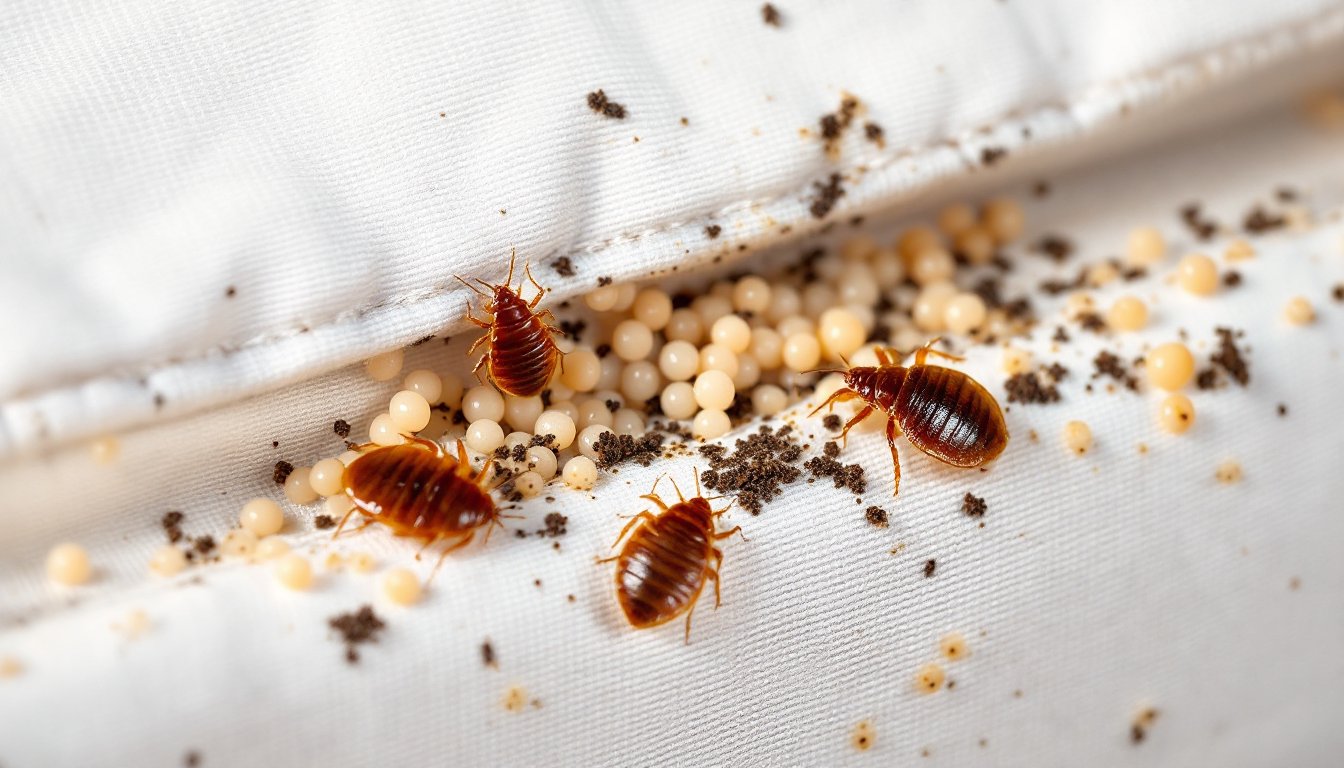
- Fecal spots: Dark brown or black stains (digested blood) on mattress seams, box springs, bed frames, and nearby furniture. These look like tiny ink dots and smear when wet.
- Shed skins: Translucent exoskeletons left behind as nymphs molt through five growth stages before reaching adulthood.
- Live bugs: Adult bed bugs are visible to the naked eye, about 5-7mm long, flat when unfed, and swollen after a blood meal.
- Eggs and egg casings: Tiny white or cream-colored eggs (about 1mm) in seams, cracks, and behind headboards.
Behavioral clues:
- Waking up with new bites that weren’t present the night before
- A sweet, musty odor in severe infestations (released by bed bug scent glands)
- Increased scratching or skin irritation among household members
Inspect mattress seams, box spring corners, bed frame joints, electrical outlets, baseboards, and upholstered furniture. Use a flashlight and credit card to pry open seams. For comprehensive pest identification strategies, check multiple hiding spots before concluding you’re clear.
DIY D Bug Pest Control Methods That Actually Work
DIY bed bug control is viable for small, localized infestations caught early, typically affecting one room or piece of furniture. Success requires thoroughness, persistence, and realistic expectations. If you’ve had bugs for months or they’ve spread to multiple rooms, professional treatment is the better route.
Effective DIY tools and methods:
- Vacuuming: Use a vacuum with a HOSE attachment to target mattress seams, bed frames, baseboards, and upholstery. Immediately seal the vacuum bag in plastic and dispose of it outside. Vacuuming removes bugs and eggs but doesn’t kill them.
- Steam cleaning: A garment steamer or steam cleaner delivering at least 130°F at the nozzle kills bed bugs on contact. Move slowly (1 foot per 30 seconds) over all surfaces. This works on mattresses, box springs, couches, and carpet edges. Ensure the steam penetrates fabric, surface heat won’t reach hidden bugs.
- Diatomaceous earth (DE): Food-grade DE is a desiccant powder that damages bed bug exoskeletons, causing dehydration. Apply a thin layer (barely visible) along baseboards, under furniture legs, and in cracks. Wear an N95 mask, DE is a respiratory irritant. It works slowly, taking 7-14 days to kill bugs that walk through it.
- Mattress encasements: Install bed-bug-proof mattress and box spring encasements (zipper closures with sealed seams). These trap any bugs inside, preventing them from feeding, and they eventually starve. Encasements also make inspection easier. Leave them on for at least 18 months.
- Washable items: Launder bedding, curtains, and clothing in hot water (120°F minimum) and dry on high heat for at least 30 minutes. Heat kills all life stages. Bag items immediately after drying to prevent re-infestation.
Safety notes:
- Never use agricultural or pool-grade DE indoors, it’s toxic.
- Don’t use rubbing alcohol or essential oils as primary treatments. They kill bugs on direct contact but have no residual effect and are fire hazards.
- Avoid bug bombs (foggers). They don’t penetrate hiding spots and can spread bugs to other rooms.
For those interested in chemical-free approaches, combining steam, DE, and encasements offers a pesticide-free option. According to research highlighted by Good Housekeeping, combining multiple methods increases success rates over relying on a single tactic.
Heat Treatment for Bed Bug Elimination
Heat treatment is the most effective DIY method for isolated items and small spaces. Bed bugs die when exposed to 118°F for 90 minutes or 122°F for 60 minutes. All life stages, including eggs, are vulnerable to sustained heat.
Portable heat options:
- Clothes dryer: For fabrics, shoes, and stuffed animals. Run on high heat for at least 30 minutes. Don’t overload, items need airflow.
- Portable heaters in sealed rooms: Some homeowners use space heaters to raise room temperature above 120°F, but this requires professional-grade equipment to ensure even heat distribution and avoid fire hazards. Not recommended without specialized monitoring.
- PackTite or ZappBug portable heat chambers: These are insulated bags or boxes that plug into standard outlets and heat contents to 120-130°F. They’re ideal for luggage, electronics, books, and other non-washable items. Treatment takes 4-8 hours.
Limitations:
Heat doesn’t provide residual protection. Bugs can re-infest treated areas if they’re still hiding elsewhere. Whole-room heat treatment typically requires professional equipment (industrial heaters and fans) to reach and maintain lethal temperatures in wall voids, furniture interiors, and baseboards.
When to Call Professional D Bug Pest Control Experts
Professional intervention becomes necessary when infestations are widespread, DIY efforts fail after 2-3 weeks, or the home has structural complexities (multi-unit buildings, heavy clutter, or wall voids).
Situations requiring pros:
- Multiple rooms infested: Bed bugs spread through walls, electrical conduits, and shared plumbing chases in apartments and condos.
- Persistent re-infestation: If you’ve treated thoroughly but bugs reappear within weeks, there’s a hidden reservoir you’re missing.
- High-risk occupants: Elderly individuals, infants, or those with compromised immune systems are more vulnerable to secondary infections from bites.
- Rental properties: Landlords in most states are legally required to provide professional pest control for bed bugs. Tenants should document infestations and request treatment in writing.
- Heavy infestations: Visible bugs during the day, large fecal staining, and strong odors indicate a population that’s beyond DIY control.
What professionals offer:
- Whole-structure heat treatment: Industrial heaters raise the entire home or unit to 135-145°F for 6-8 hours, killing bugs in all hiding spots. This is the fastest method but costs $1-3 per square foot (regional variation applies).
- Chemical applications: Licensed exterminators use EPA-registered insecticides (neonicotinoids, pyrroles, desiccants) in targeted cracks, crevices, and voids. Treatment requires 2-3 visits over 4-6 weeks to catch newly hatched nymphs.
- Canine inspections: Trained scent-detection dogs can locate live bugs with 90%+ accuracy, pinpointing hidden infestations in walls and furniture.
- Integrated Pest Management (IPM): Combines heat, chemical, encasements, and monitoring devices for comprehensive eradication.
For commercial properties facing infestations, professional treatment is mandatory, both for liability reasons and to prevent business disruption. Reviews from companies such as D Bug Pest Solutions show that licensed services offer warranties and follow-up inspections, which DIY methods can’t match.
Cost considerations:
Professional bed bug treatment for a single-family home ranges from $1,000-$4,000 depending on method, square footage, and infestation severity. Chemical treatments are typically cheaper upfront but require multiple visits. Heat treatment costs more initially but often resolves issues faster.
Preventing Future Bed Bug Infestations in Your Home
Prevention is far easier than eradication. Bed bugs are excellent hitchhikers, so controlling entry points and practicing vigilant habits are key.
Travel precautions:
- Inspect hotel rooms before unpacking. Check mattress seams, headboard backs, and upholstered furniture. Place luggage on a rack or in the bathroom (tile surfaces are inhospitable to bed bugs).
- Upon returning home, unpack directly into the washing machine or sealed plastic bags. Vacuum luggage and store it away from bedrooms.
Second-hand furniture:
- Never bring used mattresses, box springs, or upholstered furniture into your home without thorough inspection under bright light.
- Avoid curbside furniture, it’s often discarded due to infestations.
- If buying second-hand, disassemble items and inspect all joints, seams, and hidden surfaces.
Home maintenance:
- Reduce clutter: Piles of clothes, boxes, and magazines provide hiding spots. Keep floors and surfaces clear.
- Seal cracks: Caulk gaps around baseboards, electrical outlets, and light switches. Bed bugs can hide in spaces as thin as a credit card.
- Install interceptors: Place bed bug interceptor traps under bed and furniture legs. These are shallow dishes with slick interior walls that trap bugs attempting to climb up.
- Regular inspections: Monthly visual checks of mattress seams, bed frames, and nearby furniture catch early signs before populations explode.
Multi-unit buildings:
In apartments and condos, coordinate with neighbors and property management. Bed bugs easily travel through wall voids and shared utilities. Individual unit treatments often fail if adjacent units remain infested.
PPE for inspections:
Wear disposable gloves when inspecting or handling potentially infested items. Bag and isolate suspicious materials immediately. For more ideas on maintaining a pest-free home environment, explore additional pest control resources.
Conclusion
D bug pest control isn’t a one-and-done fix, it’s a systematic process that requires identifying the scope of the problem, choosing appropriate treatment methods, and following through with prevention. Small, early-stage infestations can often be managed with heat, vacuuming, and encasements, but widespread problems demand professional intervention. Stay vigilant, act quickly when you spot signs, and don’t let bed bugs take over your home.