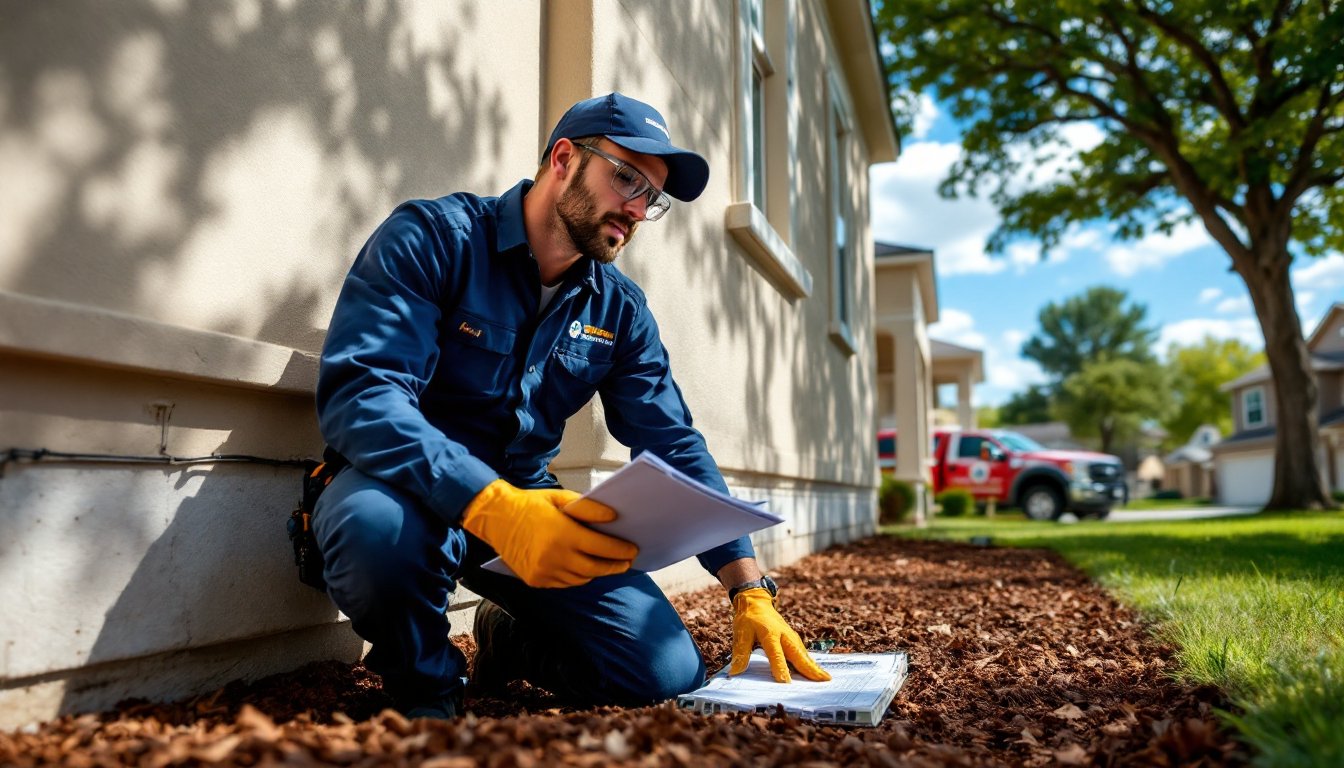

Flower Mound’s mix of established neighborhoods, wooded lots, and North Texas humidity creates the perfect storm for household pests. From termites chewing through garage framing to fire ants colonizing backyard play areas, local homeowners face year-round challenges that require both reactive treatment and proactive prevention. This guide walks through the most common invaders, when to call in the pros versus handling it yourself, and long-term maintenance strategies to keep your home sealed tight. Whether you’re dealing with an active infestation or just want to stop one before it starts, understanding your options saves both money and headaches.
Table of Contents
ToggleKey Takeaways
- Flower Mound pest control requires addressing common invaders like subterranean termites, fire ants, and rodents that thrive in North Texas humidity and wood-frame construction.
- Call a licensed pest control professional immediately if you spot mud tubes, rodent droppings, or multiple spider sightings, as structural damage compounds daily and DIY methods lack the equipment and licensing needed for effective treatment.
- Prevention through sealing foundation gaps with copper mesh, managing moisture with proper drainage, and trimming vegetation can significantly reduce pest entry and harborage on your property.
- Verify any pest control company’s Texas Structural Pest Control Service license and ask about integrated pest management (IPM) plans, active ingredients, and re-entry times before signing a contract.
- Budget $100–$150 per quarterly visit for general pest control, $1,200–$2,500 for termite treatment, and expect termite bonds to add $150–$300 annually to maintain warranty coverage.
- Conduct annual inspections of your crawl space, attic, and foundation perimeter while maintaining HVAC systems and upgrading vulnerable materials like wood lattice to prevent long-term pest problems.
Common Pests in Flower Mound and Why They Love Your Home
Subterranean termites are the number-one structural threat in Flower Mound. They tunnel through soil to access wood sill plates, floor joists, and wall studs, often undetected until damage is extensive. North Texas clay soil retains moisture, and homes built on slab foundations with poor drainage are especially vulnerable.
Fire ants thrive in sunny, open lawns and build mounds near foundations, HVAC condensers, and electrical boxes. Their stings are painful, and large colonies can damage wiring and concrete.
Mosquitoes breed in standing water, gutters, plant saucers, ornamental ponds, and peak from May through October. Aedes species, active during the day, can carry West Nile virus.
Rodents (roof rats and house mice) exploit gaps as small as ¼ inch around pipe penetrations, garage door weatherstripping, and attic vents. Once inside, they chew electrical wiring (a fire hazard), contaminate insulation, and reproduce quickly.
German cockroaches infest kitchens and bathrooms, hiding in cabinet hinges, appliance motors, and wall voids. They’re drawn to food residue, grease, and moisture from leaky faucets or sweating pipes.
Brown recluse and black widow spiders hide in undisturbed areas: attic storage boxes, basement crawl spaces, firewood piles. Both species deliver medically significant bites.
Why they love Flower Mound homes: Wood-frame construction, pier-and-beam crawl spaces (common in older neighborhoods), landscape mulch beds tight against siding, and attic ventilation gaps all provide entry and harborage. Homes near Grapevine Lake or wooded creeks see higher mosquito and rodent pressure.
When to Call a Professional Pest Control Service
Call a licensed pest control operator immediately if you observe any of the following:
• Mud tubes running up foundation walls or pier blocks (termites)
• Active carpenter ant trails in structural lumber, especially near roof leaks
• Rodent droppings in kitchen drawers, attic insulation, or along baseboards
• Multiple brown recluse or black widow sightings inside living spaces
• Bed bugs confirmed by fecal spots, shed skins, or bite patterns
• Wasp or hornet nests attached to soffits, attic vents, or inside wall voids
Why DIY isn’t enough: Termite treatments require soil trenching, sub-slab injection, or bait station networks, none feasible without commercial equipment and state licensing. Rodent control demands identifying every entry point, setting traps in the right sequence, and excluding re-entry with materials that meet IRC Section R302.11 (garage-to-house fire separation). Professionals carry liability insurance, follow Texas Structural Pest Control Board regulations, and use restricted-use pesticides unavailable to consumers.
Don’t wait for a second opinion if you see sagging floors, hollow-sounding baseboards, or frass piles (termite droppings). Structural damage compounds daily, and most homeowner’s insurance policies exclude pest-related claims.
DIY Pest Prevention Strategies for Flower Mound Homeowners
Prevention beats remediation every time. Start with the exterior envelope.
Seal gaps and cracks: Inspect the foundation perimeter, paying close attention to where utilities penetrate the sill plate. Use copper mesh (rodents can’t chew it) stuffed into holes around plumbing and gas lines, then seal with exterior-grade polyurethane caulk. Replace torn window screens and add ¼-inch hardware cloth over attic vents.
Manage moisture: Clean gutters twice a year and extend downspouts at least 6 feet from the foundation. Fix leaky hose bibs, condensate drain lines, and any grading issues that pool water against the house. In crawl spaces, install 6-mil polyethylene vapor barrier and verify that vents provide cross-ventilation (IRC requires 1 sq ft of vent per 150 sq ft of crawl space).
Trim vegetation: Keep shrubs at least 18 inches from siding. Overhanging tree limbs provide rodent highways to the roof: trim branches back 8–10 feet. Mulch beds should slope away from the foundation and stay under 3 inches deep to discourage termites.
Indoor sanitation: Store dry goods (flour, cereal, pet food) in airtight containers. Wipe down counters nightly and fix dripping faucets. Take trash out daily and use bins with tight-fitting lids.
DIY treatments that work: For fire ants, use broadcast granular baits (active ingredient spinosad or hydramethylnon) in spring and fall when workers are foraging. For mosquitoes, apply Bacillus thuringiensis israelensis (Bti) dunks to ornamental ponds and treat standing water weekly. Sticky traps and glue boards help monitor (not eliminate) cockroaches and spiders.
Seasonal Pest Challenges in North Texas
Spring (March–May): Subterranean termites swarm after rain. Inspect slab edges and weep holes. Fire ants begin mound-building: treat before summer heat.
Summer (June–August): Peak mosquito season. Drain plant saucers, kiddie pools, and clogged gutters weekly. Wasps build paper nests under eaves: remove small nests at dusk wearing protective clothing.
Fall (September–November): Rodents seek indoor shelter as temperatures drop. Inspect weatherstripping on garage doors and add door sweeps with neoprene or vinyl seals. Spiders move indoors: vacuum webs and apply residual insecticide to baseboards if needed.
Winter (December–February): Rodent pressure remains high. Check attic insulation for nesting material and droppings. Companion planting strategies can help prepare garden beds for spring to reduce pest attraction near the home perimeter.
Choosing the Right Pest Control Company in Flower Mound
Start by verifying Texas Structural Pest Control Service license status through the state’s online database. Every technician should carry a Pest Control Applicator License (category 7A or 7B). Companies offering termite bonds must provide written warranties specifying coverage limits and re-treatment terms.
Ask these questions before signing a contract:
• What active ingredients will be applied, and are SDS (Safety Data Sheets) available?
• Is the treatment a one-time knockdown or part of an Integrated Pest Management (IPM) plan?
• What’s the re-entry time after application (critical for homes with kids or pets)?
• Do you offer quarterly inspections or annual termite renewals?
Red flags: Door-to-door sales pitches, pressure to sign same-day contracts, or vague “eco-friendly” claims without naming products. Reputable companies provide itemized quotes, identify the target pest, and explain non-chemical controls (exclusion, sanitation) before defaulting to pesticides.
Check online reviews, but look for specifics: Did the company show up on time? Was the technician courteous and thorough? Did follow-up treatments resolve the issue? Membership in National Pest Management Association (NPMA) signals commitment to continuing education and industry standards.
Cost of Pest Control Services: What to Expect
Pricing varies by pest type, infestation severity, and home square footage. These are ballpark figures for Flower Mound as of 2026:
• General pest control (quarterly service): $100–$150 per visit for a 2,000 sq ft home, covering ants, spiders, roaches, and crickets
• Termite inspection: $75–$125 (often free if bundled with treatment)
• Termite treatment (liquid barrier): $1,200–$2,500 for perimeter trenching and sub-slab injection
• Termite bait stations: $1,500–$3,000 installed, plus $300–$400 annual monitoring
• Rodent exclusion and trapping: $350–$800, depending on entry point count and attic cleanup
• Mosquito fogging (seasonal): $75–$125 per application: packages of 6–8 treatments run $500–$900
• Bed bug heat treatment: $1,500–$3,000 for whole-home service
Many companies offer annual contracts (8–12 visits) at discounted per-visit rates. Termite bonds add $150–$300/year to maintain warranty coverage. Pricing jumps if structural repairs are needed, replacing rotted sill plates or sistering damaged joists requires a licensed contractor and can add $2,000–$10,000 depending on scope.
Factor in initial setup fees (first visit often costs 1.5–2× the regular rate) and ask if re-treatments within the guarantee period are free. Avoid companies that bill per pest type: comprehensive IPM plans should address the property as a system, not nickel-and-dime individual species.
Long-Term Home Maintenance to Keep Pests Away
Annual inspections should cover the crawl space, attic, and exterior perimeter. Use a flashlight and screwdriver to probe sill plates and rim joists for soft spots (termite damage). Check attic insulation for rodent tunnels and urine stains.
Upgrade vulnerable materials: Replace wood lattice under decks with vinyl or composite alternatives. Install stainless steel mesh over weep holes (termites can’t pass through). Use pressure-treated or naturally rot-resistant lumber (cedar, redwood) for any ground-contact repairs.
Maintain HVAC and plumbing: Condensate drain lines should discharge away from the foundation, not into flower beds. Insulate cold-water pipes in unconditioned spaces to prevent condensation that attracts pests. Home maintenance planning resources can help homeowners stay on top of seasonal tasks that indirectly reduce pest pressure.
Document everything: Keep records of pest control treatments, warranties, and inspections. If you sell, buyers and lenders will request termite clearance letters and treatment history.
Educate the household: Teach kids not to leave snacks in bedrooms or dump juice boxes in the yard. Store firewood at least 20 feet from the house, stacked on treated 4×4 skids to prevent ground contact. Design and maintenance tips often highlight how thoughtful landscaping choices reduce hiding spots and moisture buildup near foundations.
Pest control isn’t a one-time fix, it’s an ongoing partnership between professional service, smart construction practices, and consistent homeowner vigilance. Stay ahead of the curve, and your Flower Mound home will stay comfortable and protected year-round.