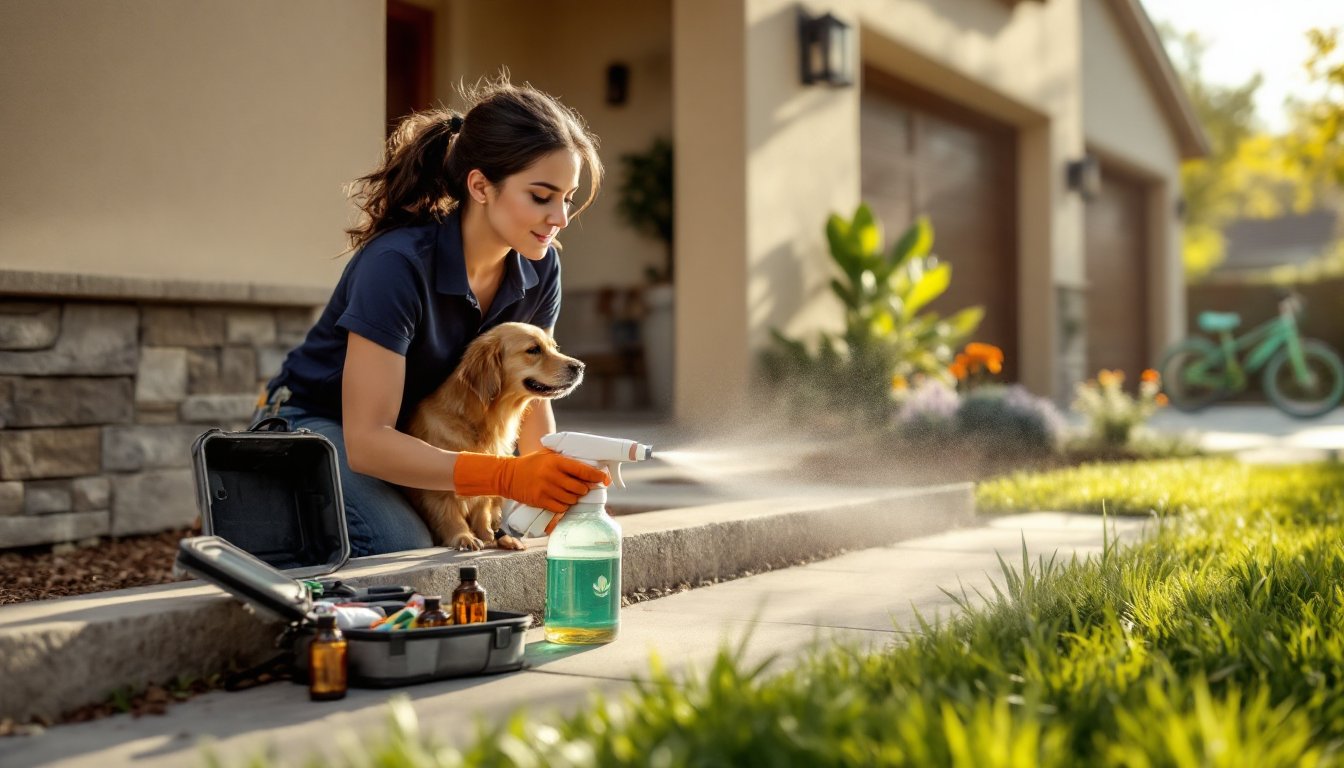

When pests invade your home, the knee-jerk reaction is to grab the nearest spray can and nuke everything in sight. But what if there’s a way to reclaim your space without turning your living room into a chemical zone? Natran Green Pest Control has built its reputation on plant-based formulations that promise effective pest management without synthetic pesticides. For homeowners who want to protect both their families and the environment, this approach sounds ideal, but does it actually work? This article breaks down what Natran offers, how their eco-friendly methods function in real-world conditions, and whether their service is worth the investment for your specific pest problems.
Table of Contents
ToggleKey Takeaways
- Natran Green Pest Control uses plant-based formulations with essential oils like peppermint, rosemary, and cedar oil instead of synthetic pesticides, making it safer for families, pets, and the environment.
- While highly effective for common household pests like ants, spiders, and roaches, Natran’s eco-friendly approach requires more frequent treatments (every 30–45 days) compared to conventional methods that last 60–90 days.
- Green pest control costs 10–20% more than traditional services ($75–$150 for initial treatment, $50–$100 monthly), but eliminates hidden expenses like contaminated bedding replacement and surface cleanup.
- Natran Green Pest Control emphasizes Integrated Pest Management by identifying entry points, moisture problems, and structural vulnerabilities alongside treatment, addressing root causes rather than symptoms alone.
- This plant-based pest control method is not suitable for severe infestations or specialized pests like termites, bedbugs, and fleas, which still require conventional treatments or fumigation.
- Pets and children are safe with Natran’s treatments when basic precautions are followed, including keeping them away from treated surfaces for 15–30 minutes during drying time and ensuring proper ventilation.
What Makes Natran Green Pest Control Different?
Natran Green Pest Control distinguishes itself from conventional pest management companies by refusing to use synthetic chemical pesticides. Instead, they rely on plant-derived active ingredients, primarily essential oils and botanical extracts, that disrupt pest behavior and physiology without leaving toxic residues.
Most traditional pest control services use pyrethroids, organophosphates, or neonicotinoids. These compounds are effective, but they come with baggage: potential health risks, environmental persistence, and bioaccumulation in soil and water. Natran’s formulations sidestep these issues by leveraging compounds like rosemary oil, peppermint oil, and cedar oil, which have documented insecticidal and repellent properties.
The company also emphasizes Integrated Pest Management (IPM) principles. That means they don’t just spray and leave. Technicians inspect for entry points, moisture problems, and conducive conditions, things like cracks in foundation walls, gaps around utility penetrations, or poor drainage near the home’s perimeter. They’ll recommend sealing those vulnerabilities, which is something you’d tackle yourself if you’re handy with caulk and expanding foam.
Another key difference: Natran’s treatments are designed to be safe for immediate re-entry. Conventional treatments often require occupants and pets to vacate for several hours. With plant-based formulas, the odor dissipates quickly and there’s no need to wash down countertops or worry about residue on floors where kids and pets play.
How Natran’s Eco-Friendly Approach Works
Natran’s treatments work through multiple mechanisms. Essential oils like peppermint and rosemary contain compounds (menthol, camphor, 1,8-cineole) that interfere with insect nervous systems and respiratory processes. For crawling insects like ants and roaches, contact with these oils can disrupt their exoskeletons and desiccate them. For flying pests, the strong scent acts as a repellent, making treated areas less attractive.
Cedar oil is a standout in their arsenal. It contains cedrol and thujone, which break down the waxy outer layer of insects, leading to dehydration. It’s particularly effective against soft-bodied pests like aphids, mites, and certain beetle larvae. But, it’s less effective on hard-shelled beetles or pests with thick cuticles.
The application process typically involves perimeter treatment, spraying a barrier around the home’s foundation, door thresholds, window frames, and other common entry points. Interior treatments target baseboards, under sinks, behind appliances, and other high-traffic pest zones. For crawl spaces or attics, technicians may use a fogging or misting application to reach hidden harborage areas.
One thing to understand: natural pest control methods often require more frequent applications than synthetic chemicals. A single pyrethroid spray might last 60–90 days, while plant-based treatments typically need reapplication every 30–45 days. That’s due to faster degradation in sunlight and moisture. Natran usually structures service plans around this reality, offering monthly or bi-monthly visits depending on pest pressure and season.
Key Benefits of Choosing Green Pest Control for Your Home
The primary advantage is reduced chemical exposure. If you’ve got young children crawling on floors, pets who lick everything, or family members with asthma or chemical sensitivities, eliminating synthetic pesticides is a legitimate health decision. Essential oils break down quickly and don’t accumulate in body tissues the way some conventional pesticides can.
Environmental impact is another win. Plant-based formulations don’t contribute to soil contamination or groundwater pollution. They’re also less harmful to beneficial insects like bees and ladybugs, critical if you’ve got a vegetable garden or pollinator-friendly landscaping. Traditional broad-spectrum insecticides don’t discriminate: they kill indiscriminately.
For homeowners tackling DIY projects or renovations, green pest control fits seamlessly into a broader eco-conscious approach. If you’re already choosing low-VOC paints, reclaimed wood, or energy-efficient windows, switching to a pest service that aligns with those values makes sense. It’s about consistency across your home improvement strategy.
Another benefit: no harsh odors. Anyone who’s smelled a conventional pest treatment knows that acrid, chemical stink that lingers for hours. Natran’s treatments smell like a spa, literally. Peppermint, rosemary, and cedar scents are pleasant and dissipate within minutes.
That said, you should manage expectations. Green pest control is highly effective for prevention and low-to-moderate infestations. If you’re dealing with a severe roach colony in wall voids or a termite infestation, you may need conventional treatments or even fumigation. Natran is upfront about this, they’re not a magic bullet for every scenario, and honesty is worth something in this industry.
What Pests Does Natran Green Pest Control Target?
Natran’s service is most effective against common household pests: ants, spiders, roaches, silverfish, earwigs, and occasional invaders like boxelder bugs or stink bugs. These pests respond well to botanical repellents and contact treatments.
Ants are a primary target. Whether it’s odorous house ants trailing across your kitchen counter or carpenter ants nesting in damp wood, Natran’s barrier treatments disrupt scent trails and deter colony expansion. Combining their service with organic pest control practices in your garden can create a comprehensive defense.
Spiders are repelled by peppermint and eucalyptus oils. While green treatments won’t kill every spider on contact, they make your home less hospitable. You’ll still need to knock down webs and vacuum up egg sacs as part of routine maintenance.
Roaches, particularly German roaches and American roaches, are trickier. Plant-based treatments work on light infestations, especially when combined with sanitation improvements (sealing food, fixing leaks, removing clutter). Heavy infestations often require more aggressive intervention.
Natran also offers rodent control, though this leans more on exclusion and trapping than chemical solutions. Technicians identify entry points (gaps around pipes, vents, or foundation cracks) and recommend sealing them with hardware cloth, steel wool, or mortar. Snap traps or live traps are placed in strategic locations. If you’re comfortable with basic carpentry and a caulk gun, you can handle much of this yourself.
What Natran doesn’t handle well: termites, bedbugs, and fleas. These pests require specialized treatments that botanical formulas can’t reliably deliver. For termites, you’re looking at liquid termiticides, bait stations, or fumigation. Bedbugs need heat treatment or targeted insecticides. Fleas require a multi-step approach that includes treating pets, washing bedding, and often using insect growth regulators.
Is Natran Green Pest Control Safe for Pets and Children?
Short answer: yes, with reasonable precautions. Essential oils used in pest control are generally recognized as safe (GRAS) by the EPA for use around humans and pets when applied according to label directions. But, “natural” doesn’t mean “zero risk.”
For dogs, the essential oils in Natran’s formulas are typically safe once dried. Dogs may be sensitive to strong scents during application, so it’s wise to keep them out of treated rooms until surfaces dry, usually 15–30 minutes.
Cats require more caution. Cats lack certain liver enzymes (glucuronyl transferase) that metabolize some essential oils, particularly phenols found in tea tree oil and certain pine oils. Natran’s formulas avoid the most problematic compounds, but it’s still smart to keep cats away from wet-treated surfaces and ensure good ventilation.
Birds and fish are more sensitive. If you have an aquarium, cover it during treatment and turn off air pumps. Bird cages should be moved to untreated rooms. Once the treatment dries and ventilation is adequate, risks drop significantly.
For young children, the main concern is ingestion or prolonged skin contact with undiluted product. Technicians are trained to apply treatments in areas kids don’t frequently access, behind appliances, along baseboards, exterior perimeters. High-touch surfaces like countertops aren’t typically treated, but if they are, wipe them down with a damp cloth before food prep.
Safety gear for the homeowner: If you’re present during application, you don’t need much. The scent can be strong, so crack a window. If you’ve got respiratory sensitivities, step outside for 20 minutes. Technicians wear gloves and sometimes respirators depending on the concentration and application method, but that’s more about occupational exposure over hundreds of treatments.
Bottom line: Natran’s approach is leagues safer than conventional pesticides, but it’s not a free pass to ignore basic precautions. Follow the technician’s instructions, keep pets and kids clear during application, and you’re good.
Cost Considerations and Service Options
Expect to pay $75–$150 for an initial service and $50–$100 per month for recurring treatments, depending on your home’s size, pest pressure, and location. That’s typically 10–20% higher than conventional pest control, reflecting the cost of botanical active ingredients and more frequent service intervals.
Natran offers several service tiers. Basic plans cover exterior perimeter treatments and common interior areas. Premium plans include attic and crawl space treatments, exclusion services (sealing entry points), and more frequent visits during peak pest seasons (spring and summer).
Many homeowners find the most value in quarterly service packages bundled with annual inspections. This approach balances cost with consistent pest pressure, especially in regions with mild winters where pests remain active year-round. For businesses requiring pest management, commercial pest control options may offer tailored solutions.
If you’re on a tight budget, you can reduce costs by handling some of the exclusion work yourself. Sealing foundation cracks with polyurethane caulk, installing door sweeps, and repairing window screens are straightforward DIY tasks that reduce pest entry points. The less conducive your home is to pests, the less often you’ll need treatments.
Geographic availability is limited. Natran operates in select markets, primarily in the southern and western U.S. If they’re not in your area, look for local companies offering similar plant-based IPM services. Many independent operators have emerged as demand for green pest control grows.
One cost consideration often overlooked: long-term savings on health and cleanup. Conventional pesticides can require replacing contaminated bedding, washing down every surface, and sometimes repainting or replacing materials if treatments go wrong. Green treatments eliminate those hidden costs.
Conclusion
Natran Green Pest Control delivers on its promise of effective, eco-friendly pest management for common household invaders. It’s not a cure-all, severe infestations or specialized pests like termites and bedbugs still require conventional methods. But for homeowners prioritizing health, environmental impact, and safety around kids and pets, Natran offers a credible alternative that actually works. Pair their service with solid exclusion work and sanitation habits, and you’ve got a sustainable, low-toxicity defense against the pests that want to share your space.