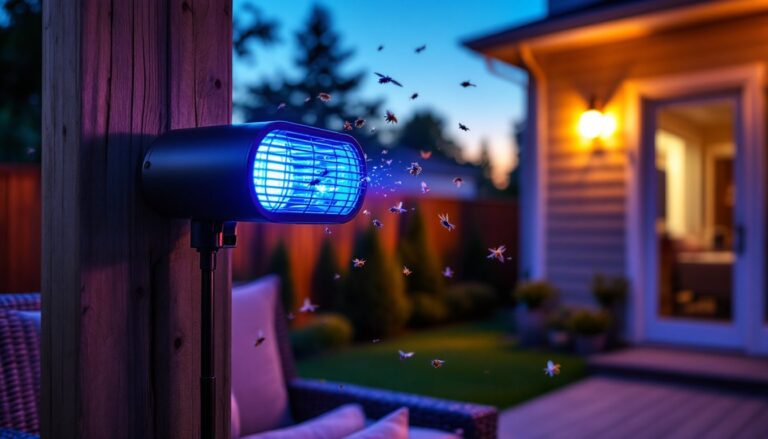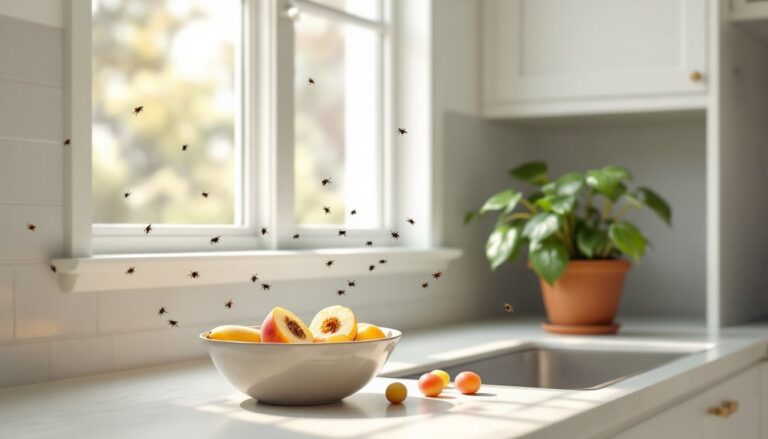

Corona, California homeowners face unique pest challenges thanks to the region’s warm, dry climate and proximity to both urban sprawl and natural desert landscapes. Whether it’s ants marching across kitchen counters, spiders claiming corners, or rodents finding shelter in wall voids, pest pressure here doesn’t take a season off. Effective pest control isn’t just about spraying chemicals when you spot a bug, it’s about understanding what draws pests to your property, implementing preventative measures during construction or renovation, and knowing when a problem has outgrown the DIY toolkit. This guide walks through Corona-specific pest issues, practical prevention strategies homeowners can tackle themselves, and when it’s time to bring in licensed professionals.
Table of Contents
ToggleKey Takeaways
- Corona pest control requires understanding the region’s unique warm, dry climate and year-round pest activity driven by temperature swings and water scarcity.
- Seal entry points with copper mesh and hardware cloth, manage moisture immediately, eliminate food sources, and trim landscaping away from your home’s foundation to prevent most common pests.
- Argentine ants, roof rats, German cockroaches, and subterranean termites are Corona’s most problematic household pests, each requiring different prevention and treatment strategies.
- Call a licensed professional immediately for termites, bed bugs, established rodent infestations, and stinging insects—DIY methods are ineffective for these serious pest control situations.
- Look for pest control companies with Branch 2 or Branch 3 California licensing, an Integrated Pest Management approach, written treatment plans, and warranties to ensure quality service.
- Eco-friendly alternatives like diatomaceous earth, boric acid, and exclusion work provide effective pest control without harsh chemicals, while seasonal maintenance checklists keep infestations from taking hold.
Understanding Pest Control Needs in Corona’s Unique Climate
Corona sits in inland Southern California, where hot, dry summers and mild winters create year-round pest activity. Unlike coastal areas where marine layers moderate temperatures, Corona’s climate allows insects and rodents to thrive without the natural population checks of hard freezes or extended wet seasons.
Temperature swings between day and night drive pests indoors seeking stable environments. During triple-digit summer days, pests migrate toward air-conditioned homes. In winter, even mild drops to the 40s at night send rodents and spiders searching for warmth inside wall cavities, attics, and crawlspaces.
Water scarcity is another factor. Ornamental landscaping, irrigation systems, and even minor plumbing leaks become pest magnets. A dripping hose bib or pooling water under an AC condenser unit can sustain entire colonies.
Most Common Household Pests in Corona
Argentine ants top the list. These small, light-brown ants form supercolonies with multiple queens, making them nearly impossible to eliminate with store-bought baits alone. They’ll exploit the tiniest gap in door sweeps, expansion joints, or utility penetrations.
German cockroaches thrive in kitchens and bathrooms, breeding rapidly in the warm, humid microclimates around dishwashers, water heaters, and under sinks. A single egg capsule holds up to 40 nymphs.
Black widow spiders and brown widows are common in garages, sheds, and outdoor storage areas. Both species prefer undisturbed spaces, woodpiles, rolled-up hoses, and boxes stacked against walls.
Roof rats and Norway rats exploit attic vents, eave gaps, and utility conduit entries. Roof rats are excellent climbers and often access homes via overhanging tree branches or utility lines. Norway rats burrow and prefer ground-level entry points near foundation cracks or crawlspace vents.
Subterranean termites are a serious structural concern. Corona’s soil conditions and wooden construction materials create ideal habitat. These pests can cause thousands of dollars in hidden damage before homeowners notice sagging floors or hollow-sounding baseboards.
DIY Pest Prevention Tips for Corona Homeowners
Prevention starts with eliminating the three things pests need: food, water, and shelter. Address these during any renovation or maintenance work, and you’ll cut pest pressure significantly.
Seal entry points. Use copper mesh or stainless steel wool to stuff gaps around plumbing penetrations, vent pipes, and electrical conduit entries, rats can chew through spray foam and caulk alone. Follow with polyurethane or silicone caulk rated for exterior use. Check door sweeps and weatherstripping annually: replace any that’s compressed or cracked. Install 1/4-inch hardware cloth over attic vents, crawlspace vents, and chimney caps.
Manage moisture. Fix leaky faucets, hose bibs, and irrigation lines immediately. Standing water in drip pans under refrigerators or HVAC units should be emptied weekly. In bathrooms, ensure exhaust fans vent to the exterior (not just into the attic) and run them during and 15 minutes after showers to reduce humidity that attracts roaches and silverfish.
Eliminate food sources. Store dry goods (flour, cereal, pet food) in hard plastic or glass containers with tight-fitting lids, not the original packaging. Wipe down counters and sweep floors nightly, especially around toasters and under appliances where crumbs accumulate. Take trash out regularly and use bins with locking lids.
Landscape strategically. Keep mulch, woodpiles, and firewood at least 18 inches away from the foundation. Trim tree branches so they don’t touch the roofline, roof rats use them as highways. Replace decorative rock or bark mulch near the house with gravel or decomposed granite, which doesn’t retain moisture or harbor insects.
Inspect regularly. Walk your property quarterly, checking for new cracks in the foundation, gaps around windows, or damaged screens. Look for mud tubes on foundation walls (a telltale sign of termites) and rodent droppings in attics or garages. Early detection saves money and prevents infestations from becoming structural problems.
When to Call a Professional Pest Control Service
Some pest problems exceed DIY capabilities, either because of the species involved, the scale of the infestation, or the treatment methods required.
Call a pro immediately for:
- Termites. Treatment requires soil trenching, fumigation (tenting), or bait station networks that demand licensed applicators and specialized equipment. Termite damage is structural: misdiagnosis or incomplete treatment can cost tens of thousands in repairs.
- Bed bugs. These require heat treatment (raising room temps to 120°F+) or targeted insecticide applications in cracks, seams, and electrical outlets. Over-the-counter sprays often scatter populations, making eradication harder.
- Rodent infestations in walls or attics. If you hear scratching at night or find droppings throughout the home, the population is likely established. Pros use snap traps, bait stations, and exclusion work to eliminate current rodents and prevent re-entry. They’ll also identify and sanitize contaminated insulation.
- Stinging insects (wasps, hornets, yellow jackets). Nests in eaves, attics, or underground require protective gear and specialized sprays. Disturbing a nest without proper equipment can result in dozens of stings.
- Recurring infestations. If you’ve tried DIY baits, traps, and sealing for more than 30 days without improvement, the issue likely involves hidden nests, conducive conditions you haven’t identified, or pesticide-resistant populations.
What to Look for in a Corona Pest Control Company
Licensing and certification. In California, pest control operators must hold a Branch 2 (pest control) or Branch 3 (termite control) license issued by the Structural Pest Control Board. Ask to see the technician’s license and the company’s bonding/insurance proof.
Integrated Pest Management (IPM) approach. Quality companies don’t just spray on a schedule. They inspect, identify the pest species, locate nests or entry points, and use a combination of exclusion, sanitation recommendations, and targeted treatments, not blanket chemical applications.
Written estimates and treatment plans. A reputable company provides a detailed proposal outlining the pest species, treatment methods, product names (with EPA registration numbers), application sites, and a follow-up schedule. Avoid companies that quote over the phone without an inspection.
Local knowledge. Firms familiar with Corona’s pest challenges understand seasonal patterns, common construction types (stucco, wood-frame), and soil conditions affecting termites and ants.
Warranty or service guarantees. Many companies offer quarterly or monthly service plans with re-treatment guarantees if pests return between visits.
Eco-Friendly Pest Control Solutions for Your Home
Homeowners increasingly want effective pest control without introducing harsh chemicals indoors, especially in homes with children, pets, or residents with respiratory sensitivities.
Boric acid is a low-toxicity mineral-based powder effective against ants, roaches, and silverfish. Apply it as a light dust in wall voids, under appliances, and in attic spaces, never in areas accessible to kids or pets. It works by damaging pest exoskeletons and disrupting digestion.
Diatomaceous earth (DE) is another mechanical insecticide made from fossilized algae. Use food-grade DE, not pool-grade, which contains crystalline silica harmful to lungs. DE kills crawling insects by abrading their waxy coating, causing dehydration. Apply around baseboards, entry points, and in crawlspaces. Wear a dust mask (N95 or better) during application to avoid inhaling fine particles.
Essential oil-based repellents (peppermint, eucalyptus, tea tree) can deter ants and spiders when applied to entry points, but they require frequent reapplication and won’t eliminate established populations. They’re best used as a supplemental deterrent, not a primary control method.
Botanical insecticides like pyrethrins (derived from chrysanthemum flowers) break down quickly in sunlight and have low mammalian toxicity, making them safer for indoor use. They’re effective against flying insects and spiders but require direct contact.
Heat treatment for bed bugs and termites is chemical-free. Pros use specialized heating equipment to raise indoor temperatures to 120-140°F for several hours, killing all life stages. It’s more expensive upfront but eliminates chemical residues.
Exclusion and sanitation remain the most eco-friendly strategies. Sealing a 1/2-inch gap under a door with a new aluminum and rubber door sweep (about $15-25 at hardware stores) prevents hundreds of pests from entering without any pesticide use. For project planning resources and contractor matching for larger exclusion jobs, HomeAdvisor offers cost estimators that can help budget sealing work.
Seasonal Pest Control Maintenance Checklist
Corona’s mild climate means pests don’t truly hibernate, but activity levels shift with the seasons. Tailor your maintenance tasks accordingly.
Spring (March-May):
- Inspect and repair window screens: replace any with tears larger than 1/8 inch.
- Check irrigation systems for leaks: adjust spray heads away from the foundation.
- Trim vegetation that’s grown to touch siding or the roofline over winter.
- Inspect attics for rodent droppings or nesting material after winter rains may have driven them indoors.
Summer (June-August):
- Monitor for ant trails during peak activity: bait early before colonies grow.
- Seal cracks in exterior stucco or concrete that expand in heat.
- Clean gutters to prevent standing water that attracts mosquitoes.
- Store firewood off the ground on a raised rack and cover it to deter bark beetles and termites.
Fall (September-November):
- Inspect weatherstripping and door sweeps as temperatures begin to drop at night.
- Clear leaf litter and debris from around the foundation, decaying organic matter attracts roaches and earwigs.
- Check crawlspace vents for damage: rodents begin seeking shelter as nights cool.
- Schedule a professional termite inspection if you haven’t had one in the past 12 months.
Winter (December-February):
- Inspect attic insulation for rodent tunnels or droppings.
- Seal any new gaps around utility lines or vent pipes discovered during holiday decorating.
- Monitor indoor humidity in bathrooms and kitchens: use dehumidifiers if levels exceed 50%.
- Check stored holiday decorations for spider webs or rodent nests before bringing boxes indoors.
For renovation cost guides and project planning that incorporates pest-prevention measures during remodeling, ImproveNet provides detailed budgeting tools. Staying ahead of seasonal pest pressure with routine maintenance is far cheaper than emergency treatments. Most DIY tasks take under 30 minutes per quarter and can prevent infestations that cost hundreds or thousands to remediate.